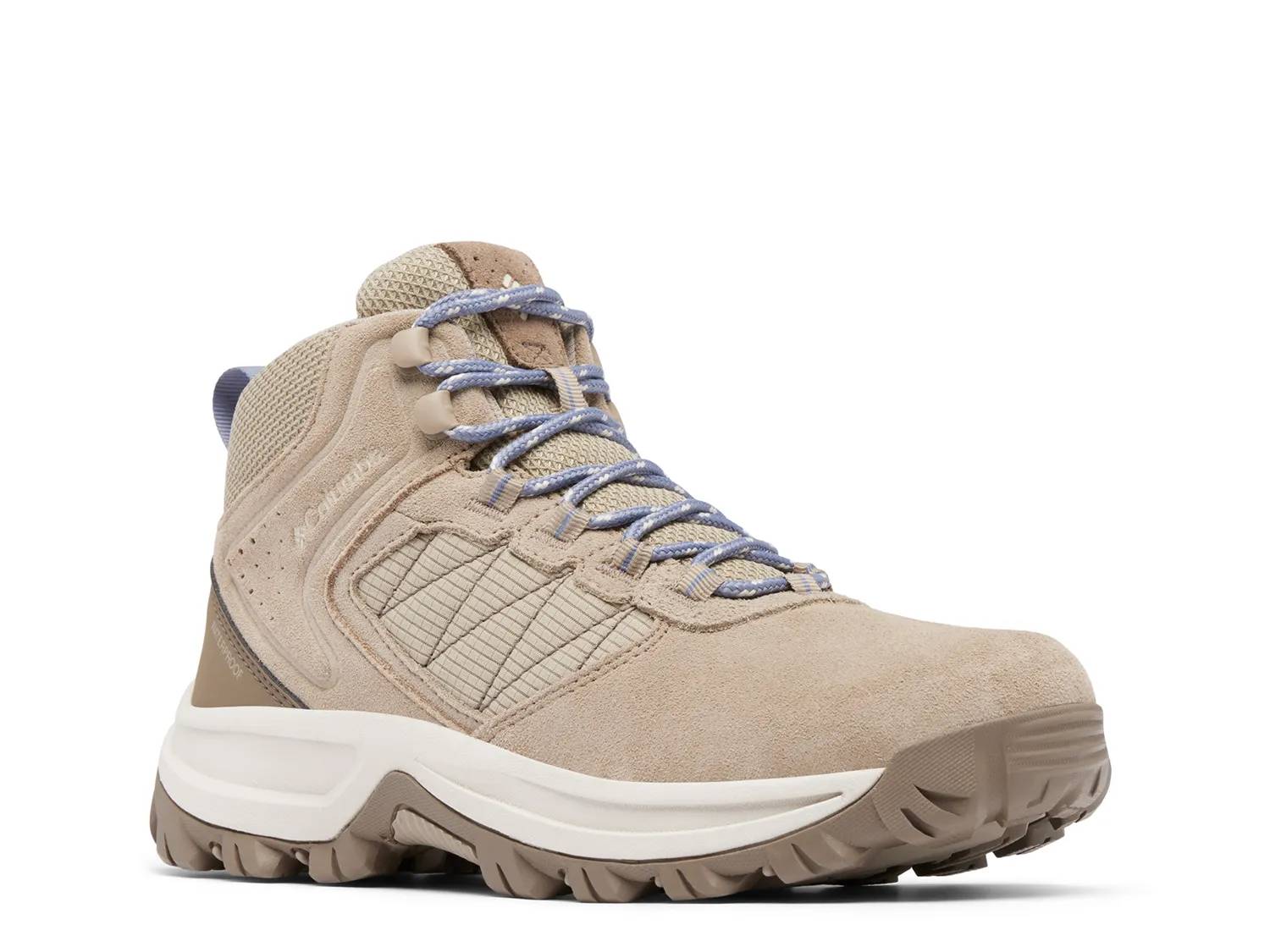
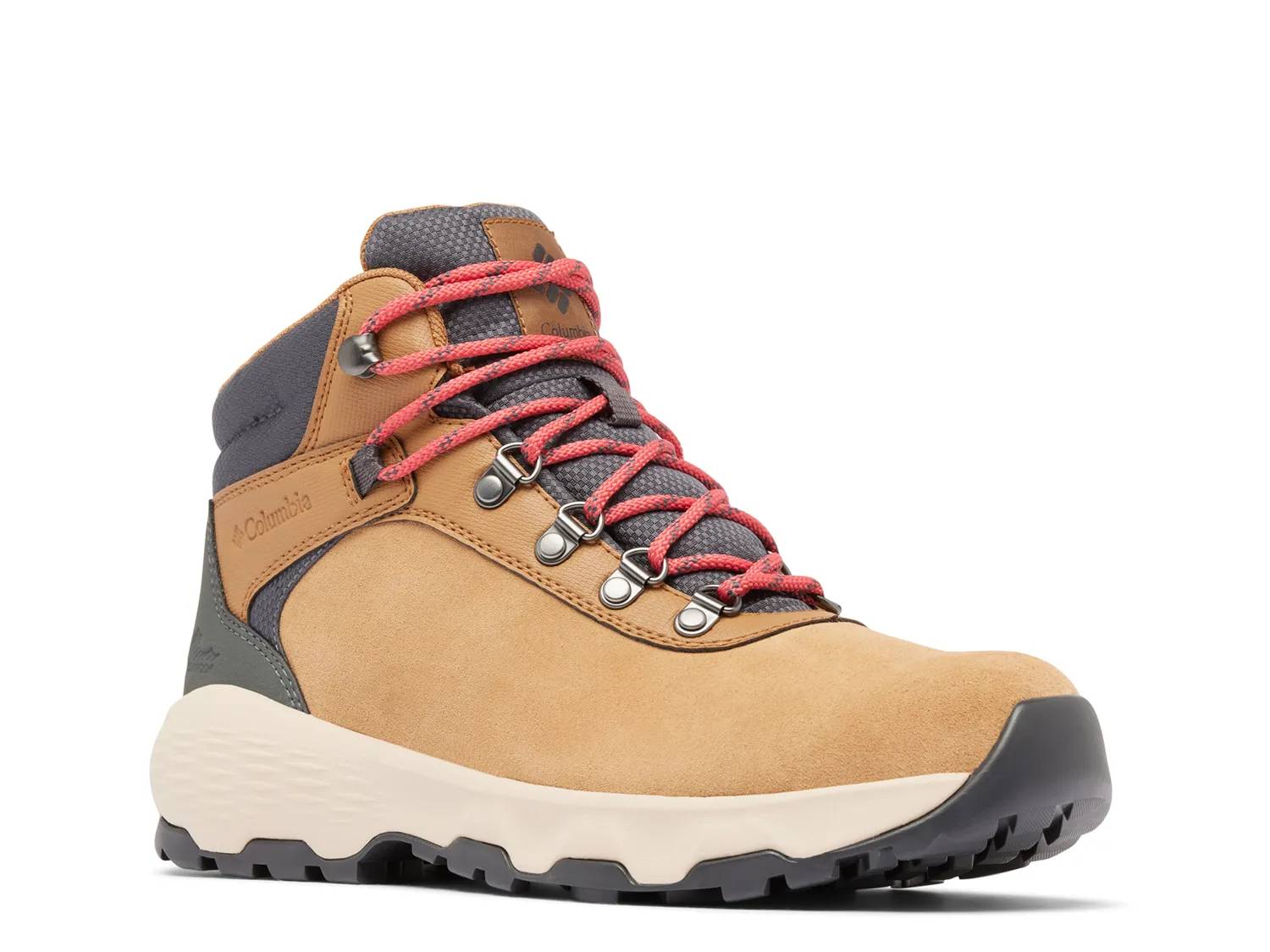
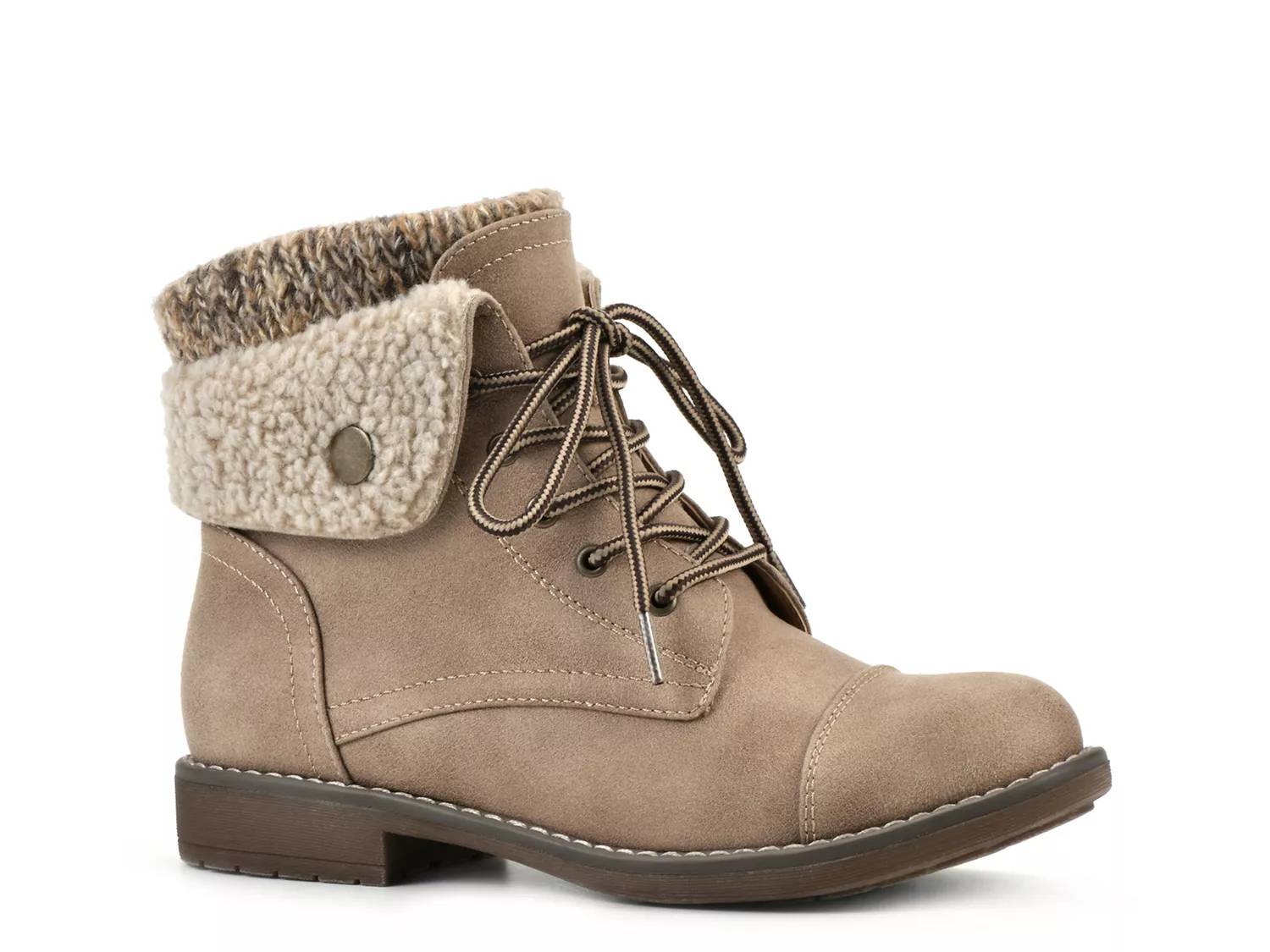
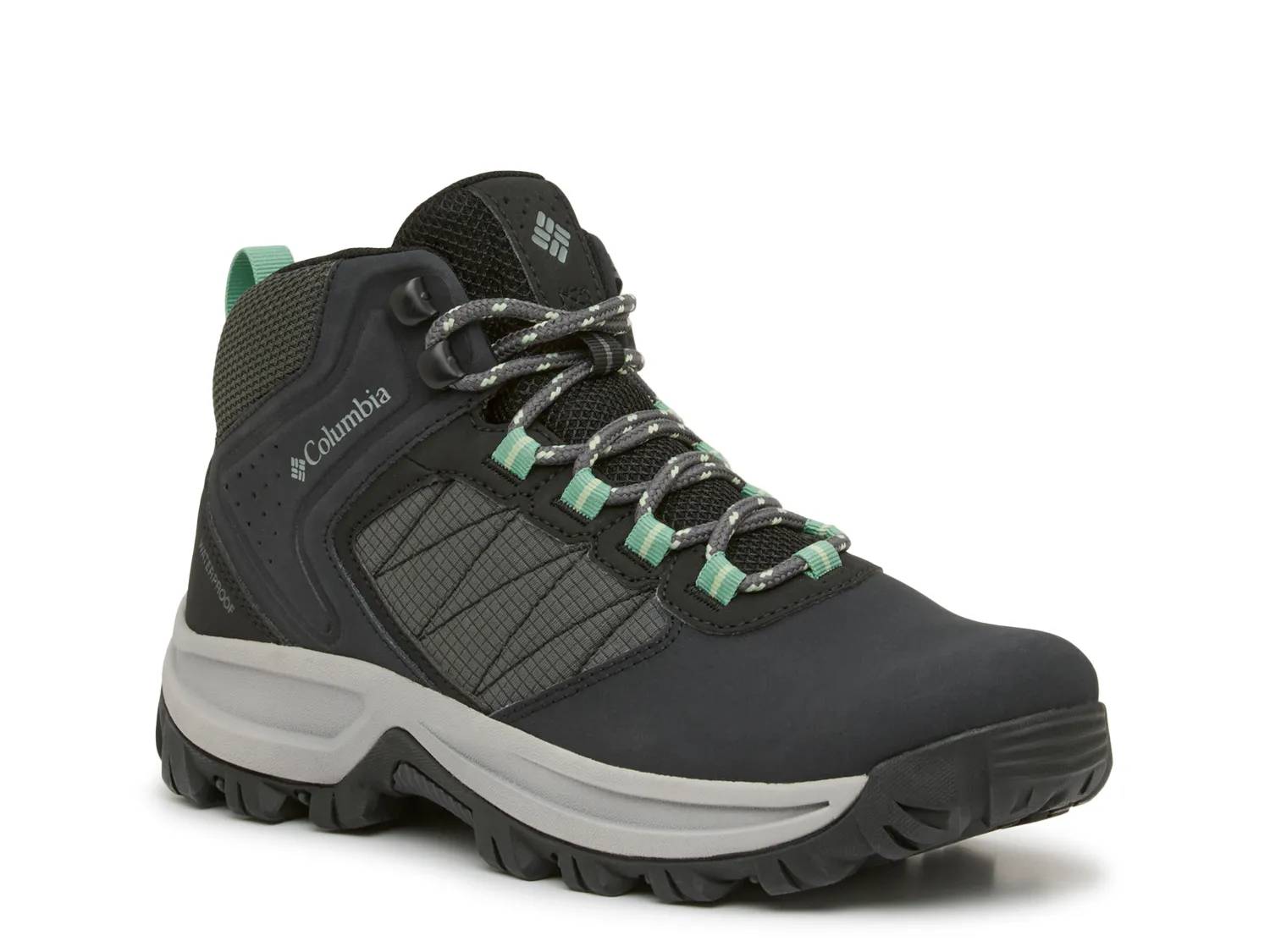
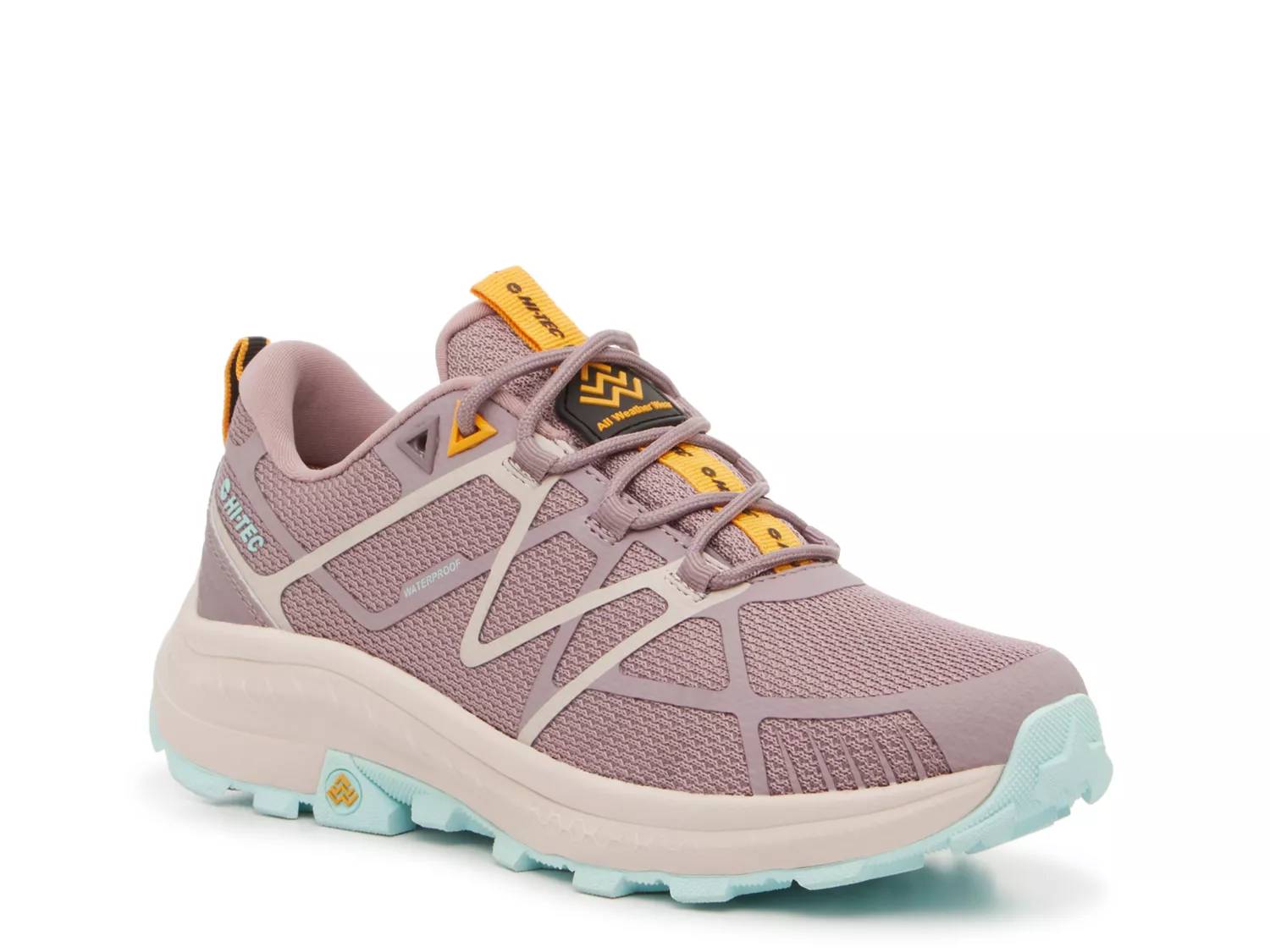
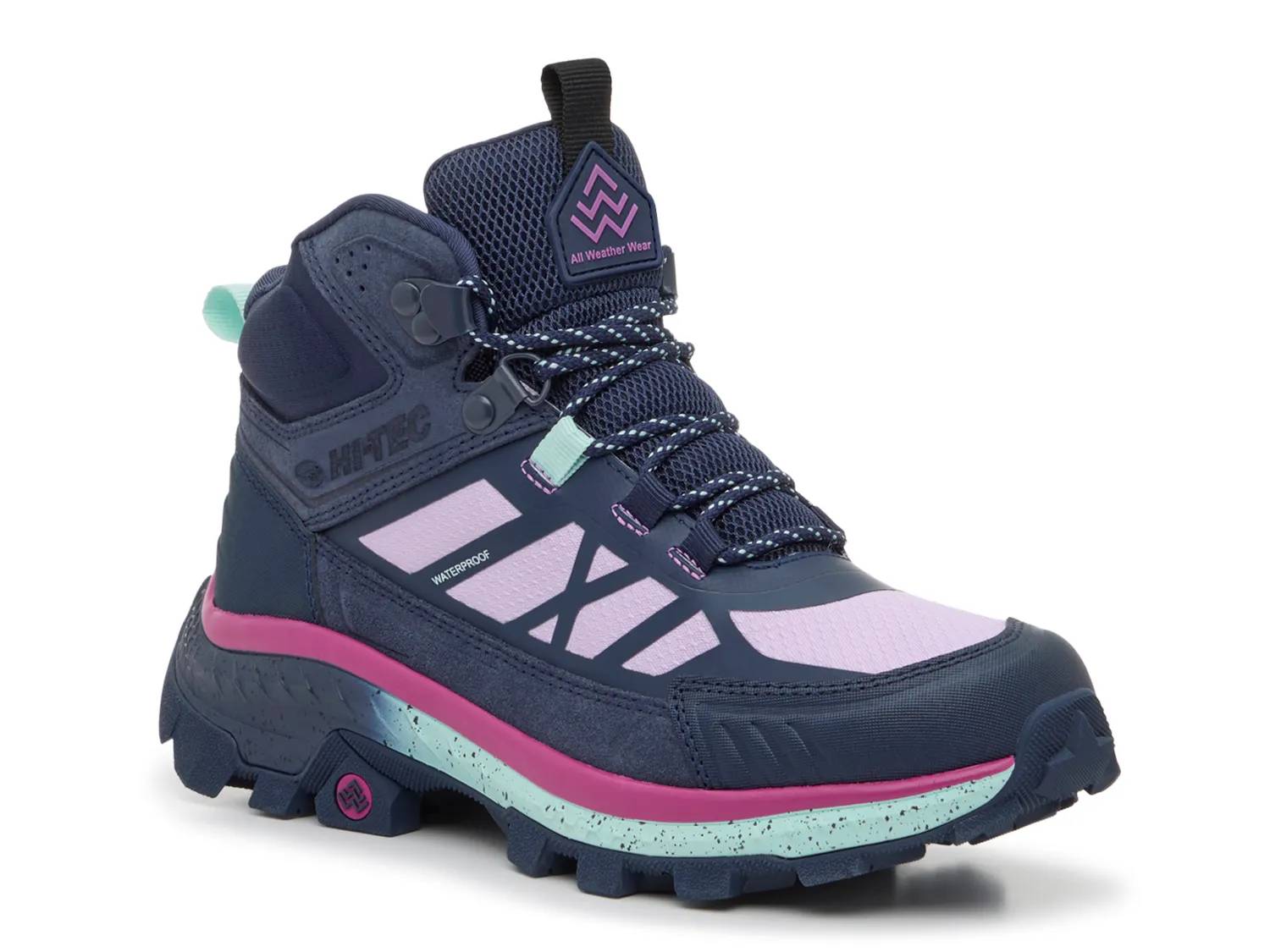
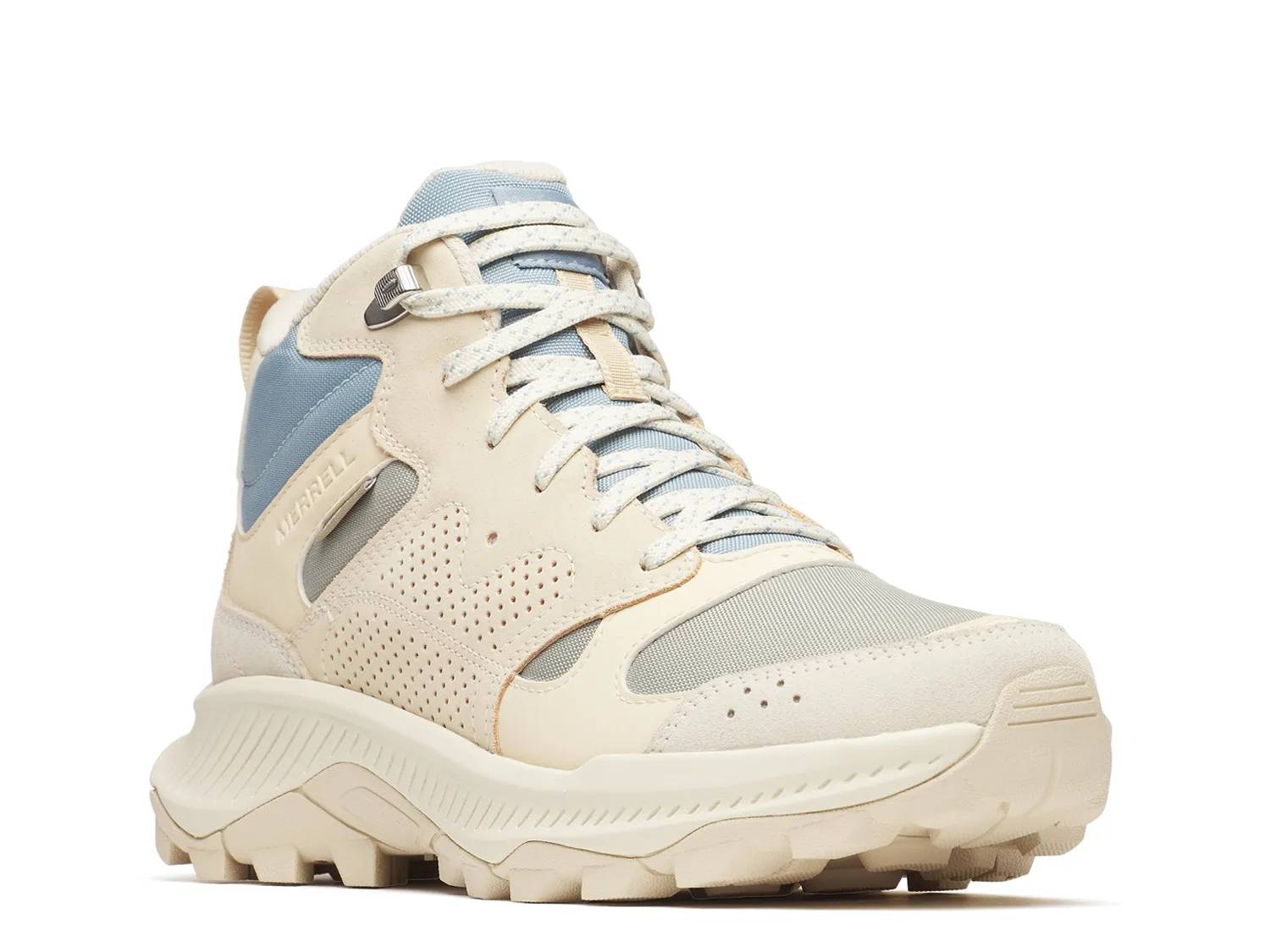
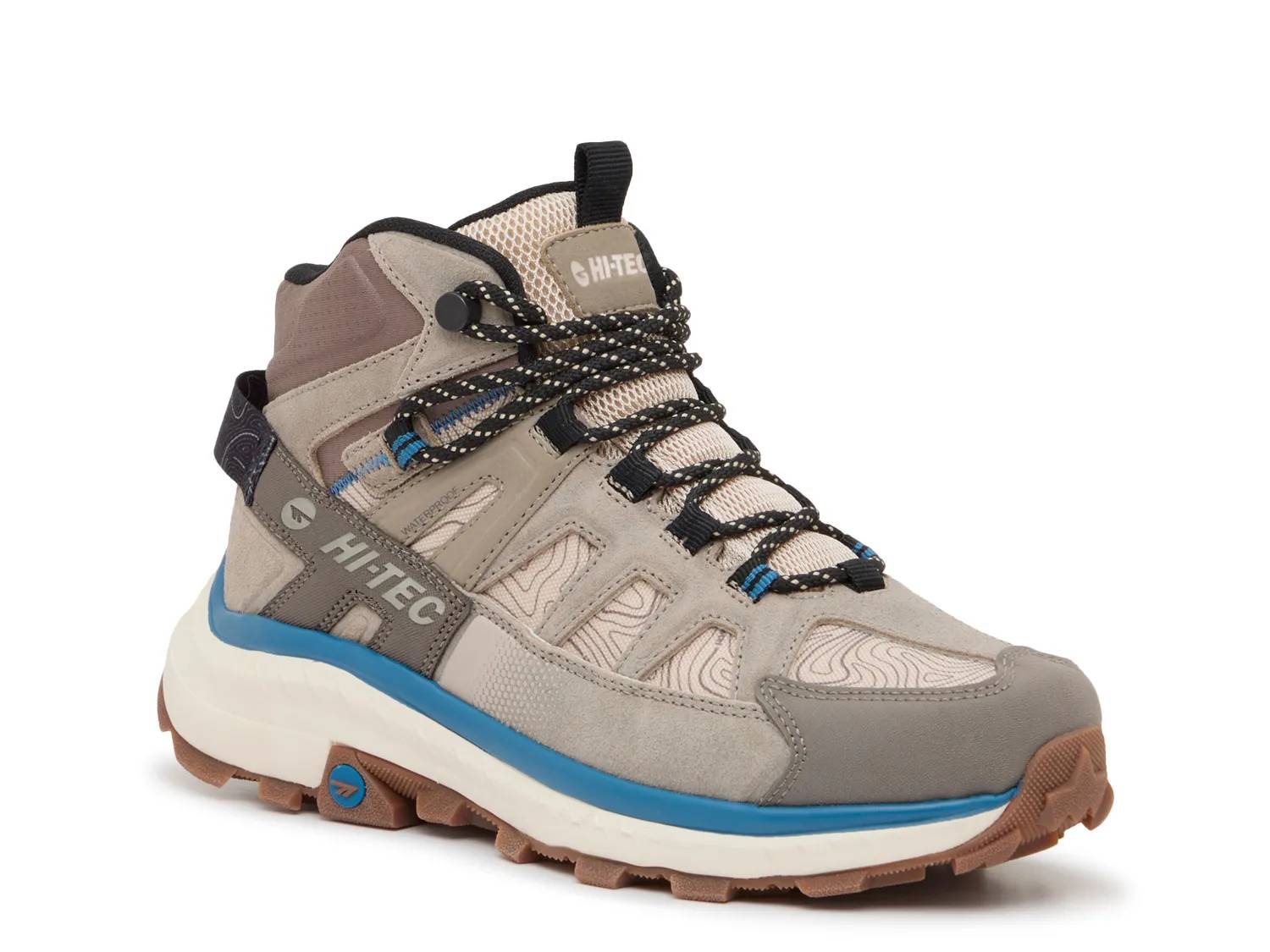
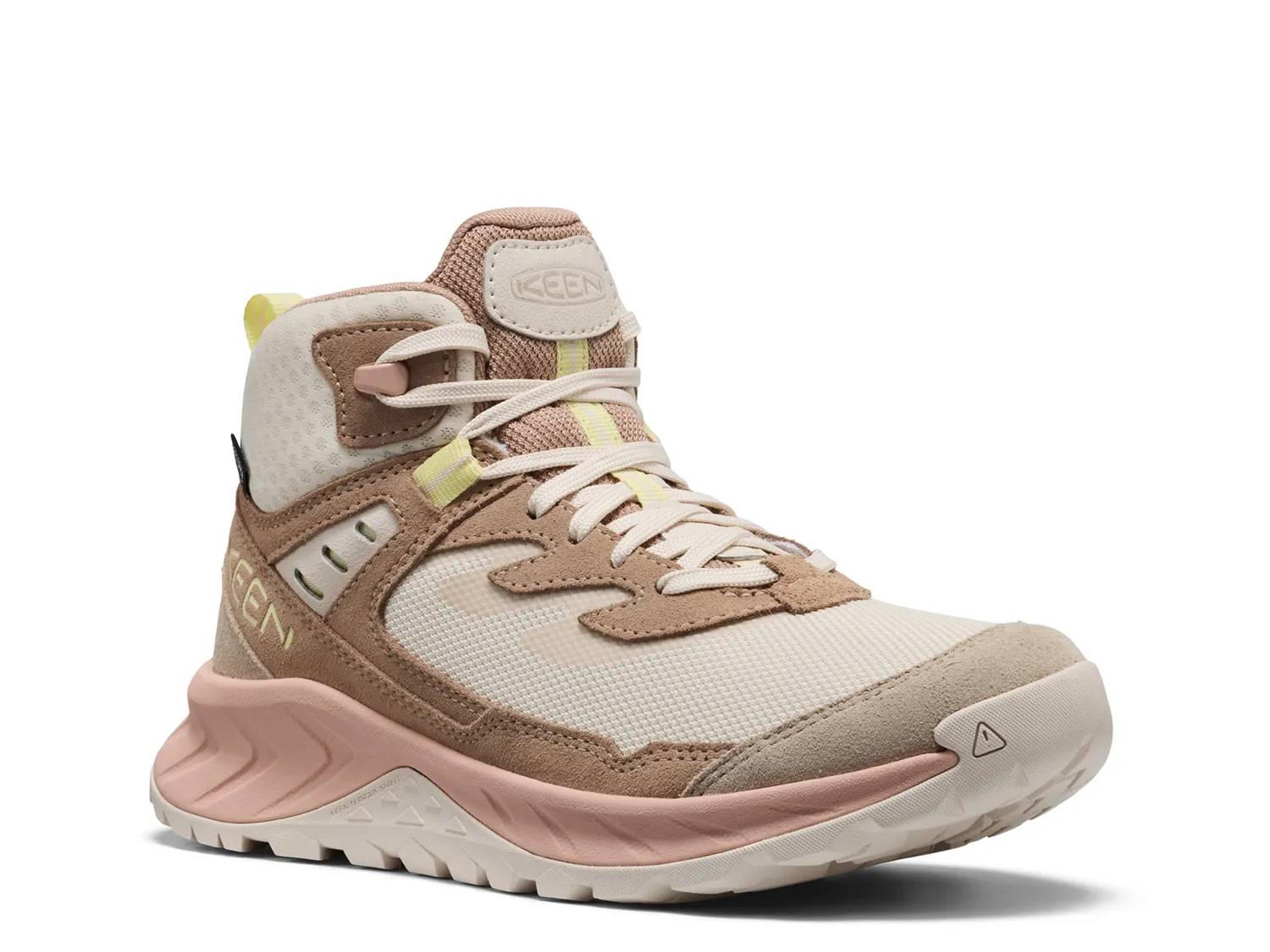
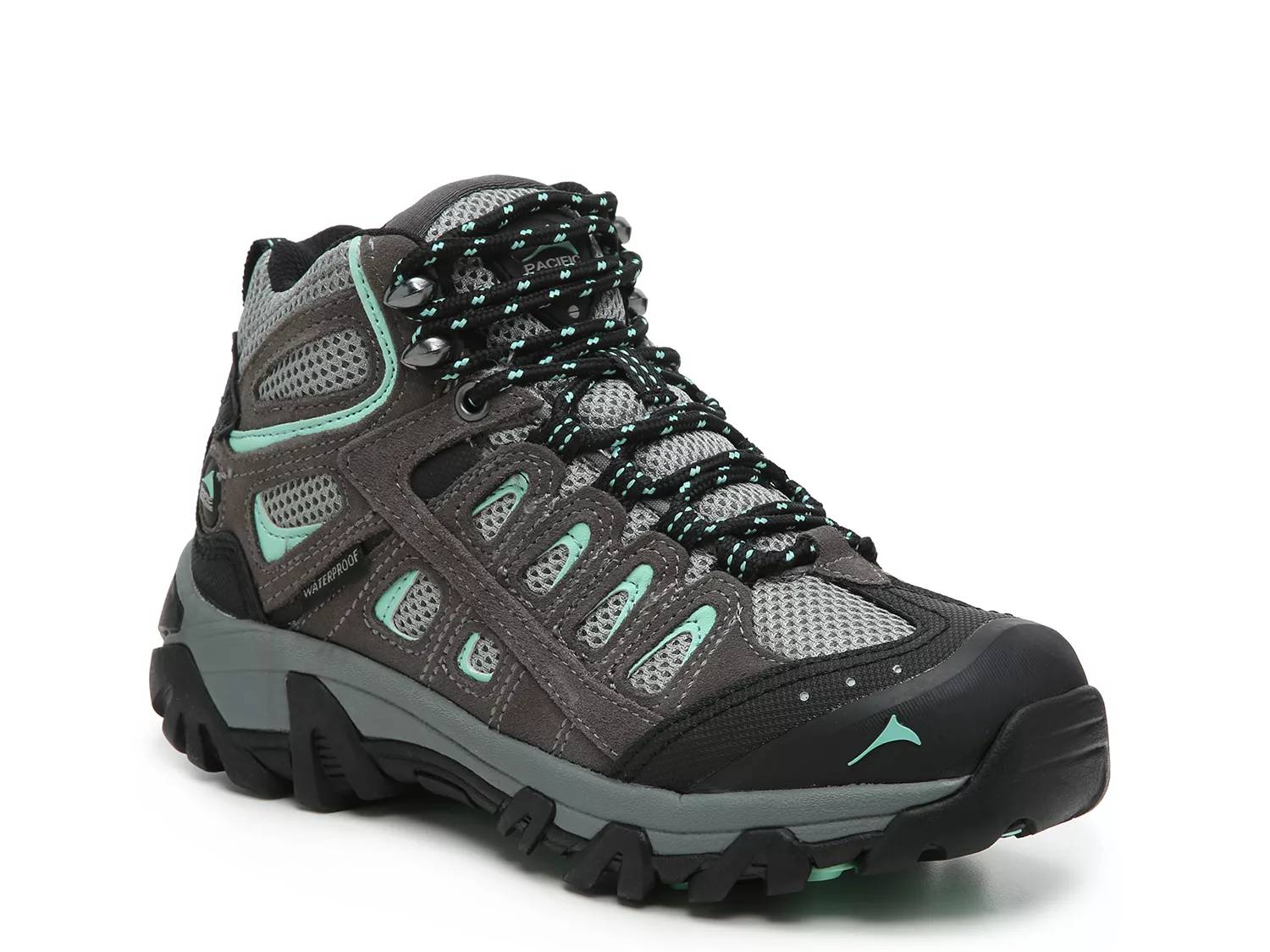
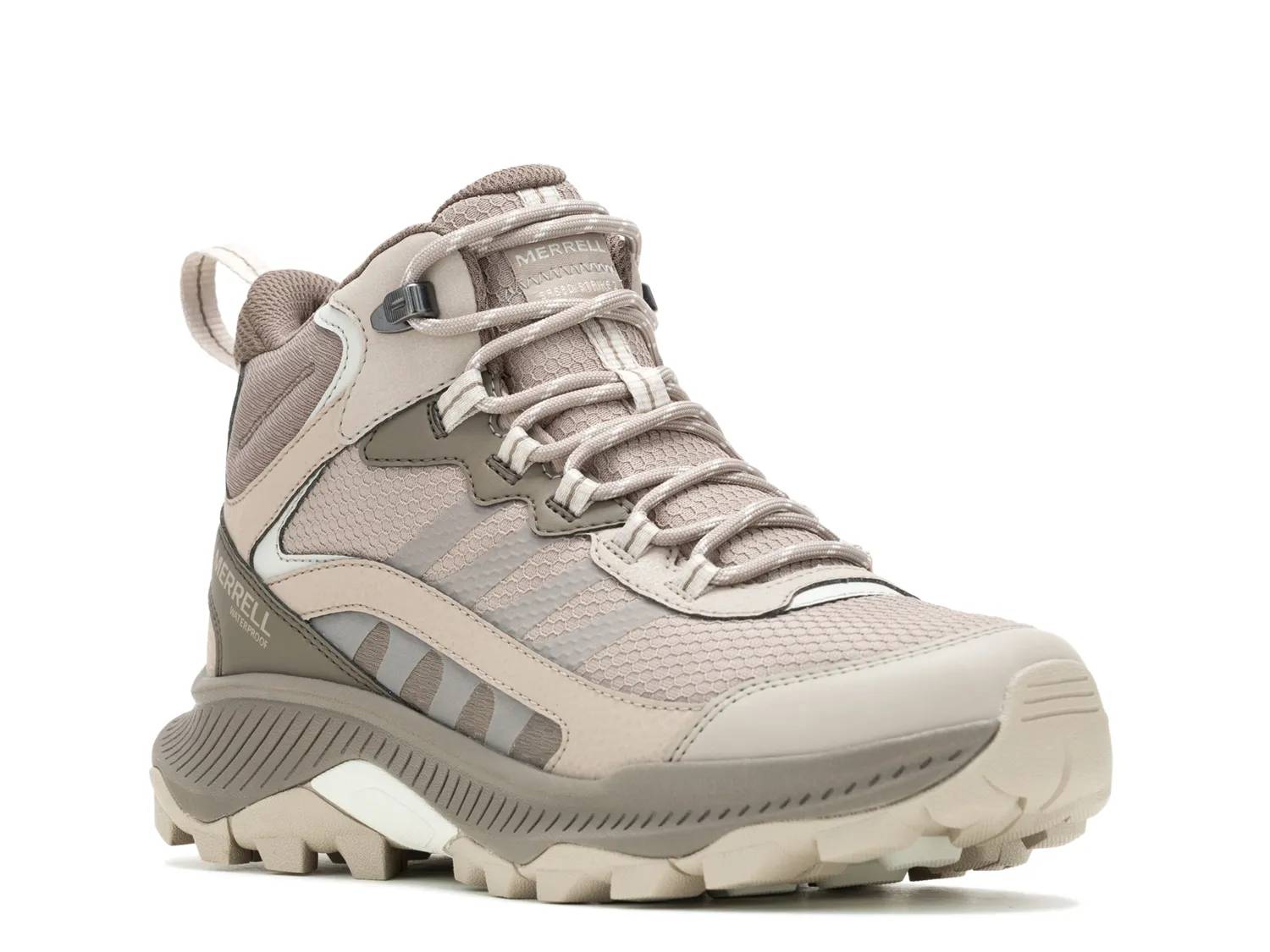
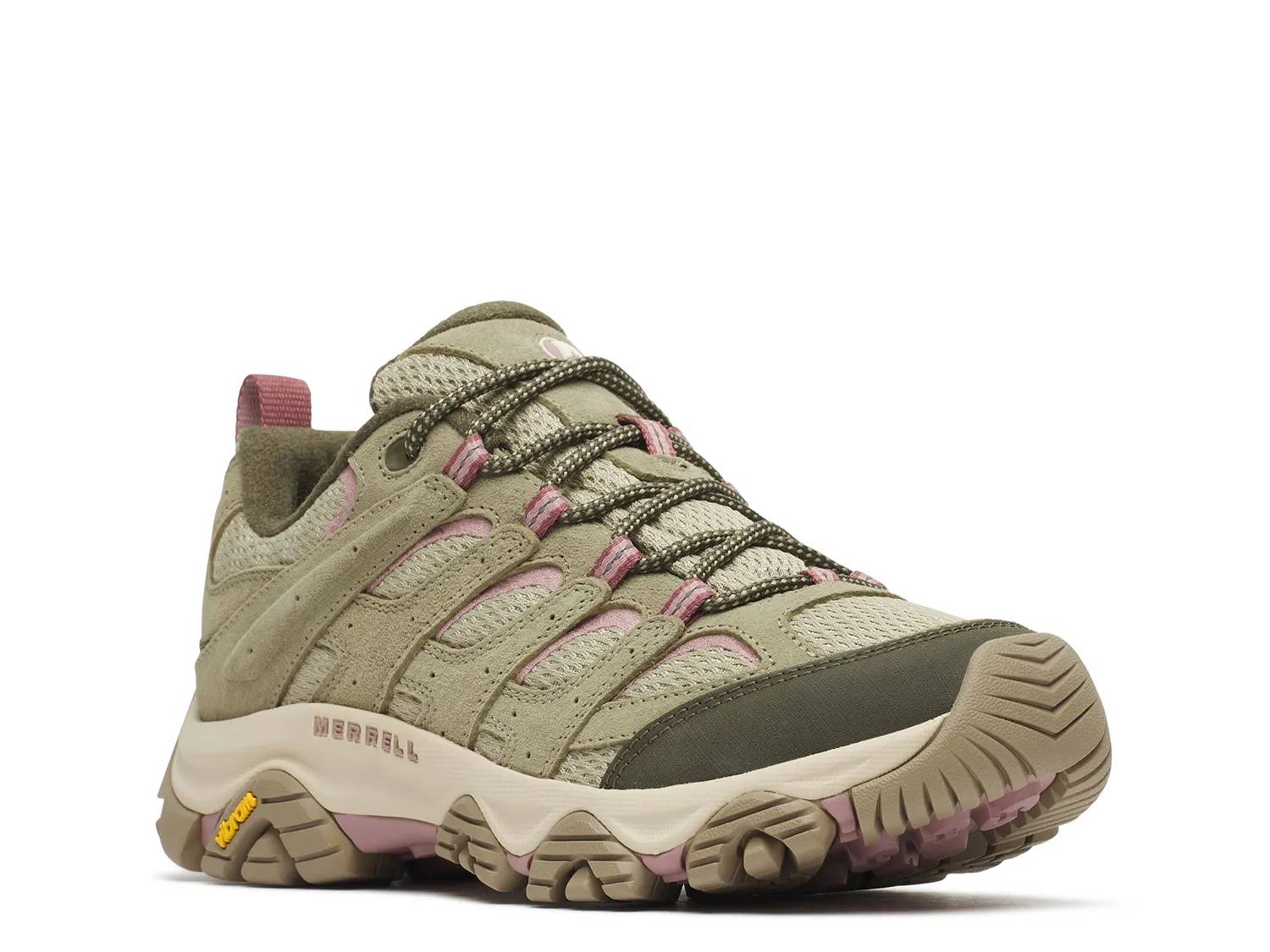
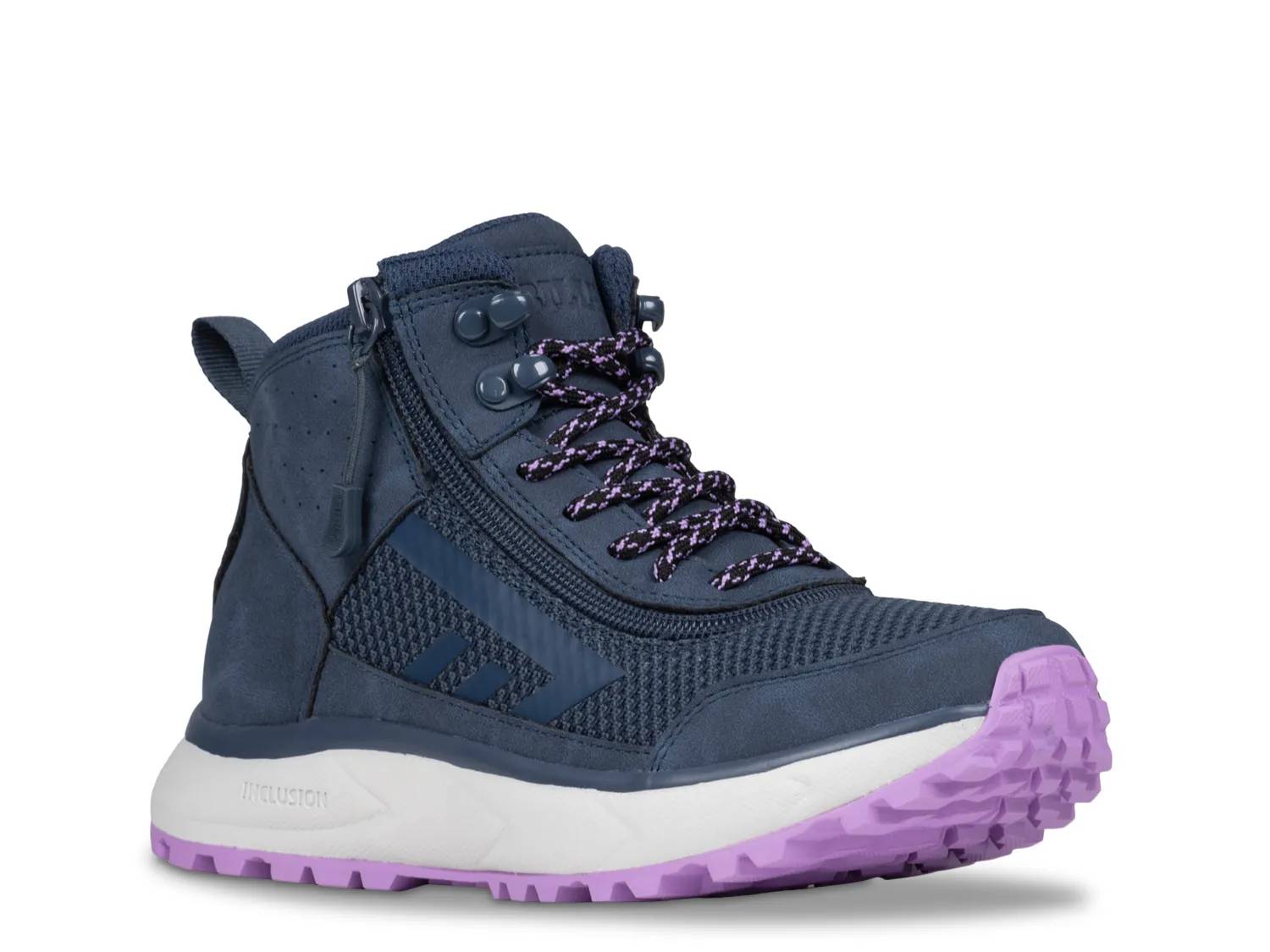
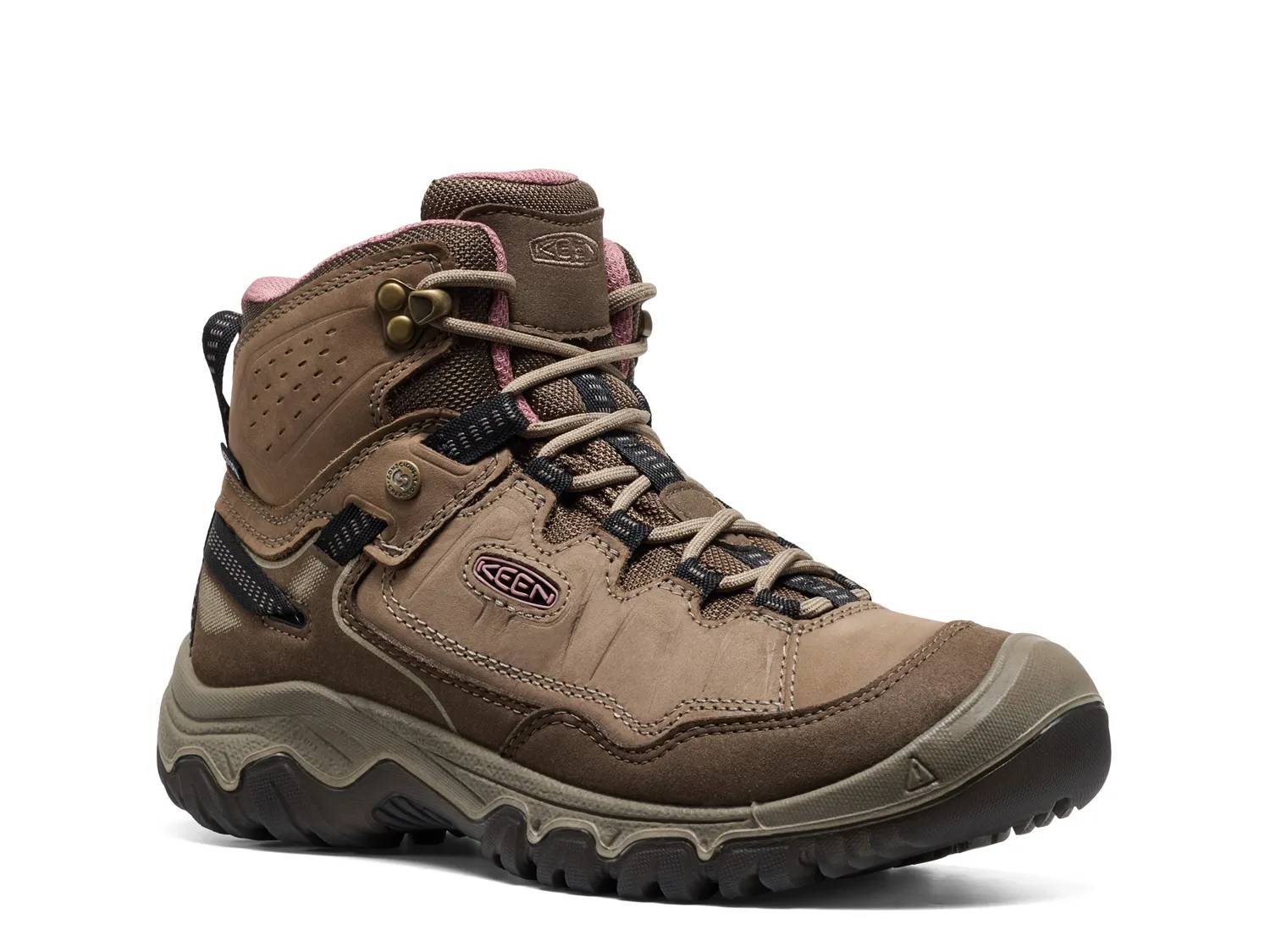
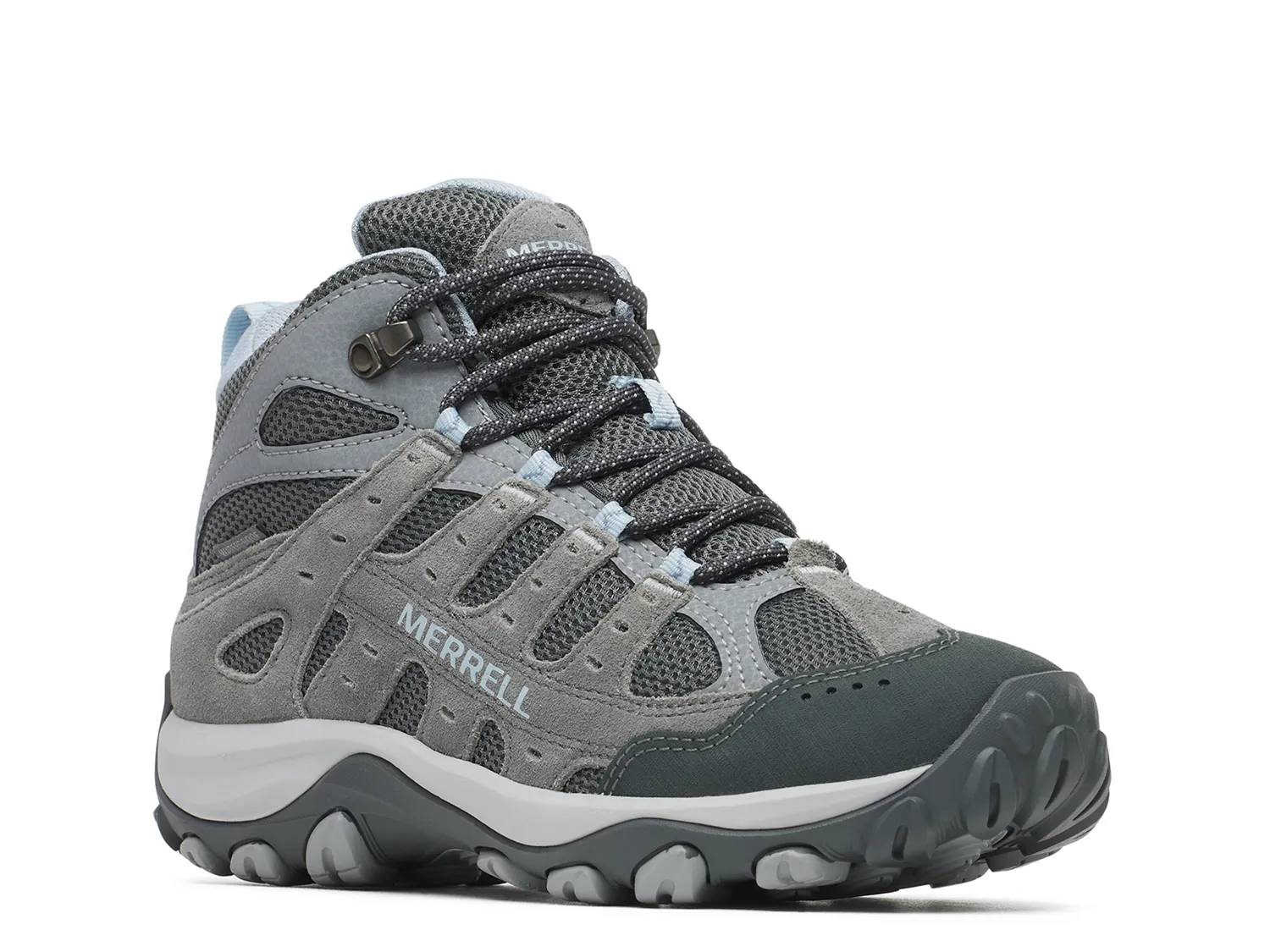
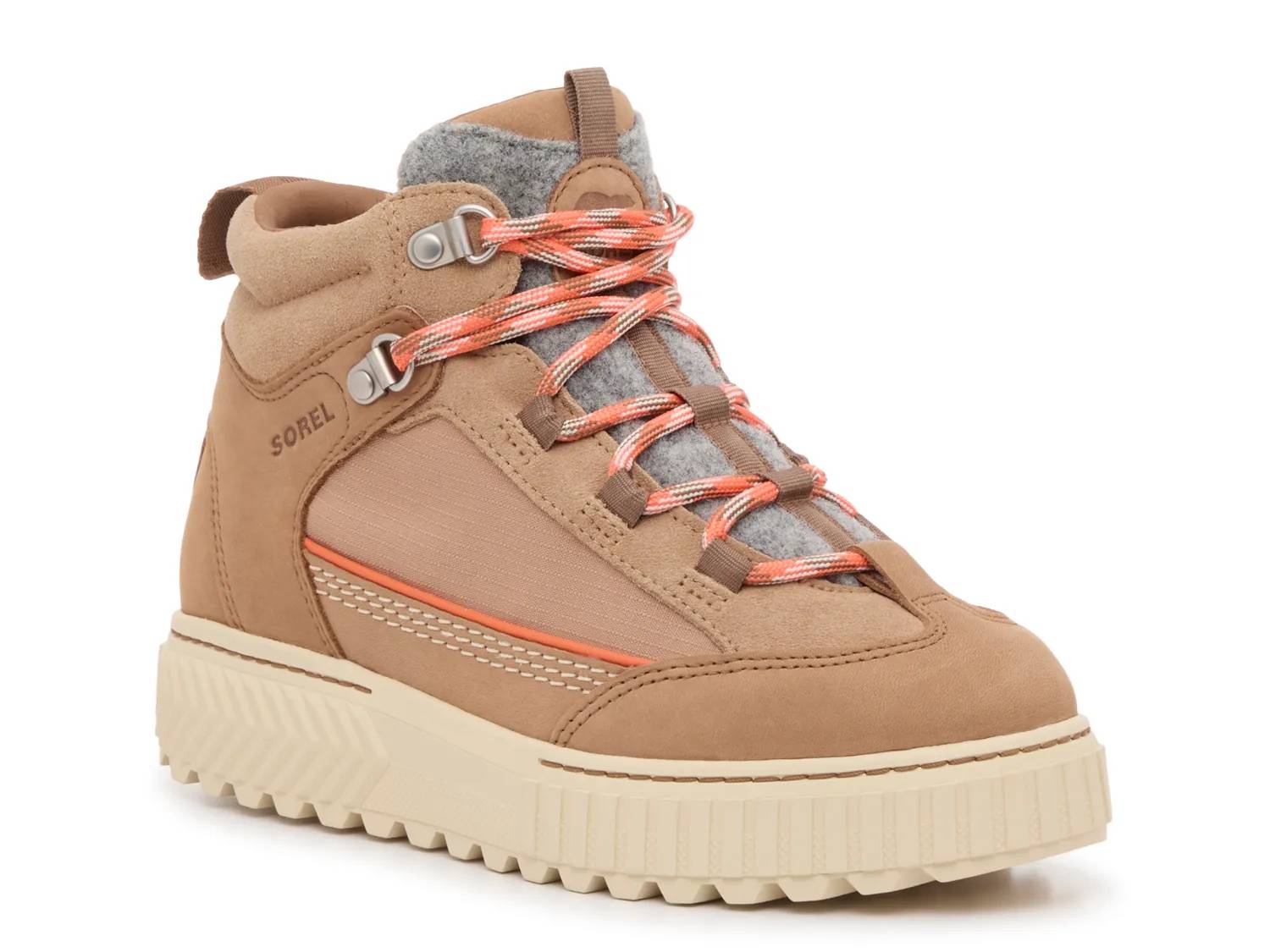
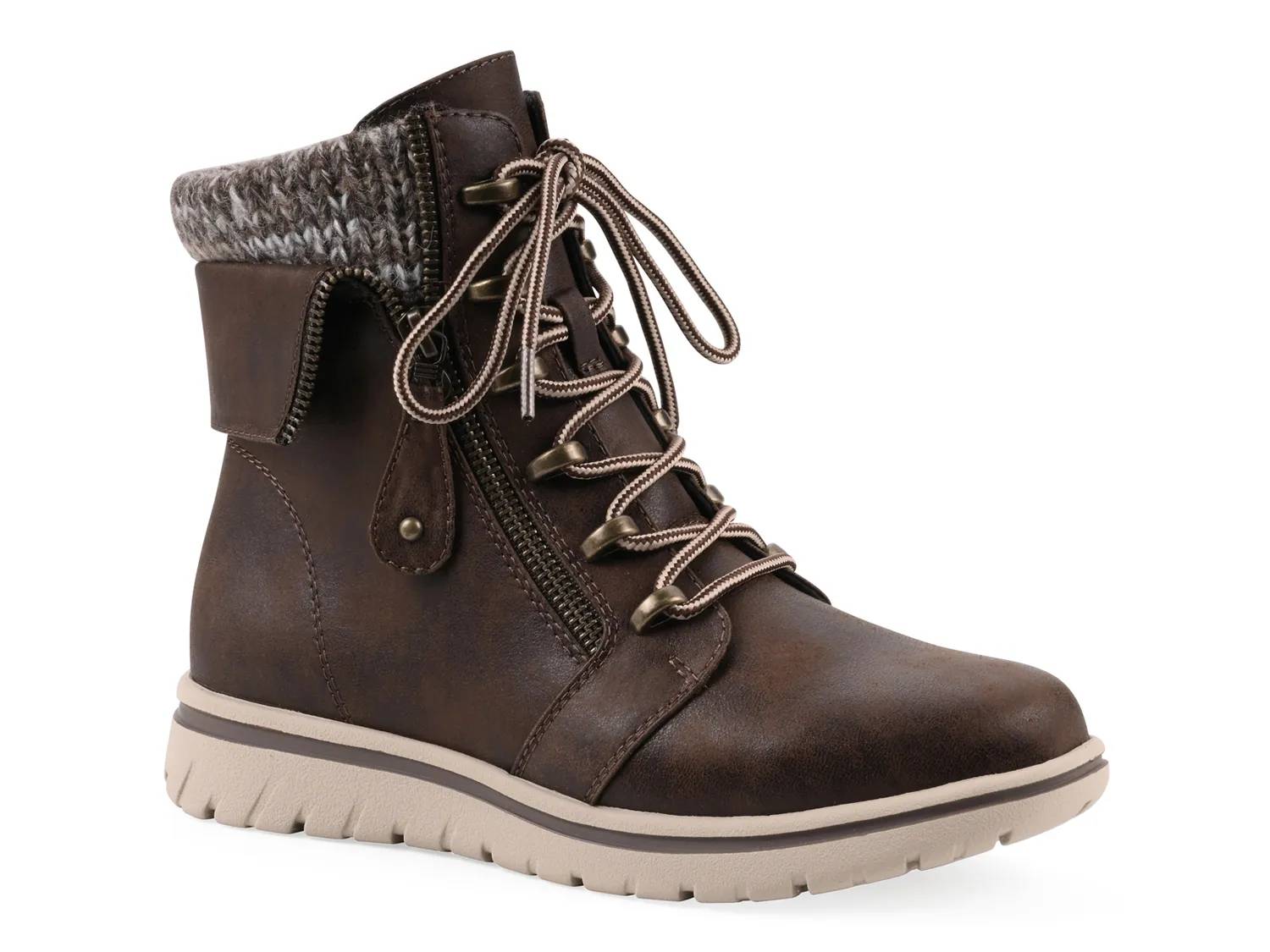
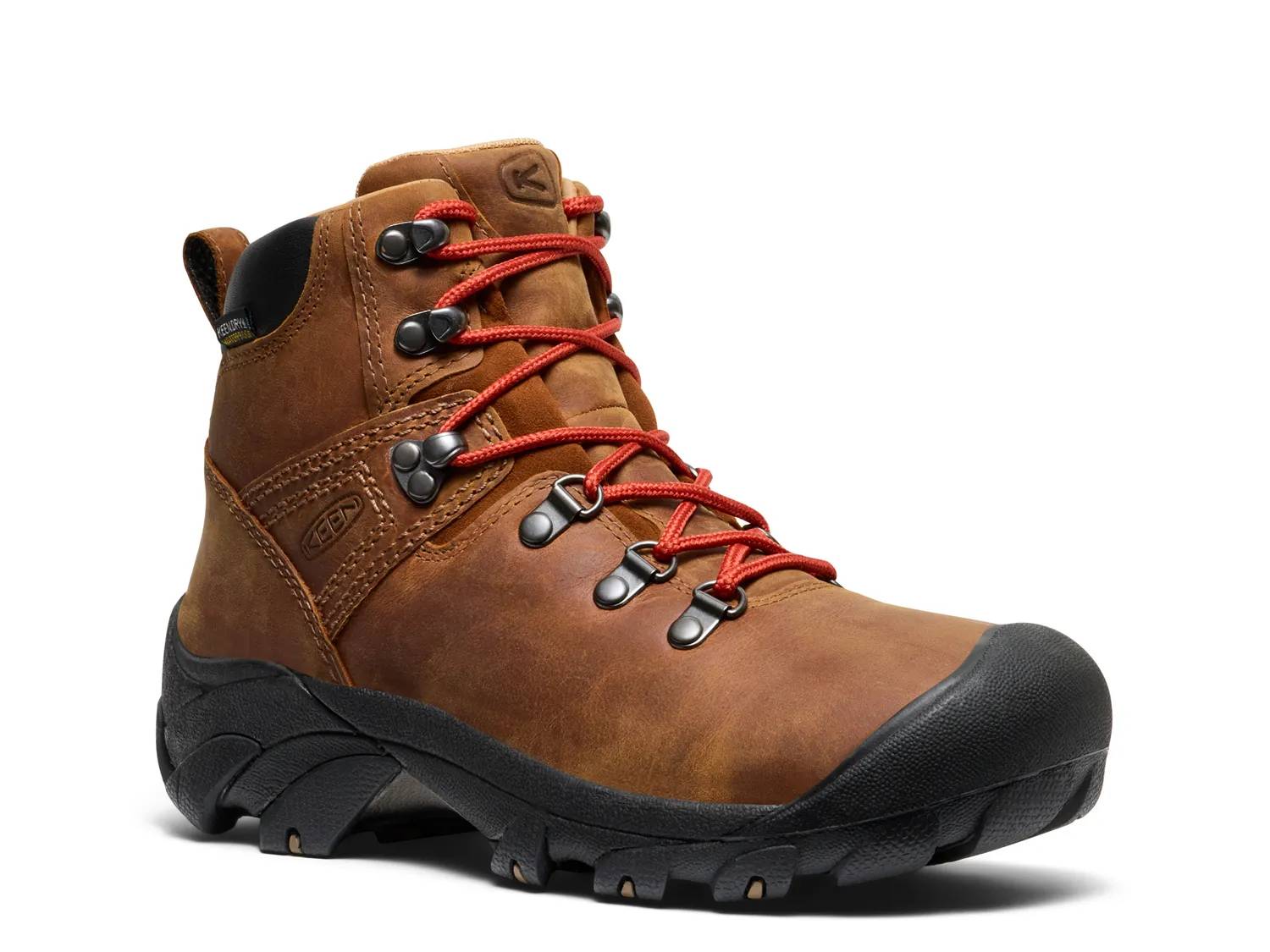
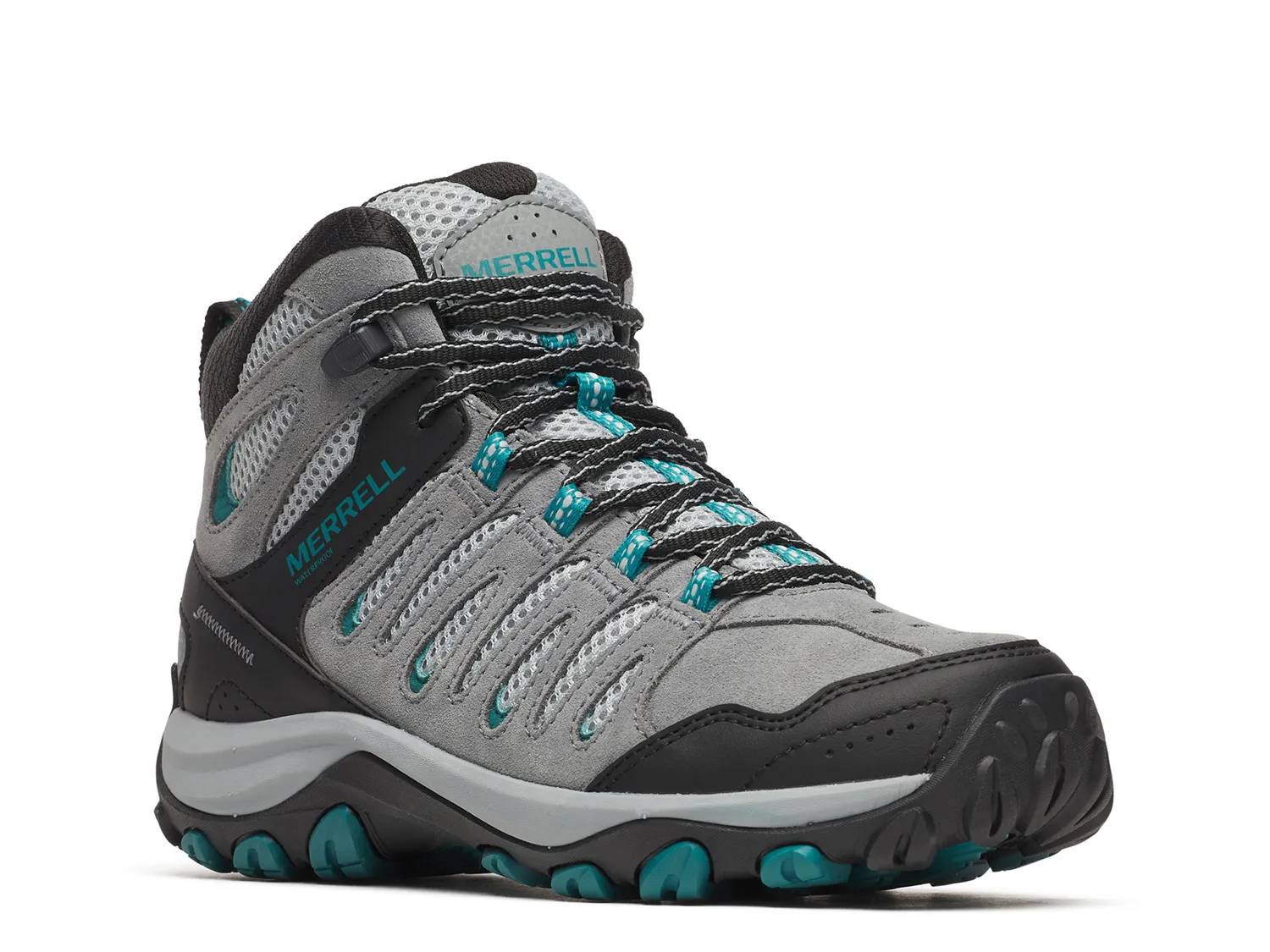
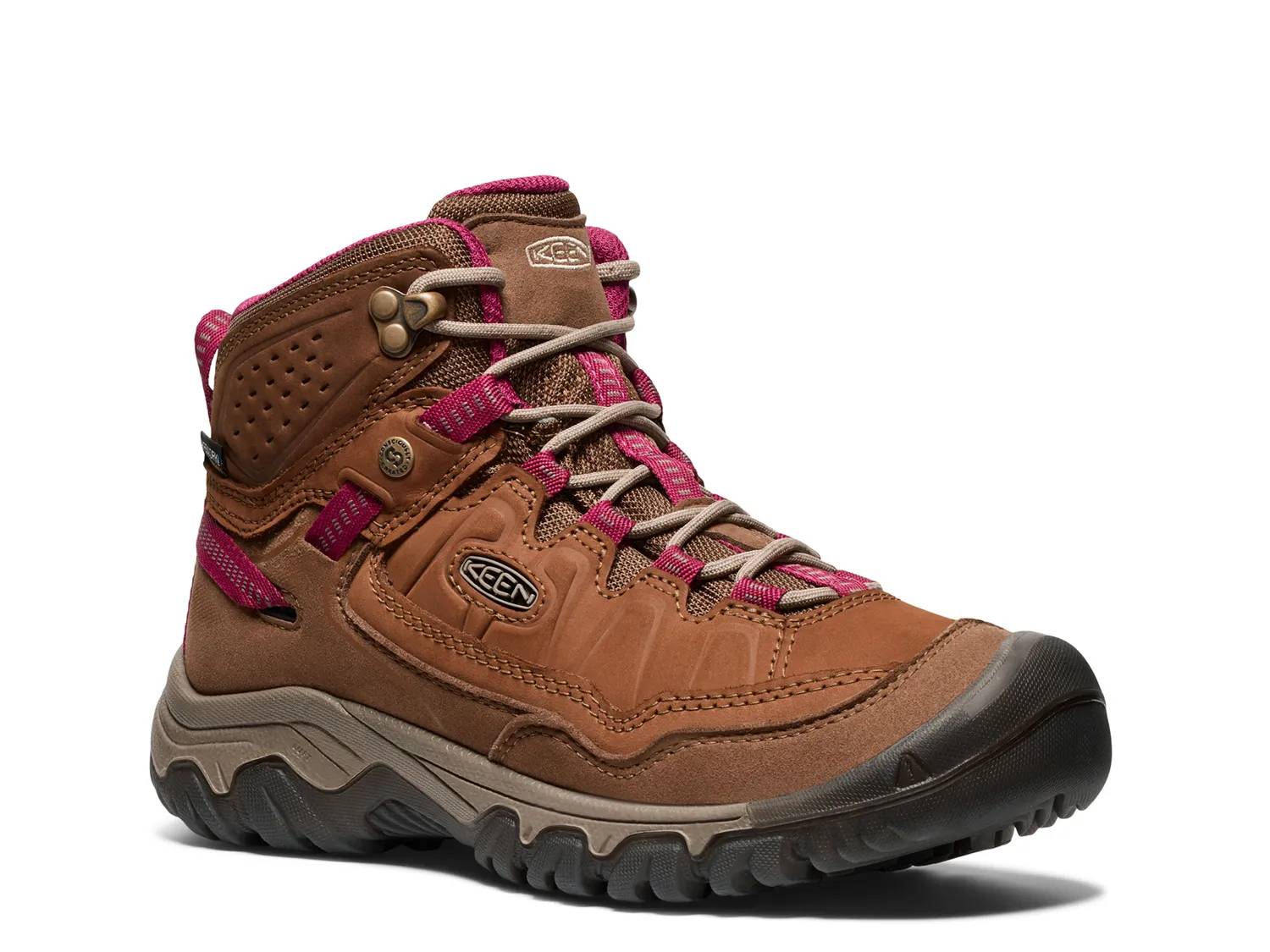
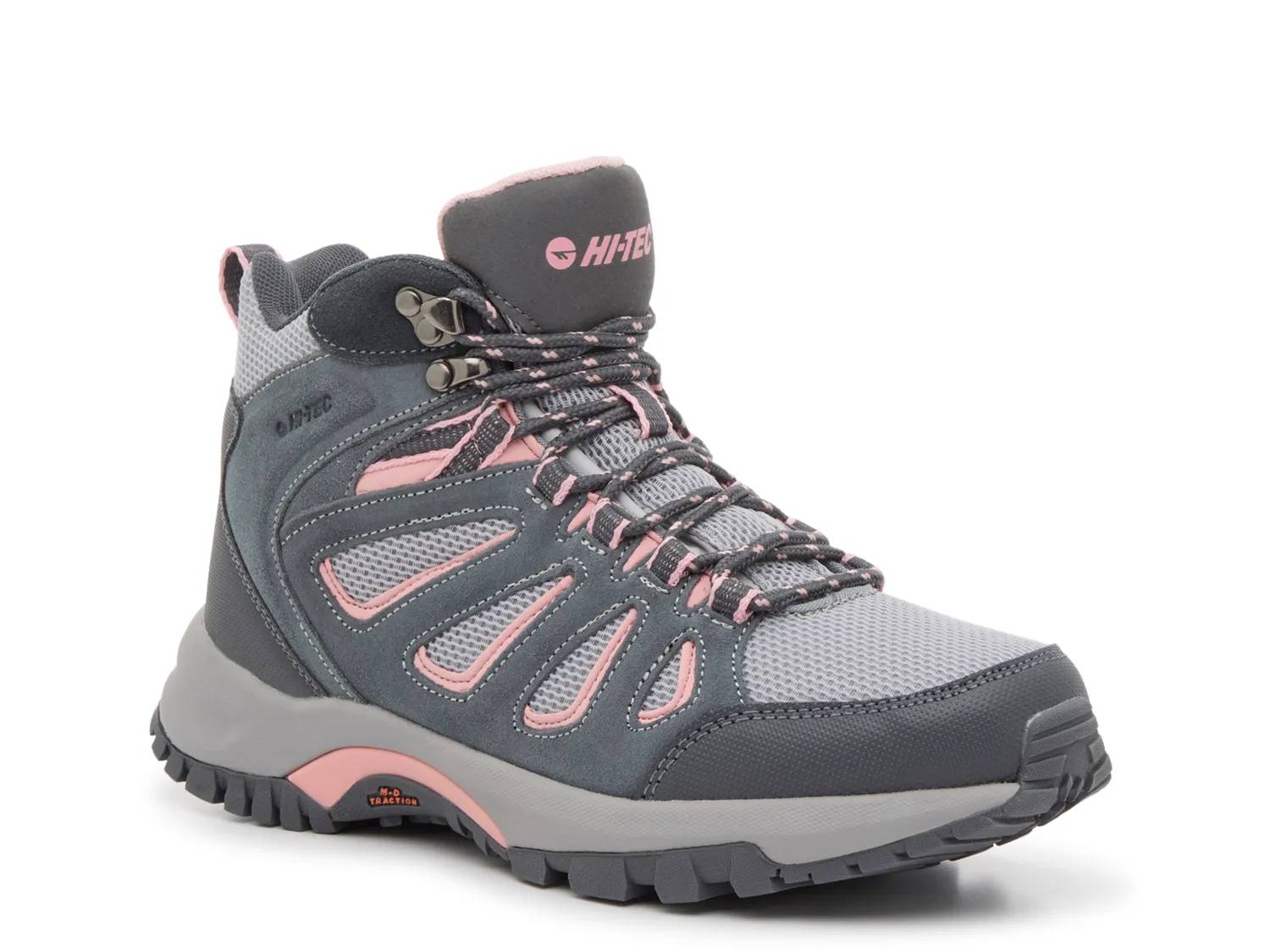
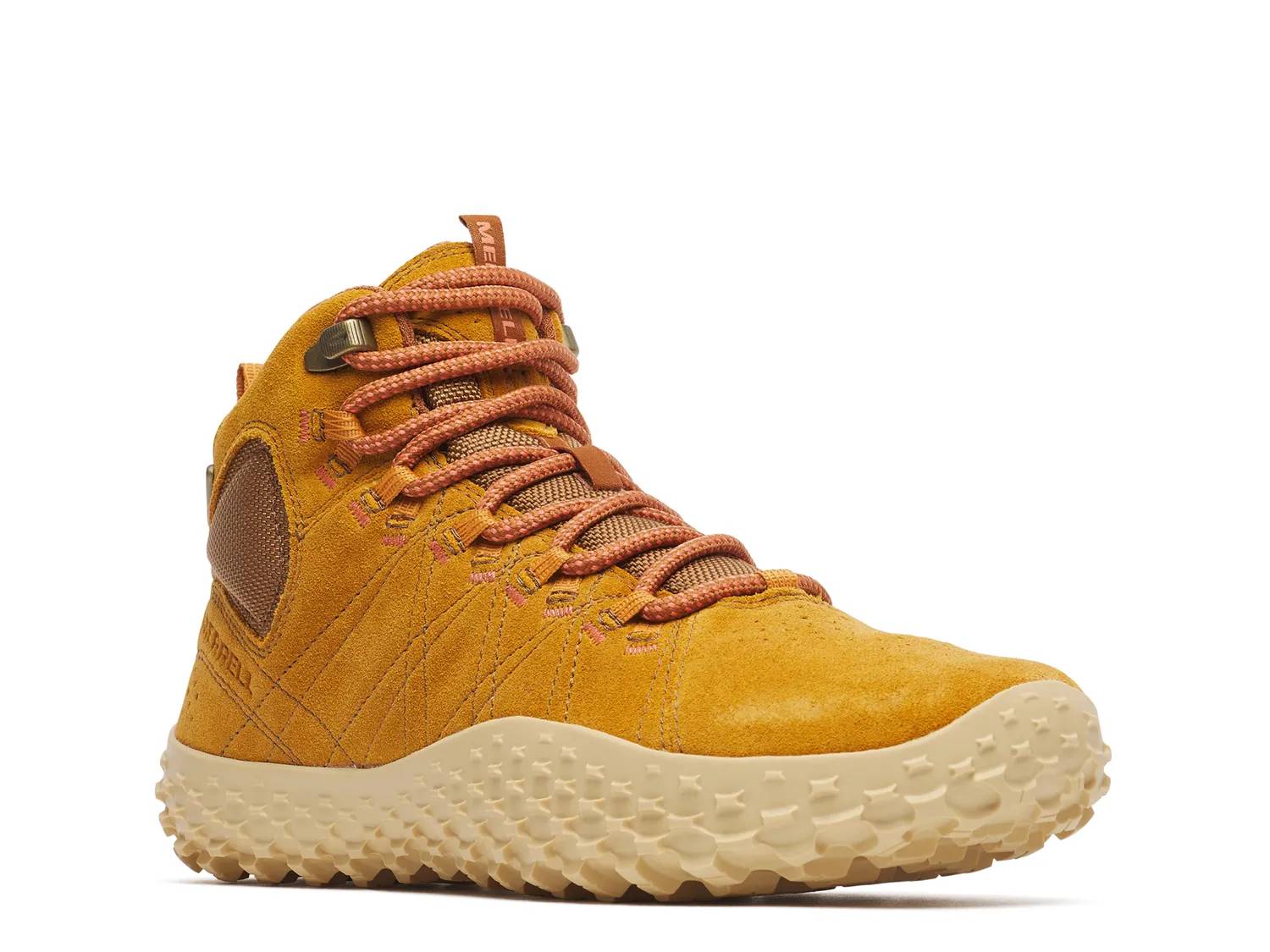
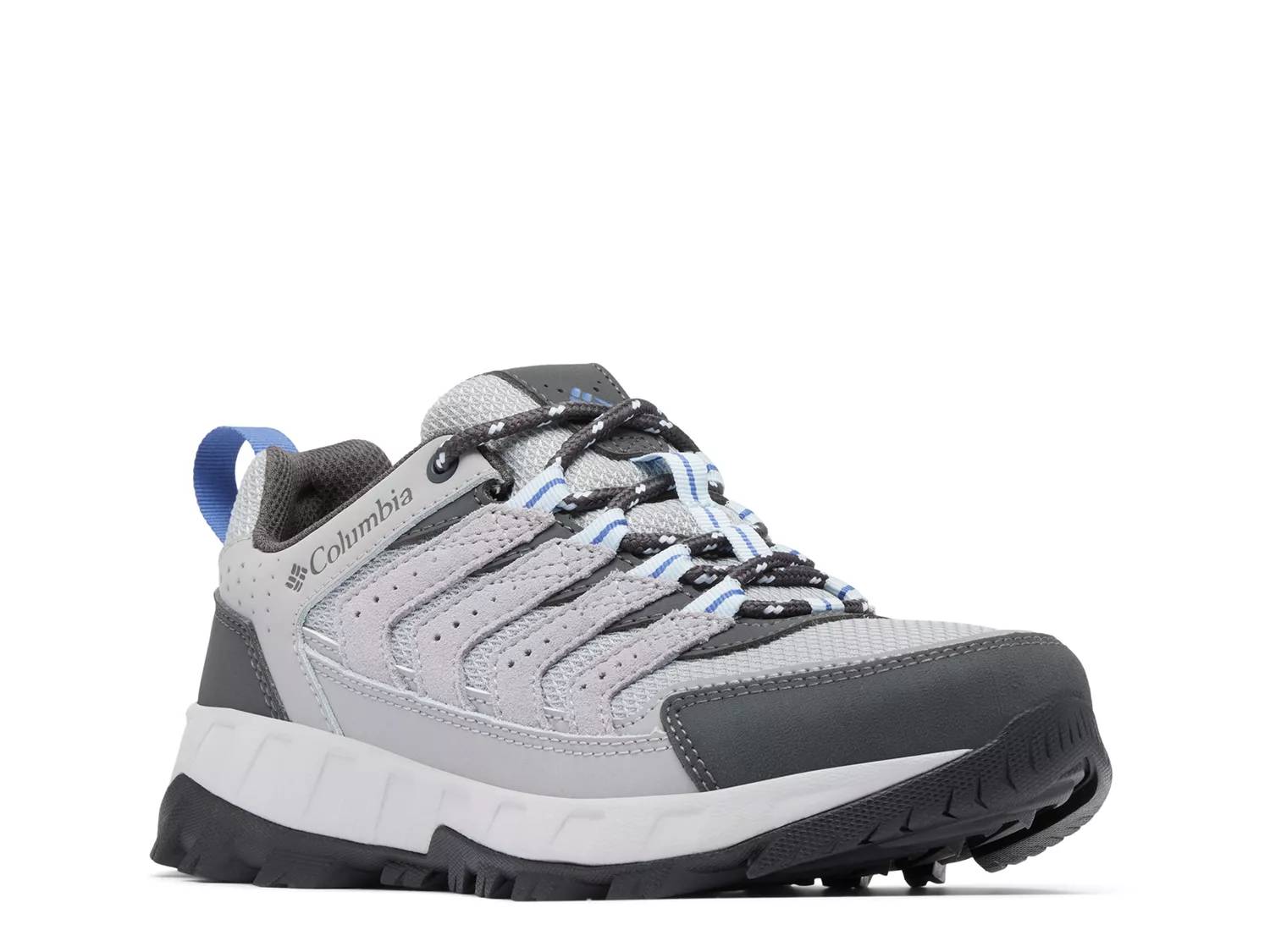
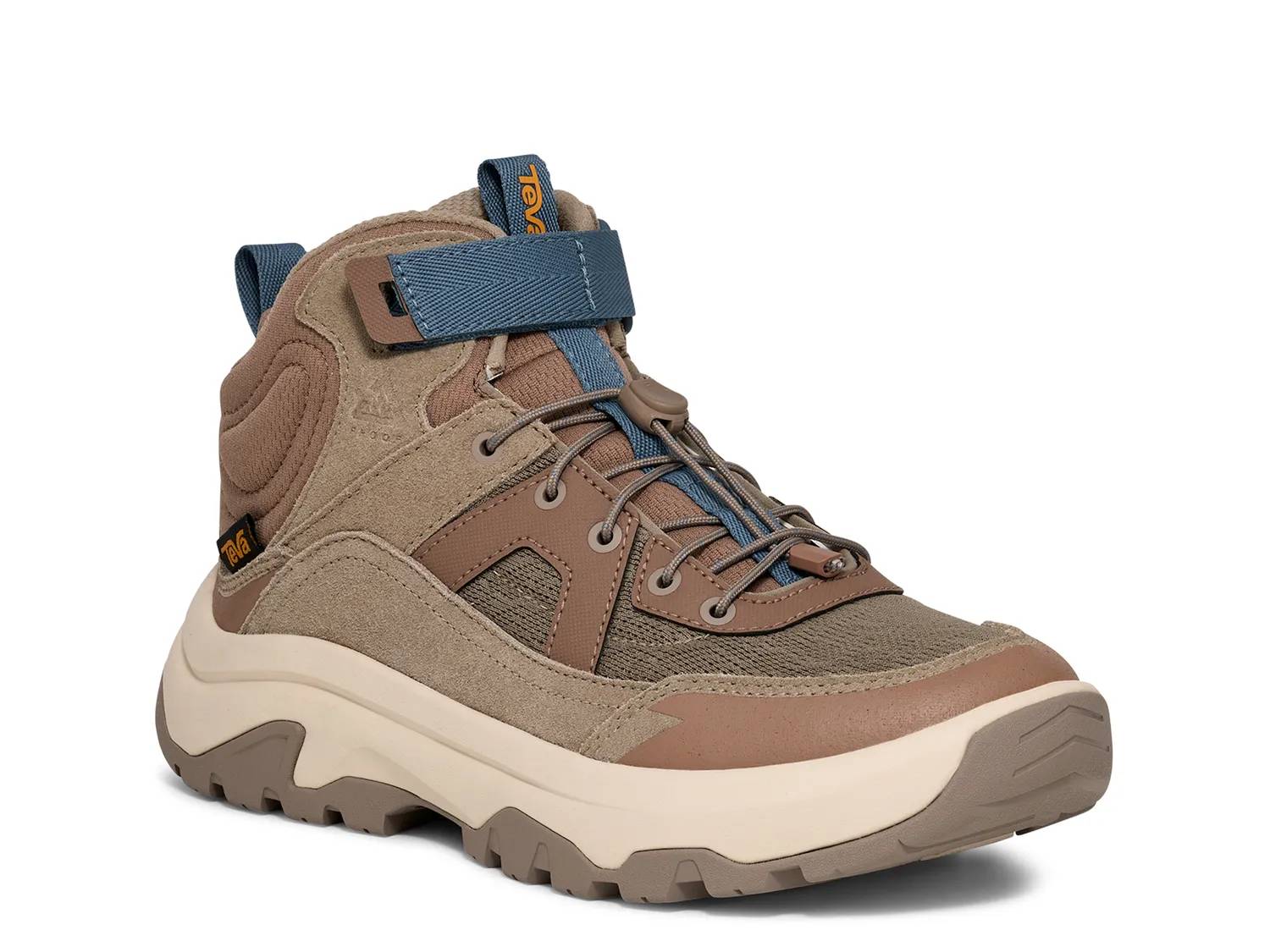
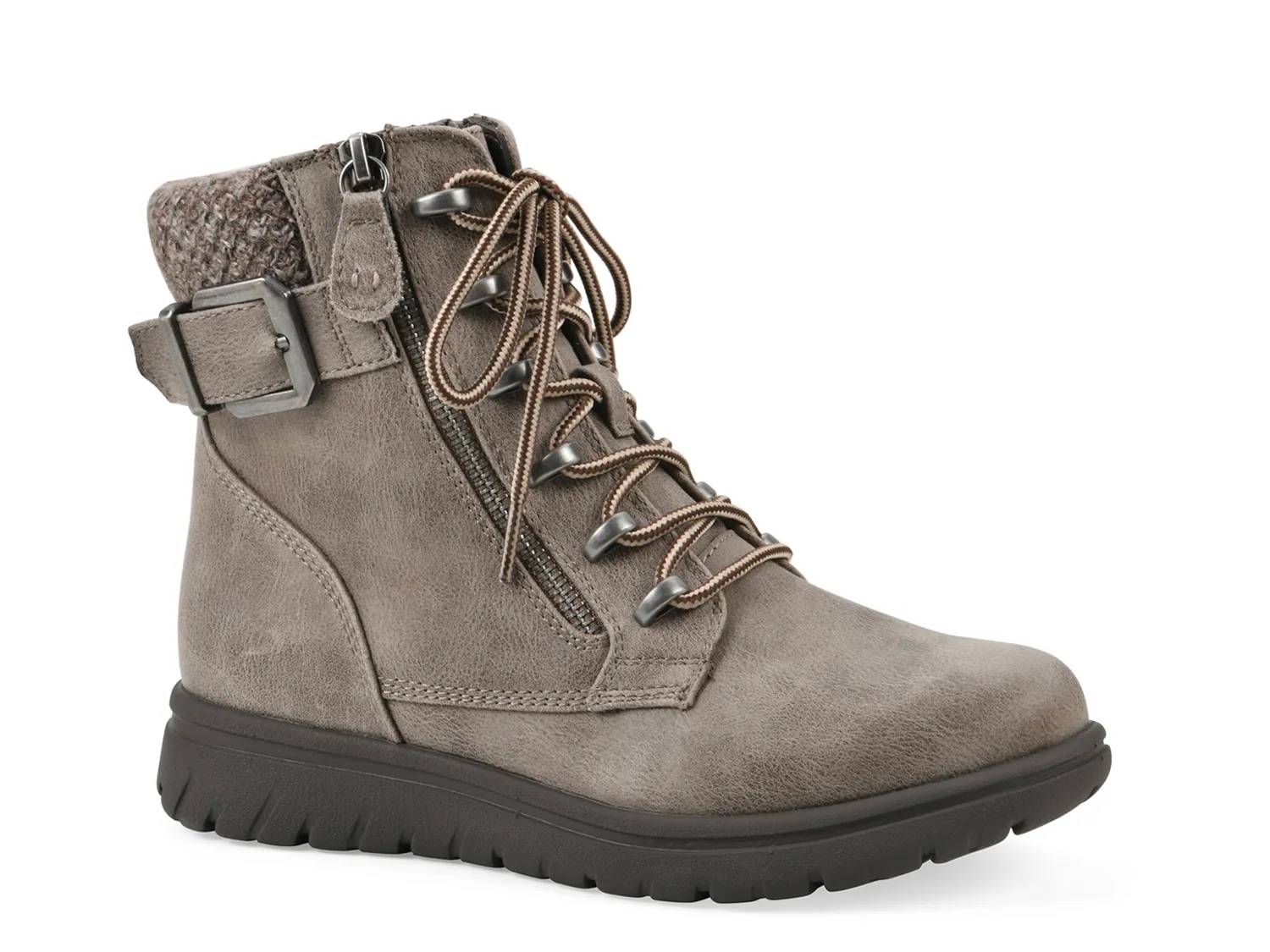
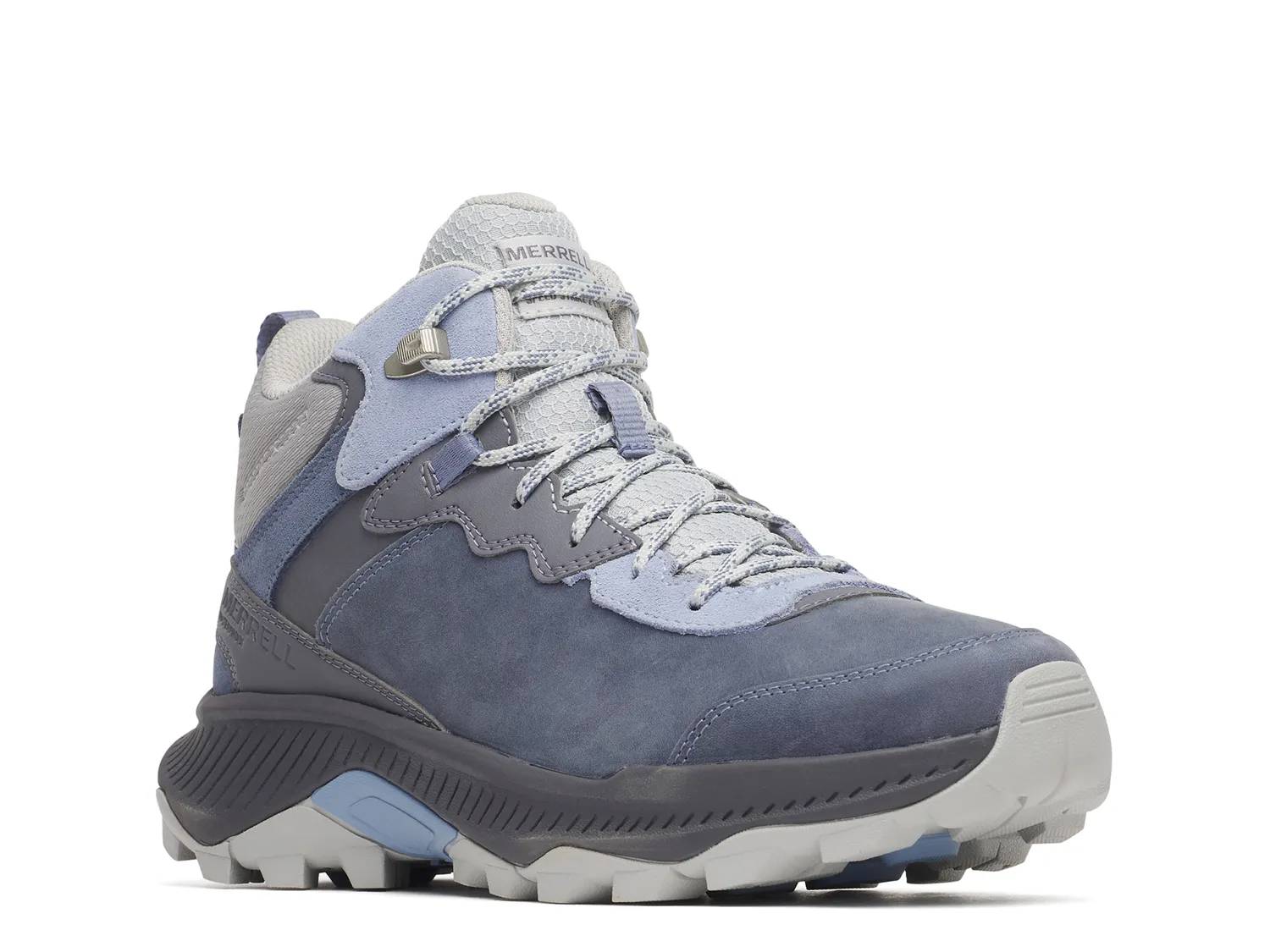
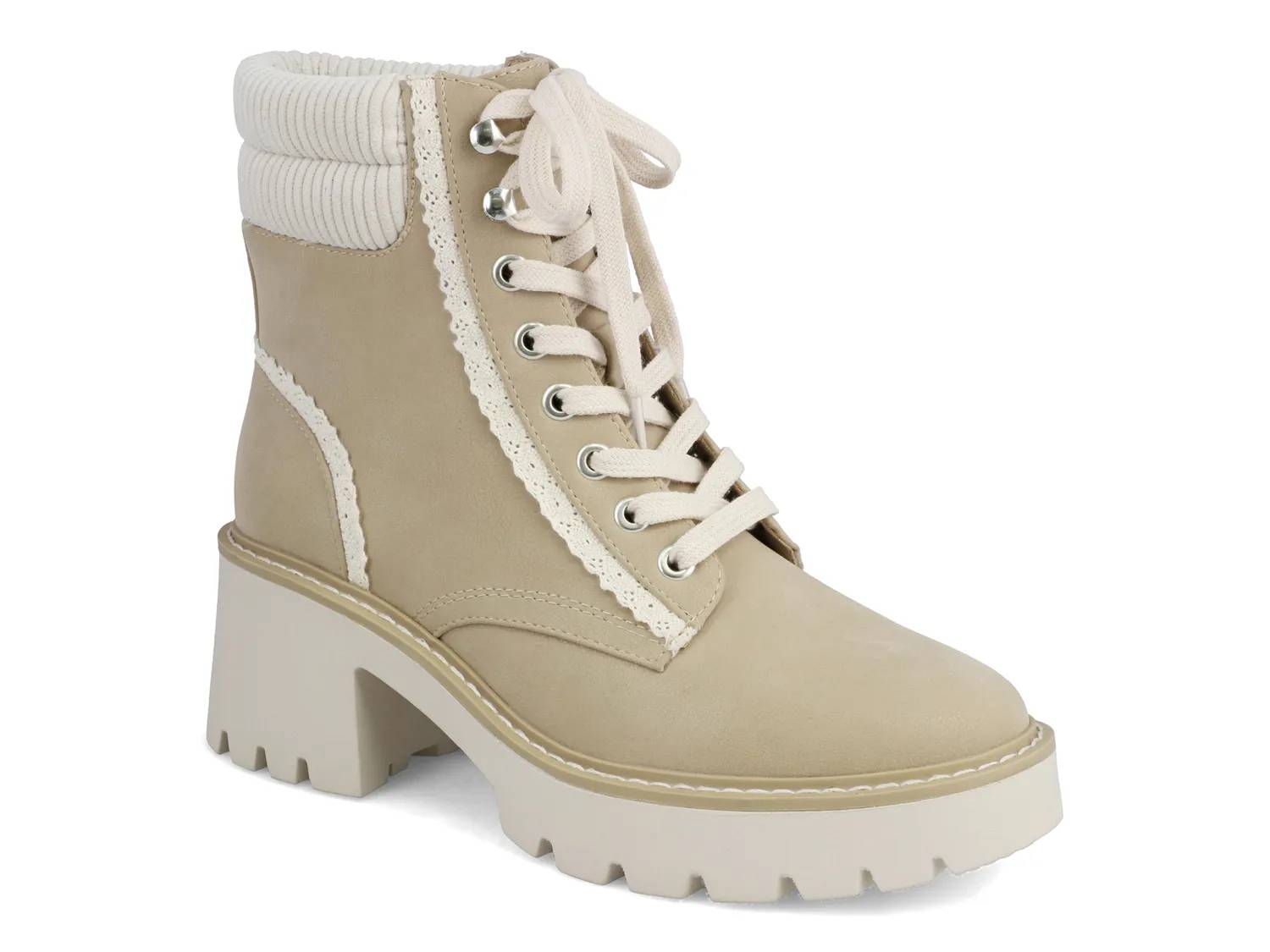
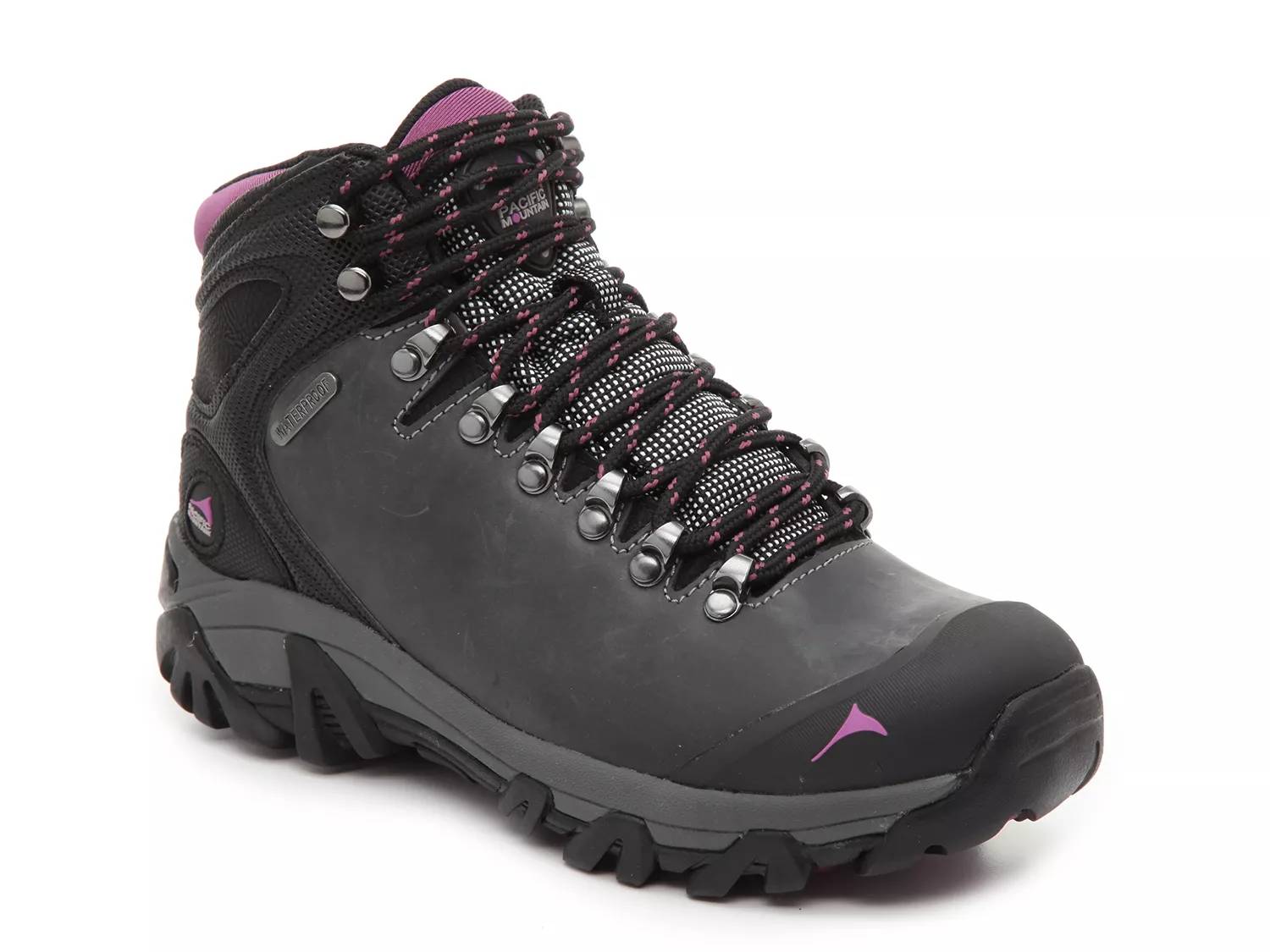
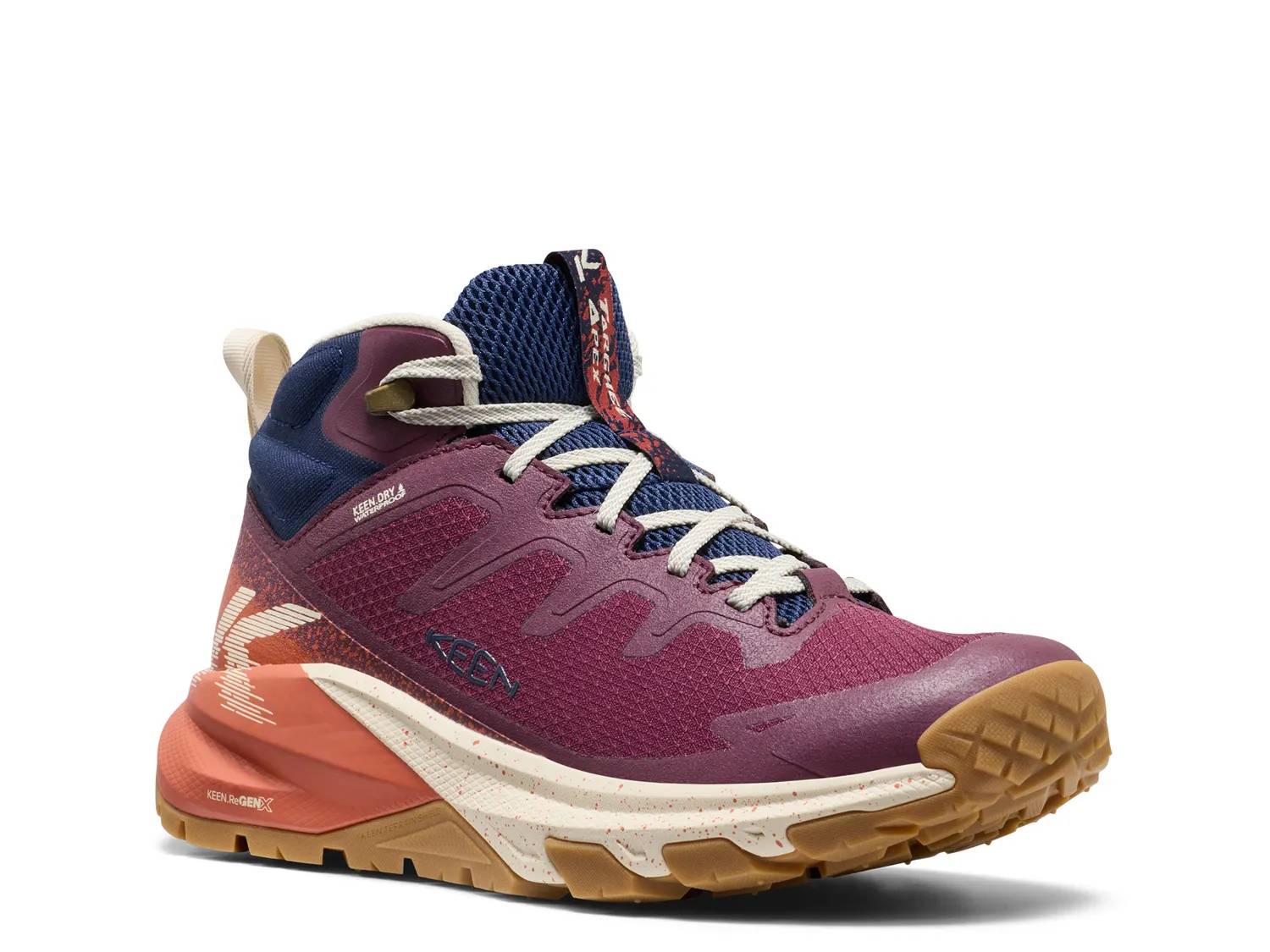
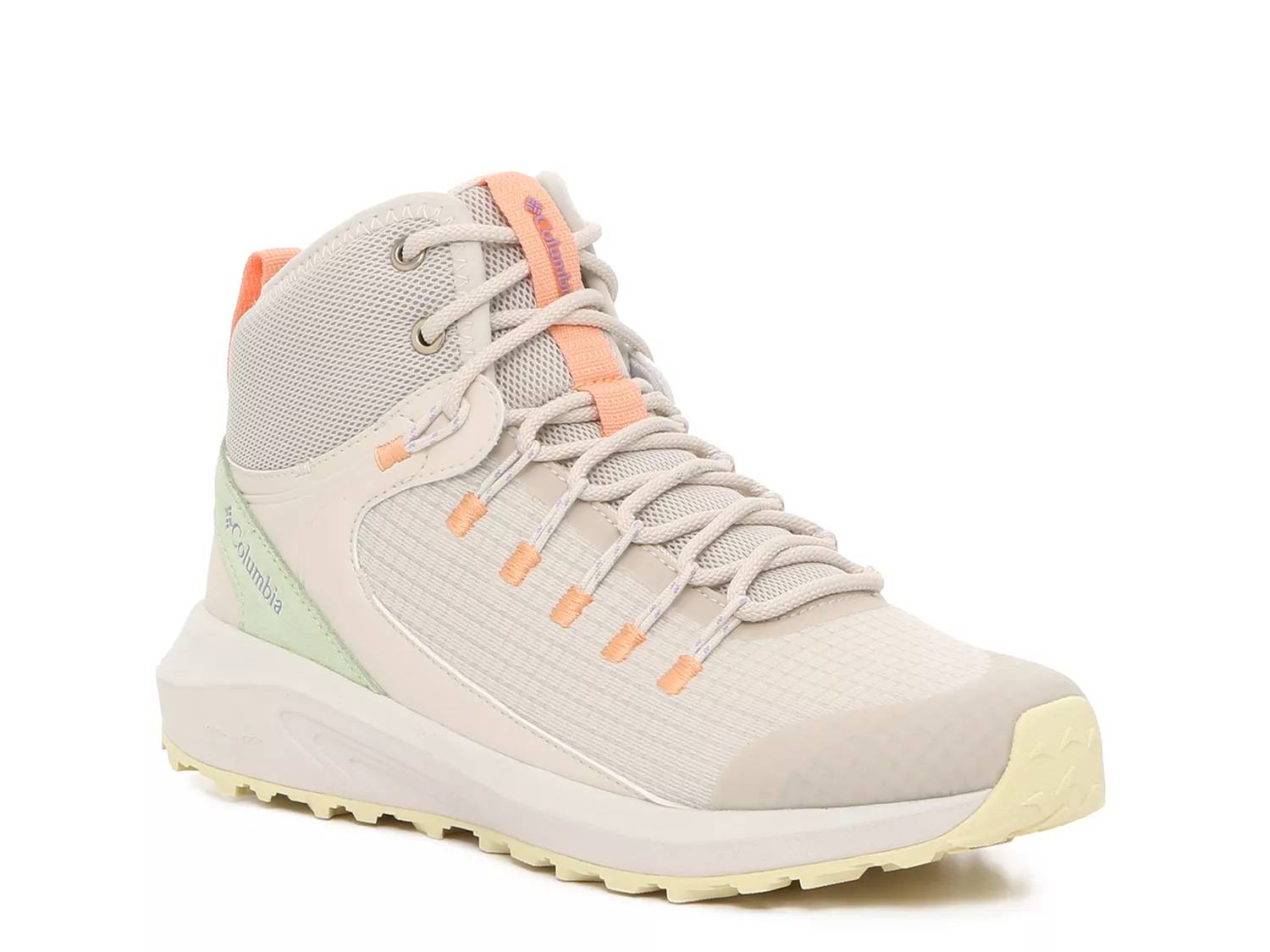
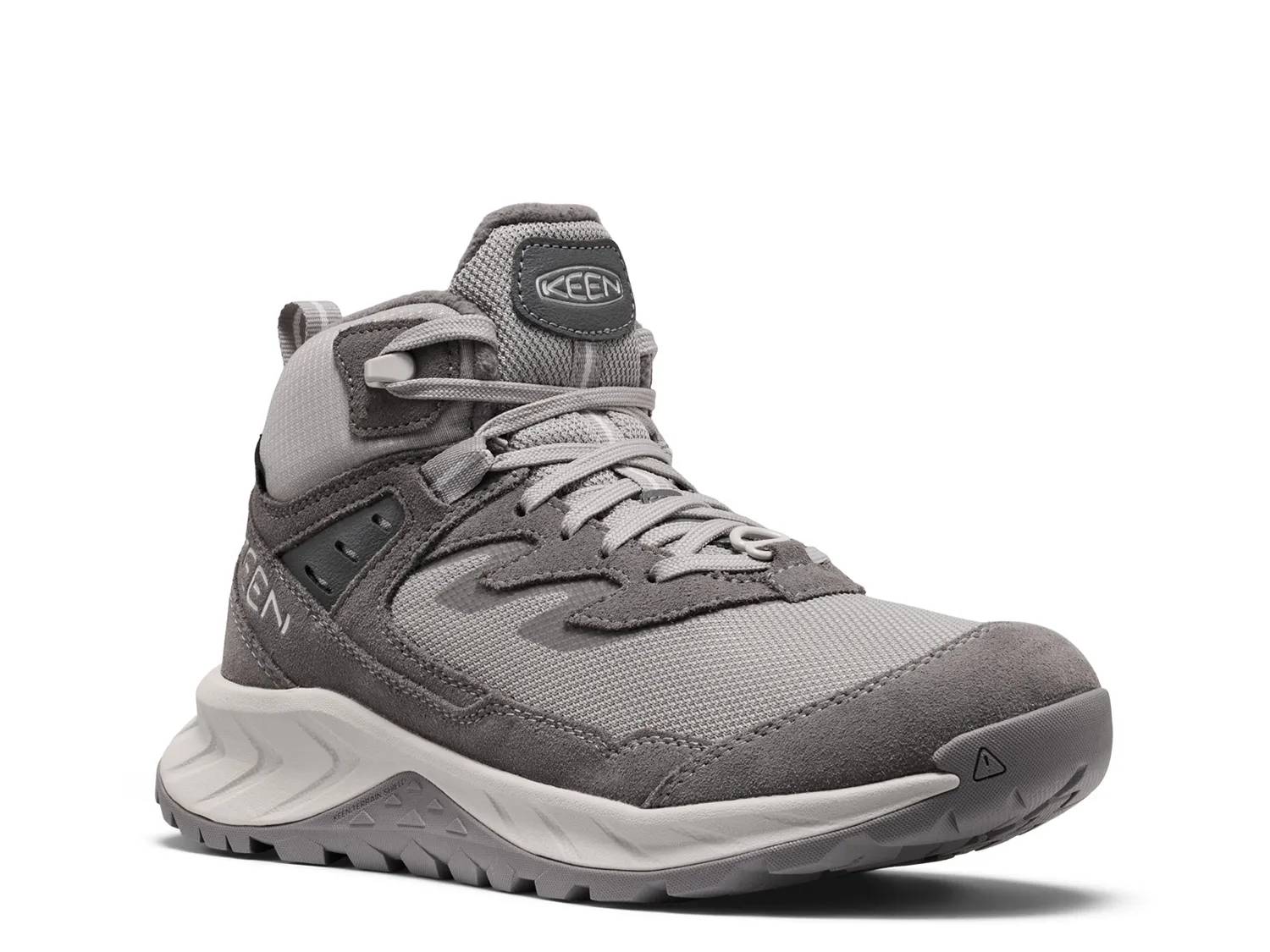
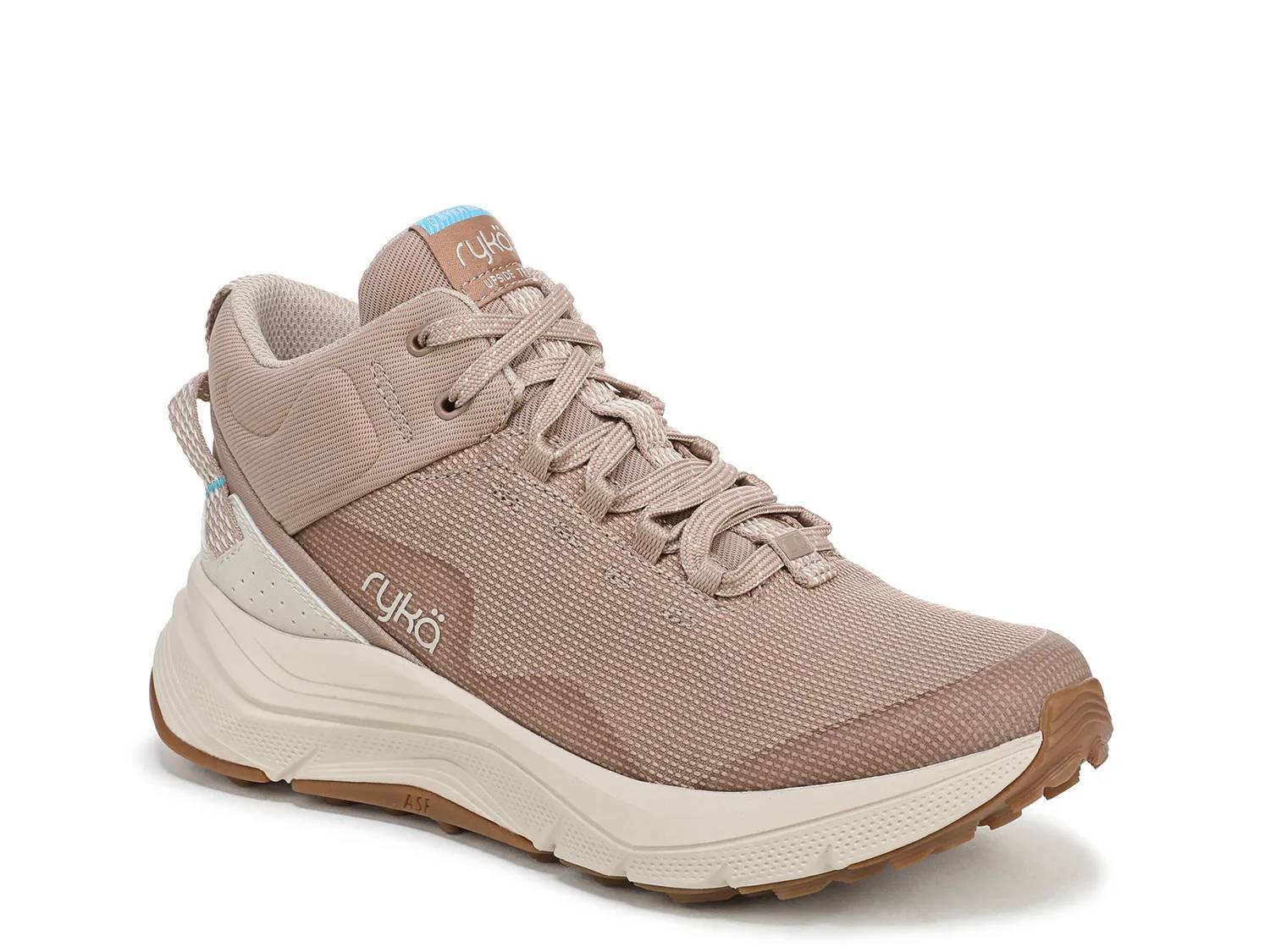
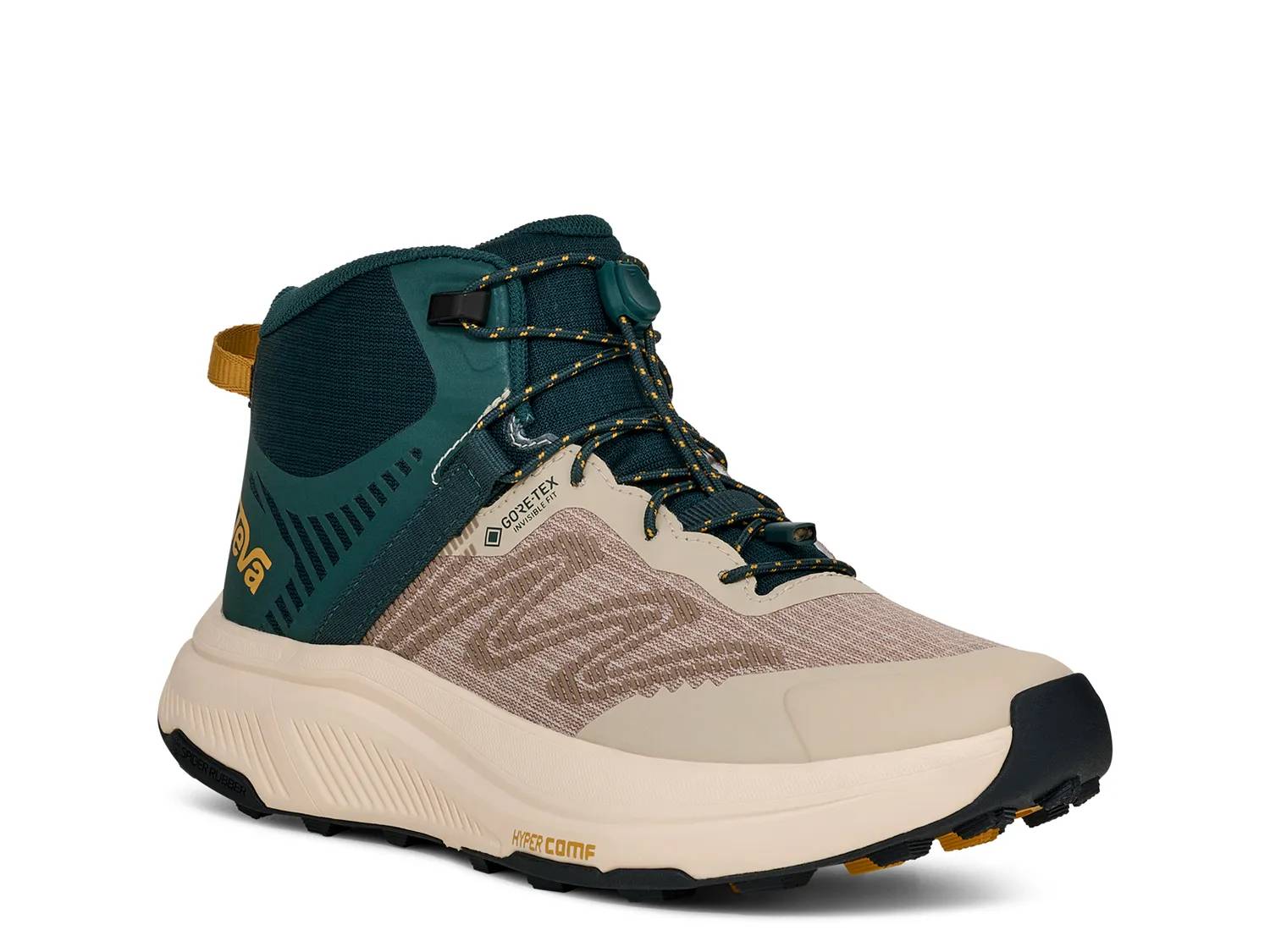
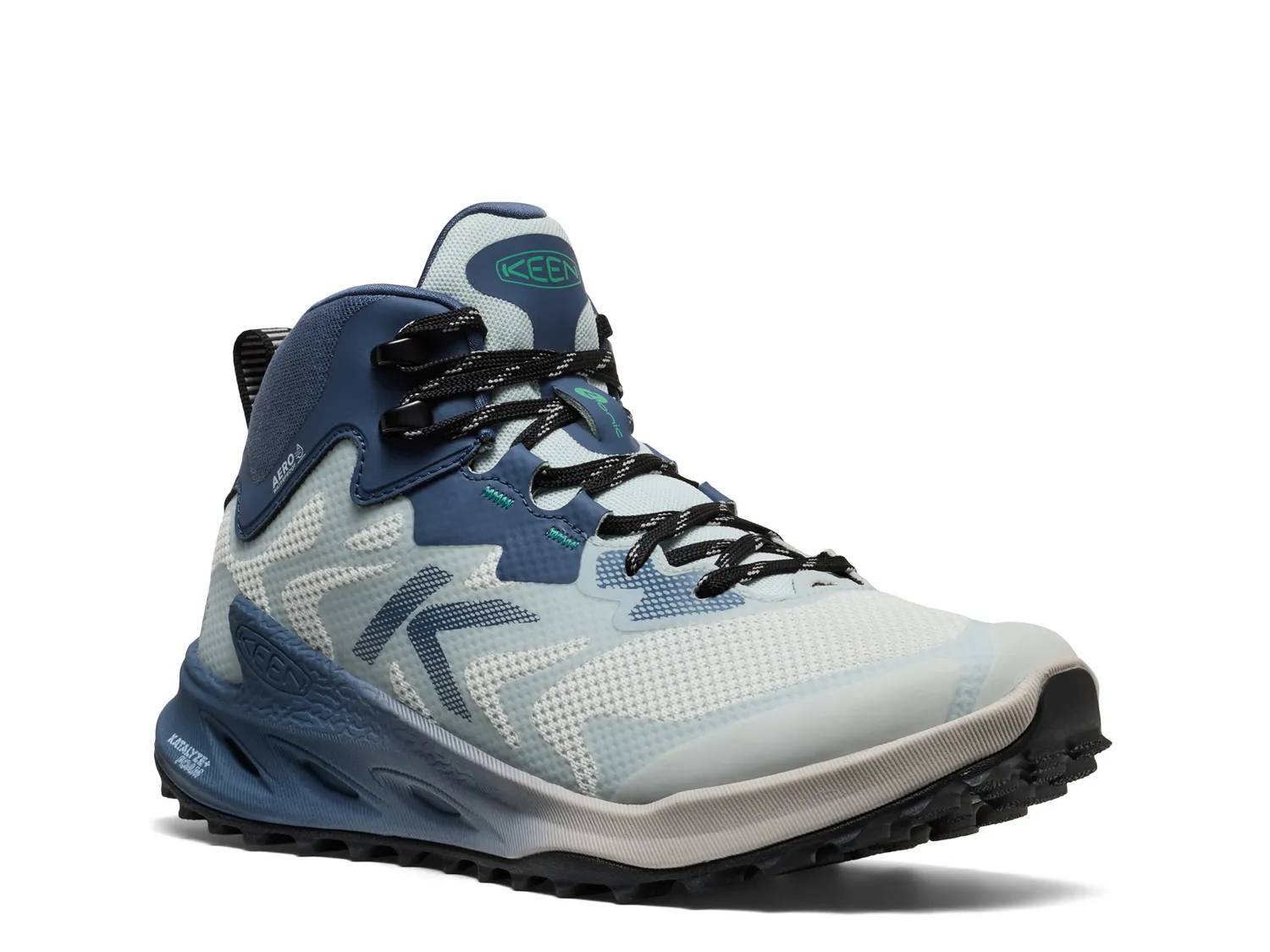
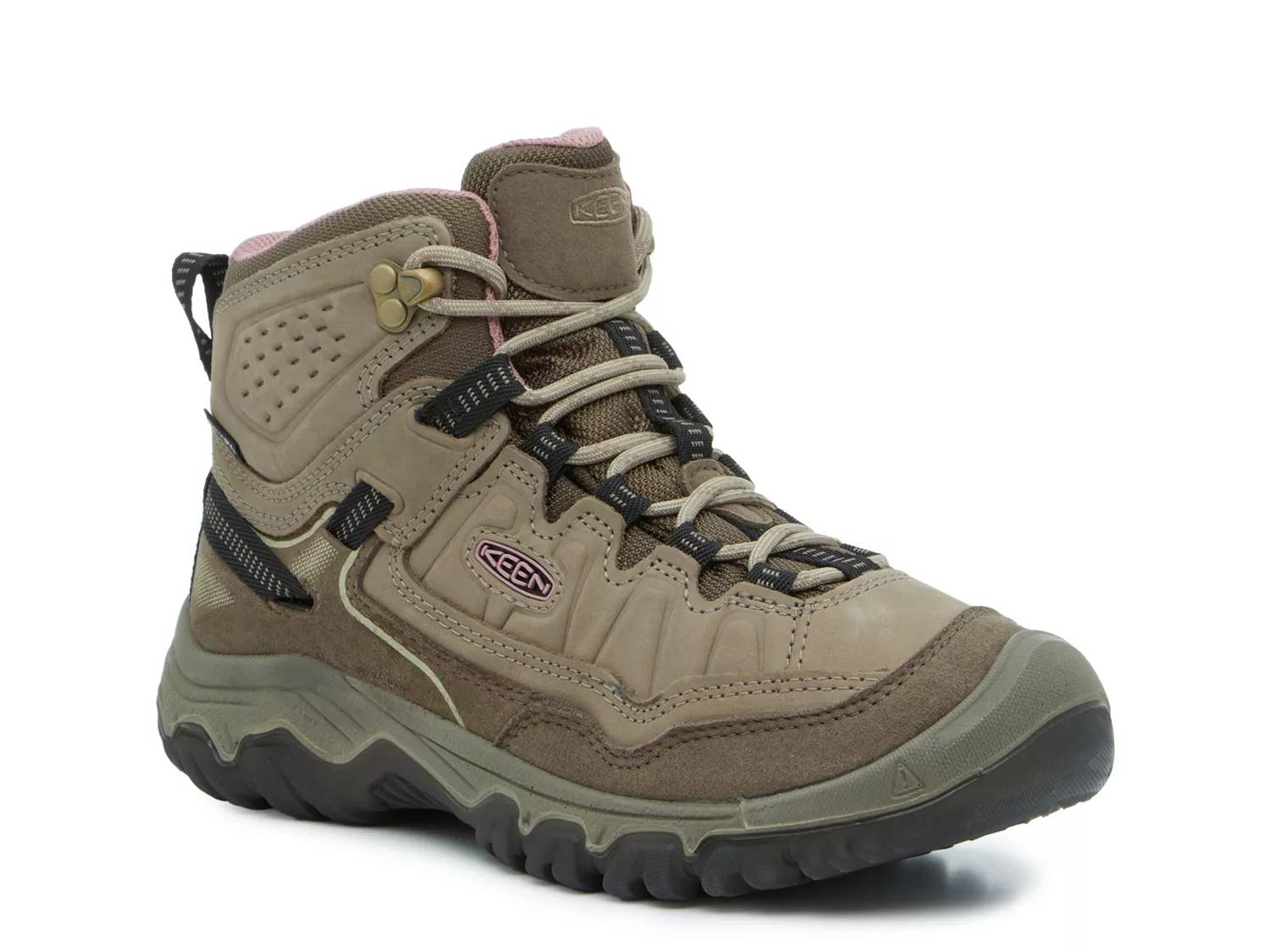
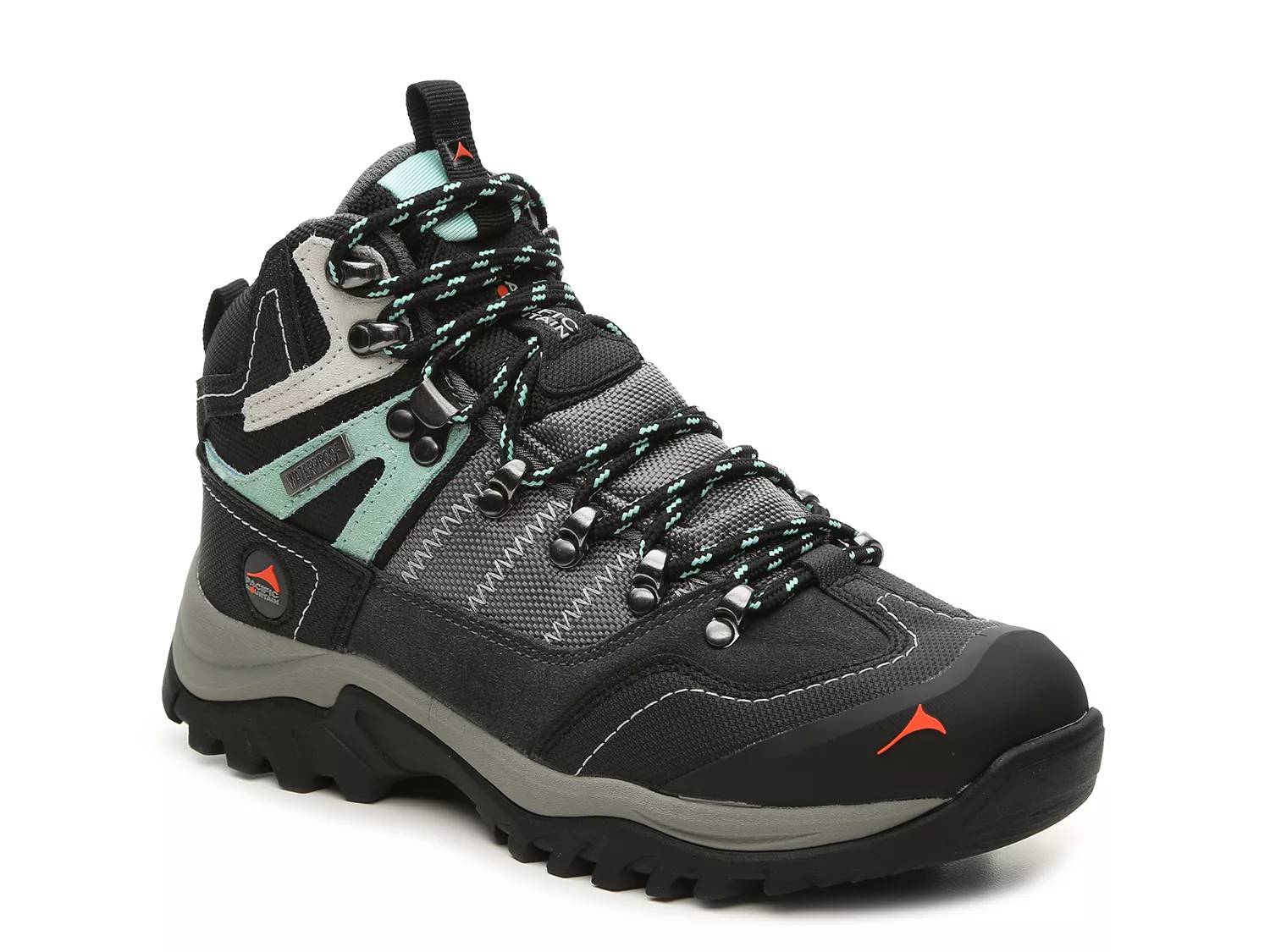
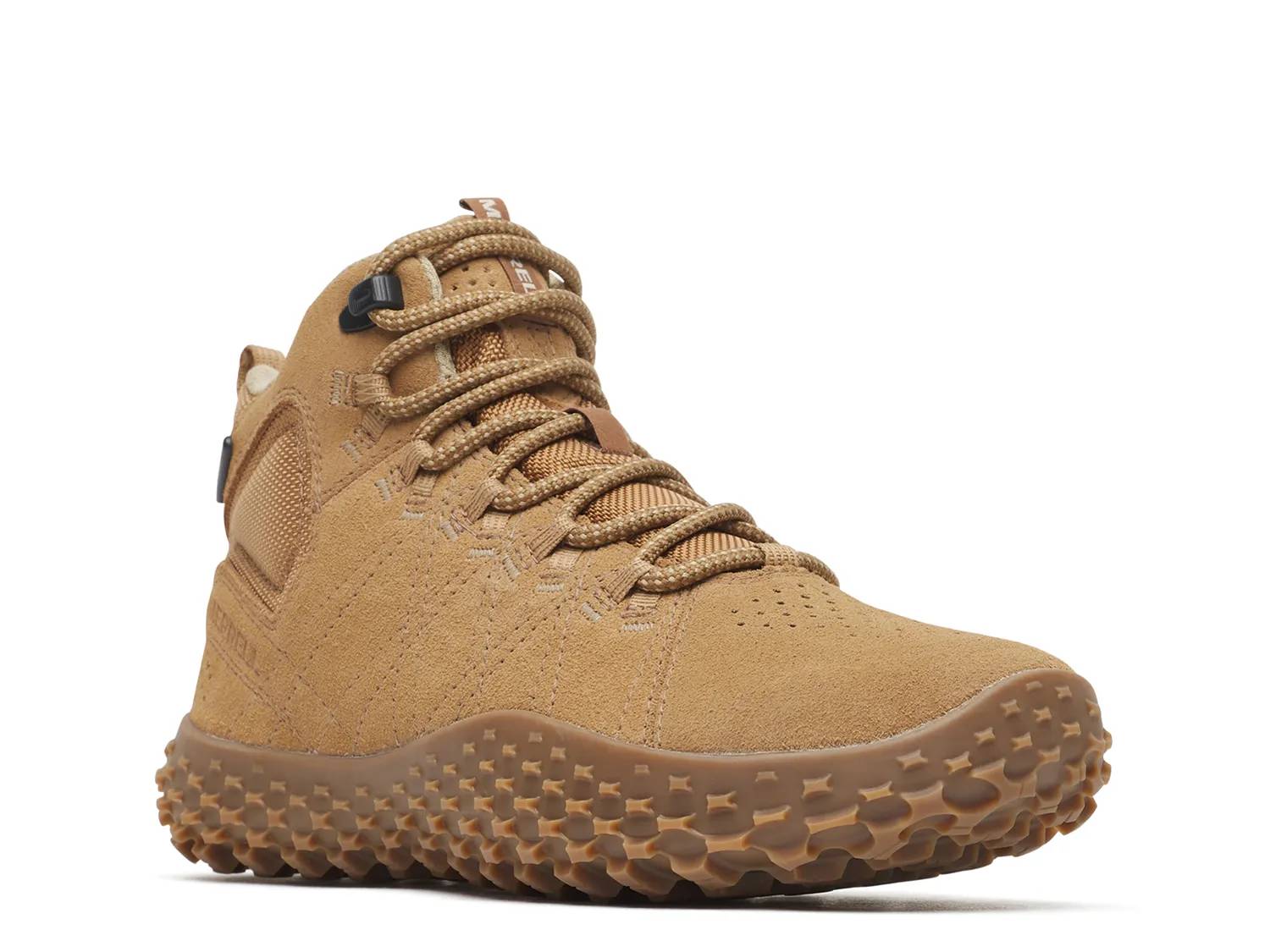
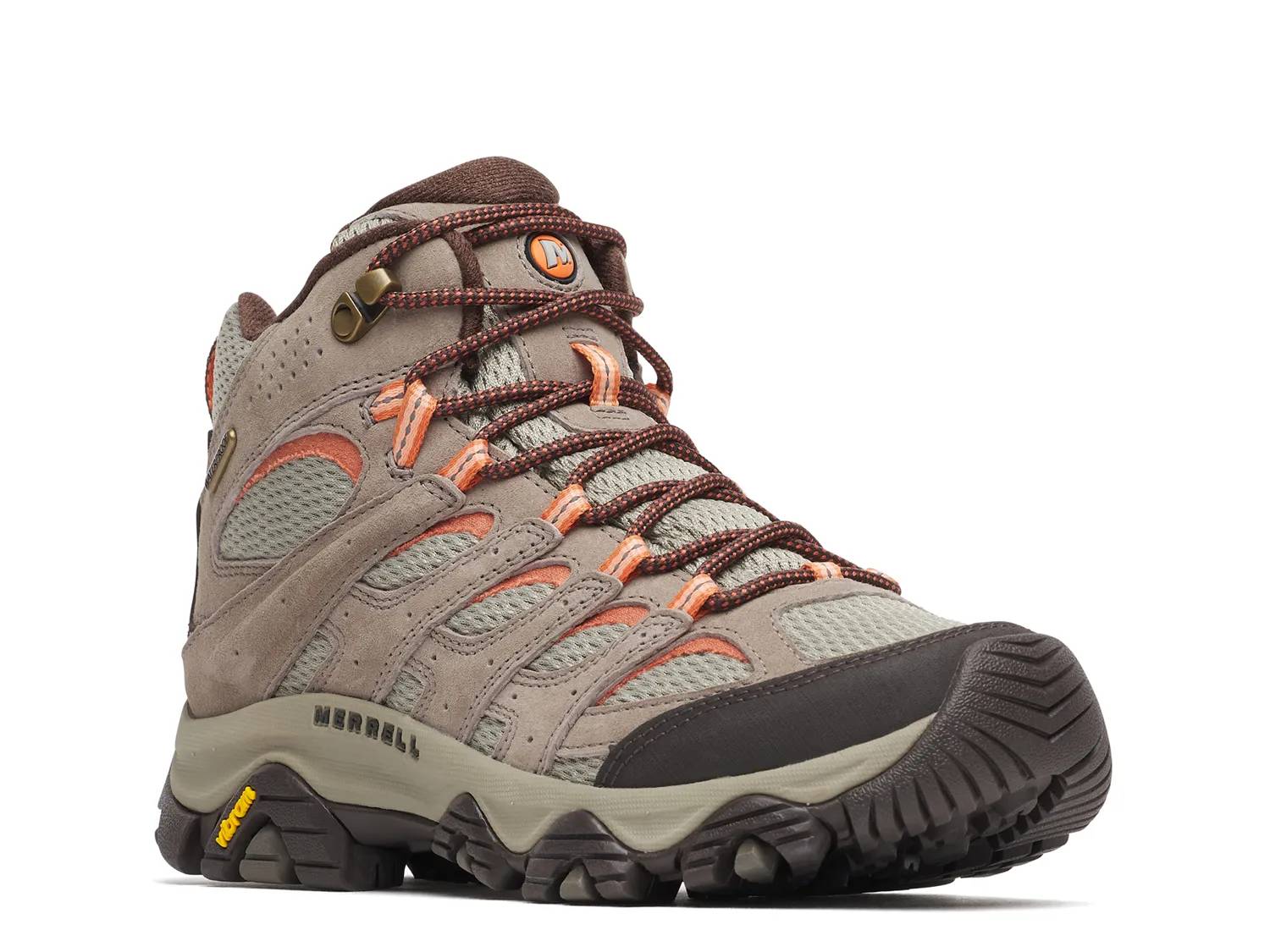
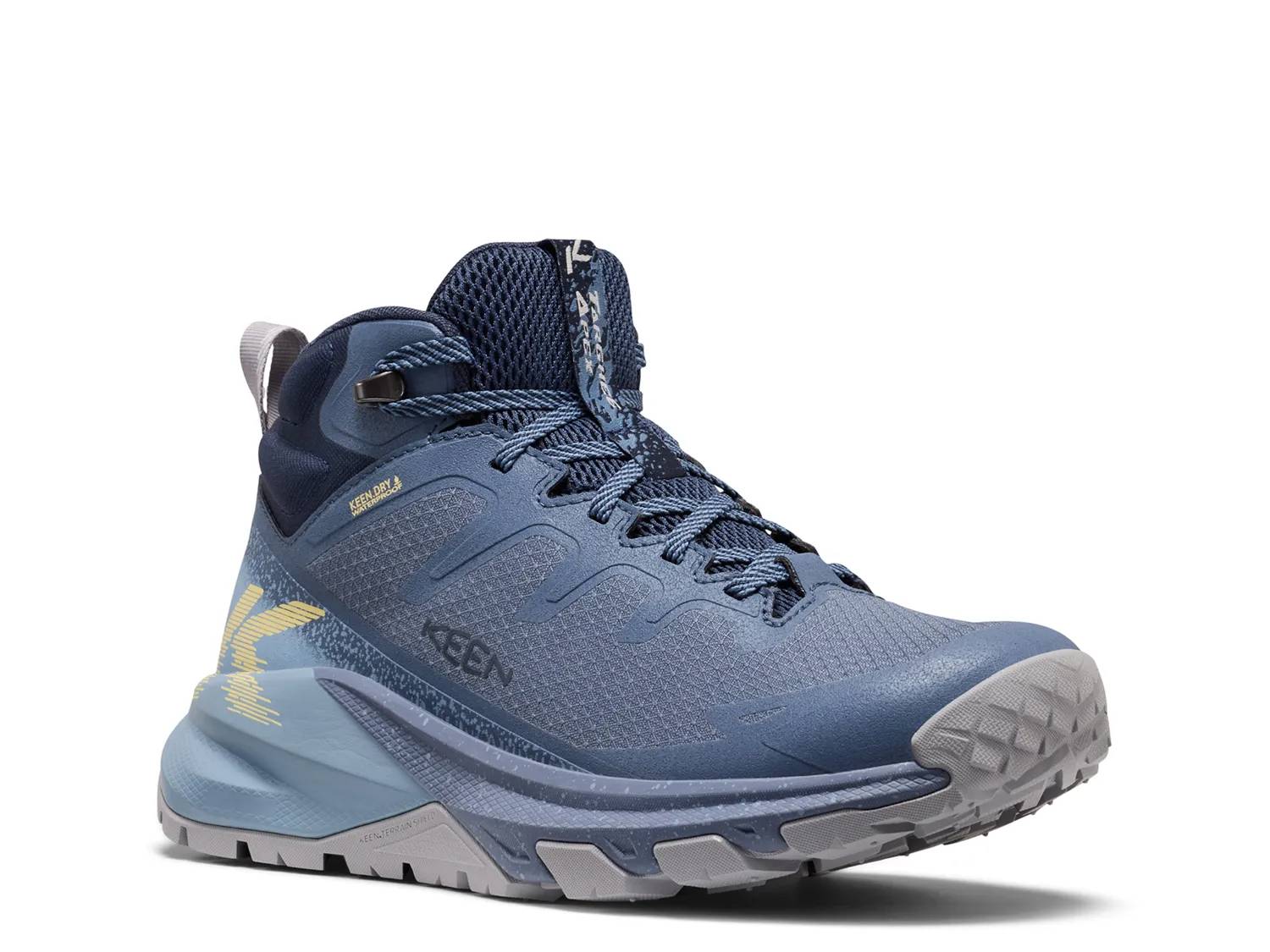
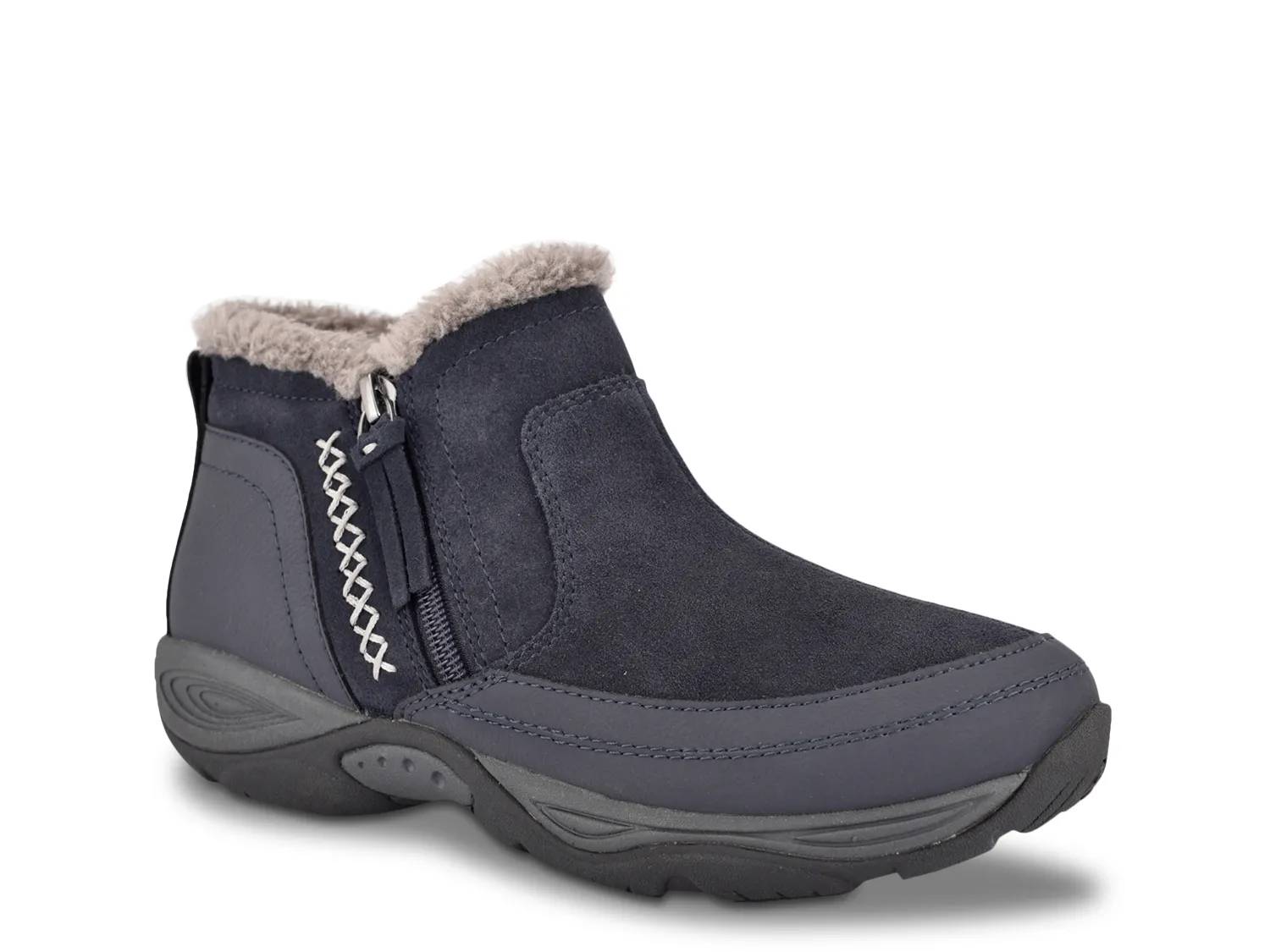
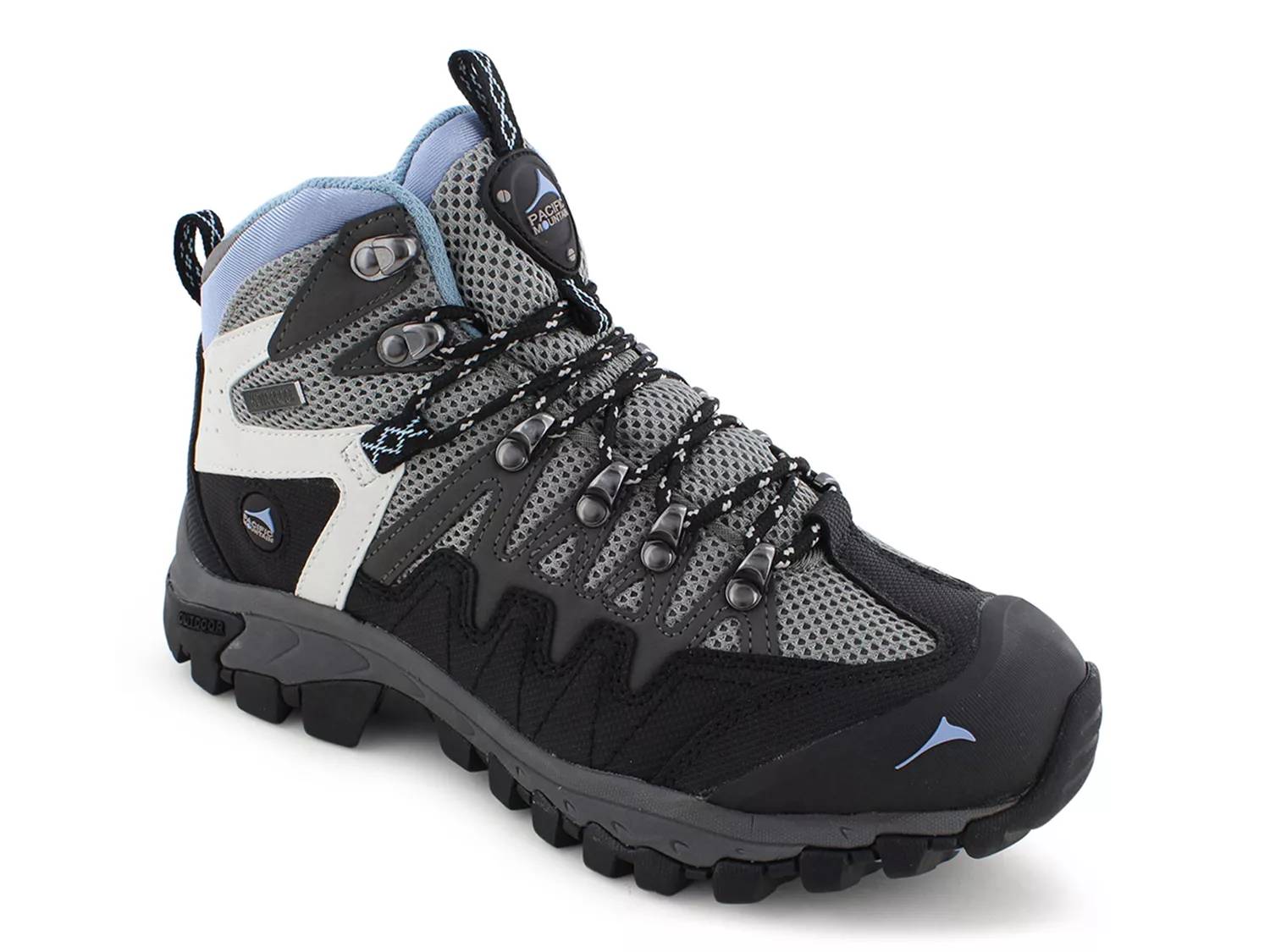
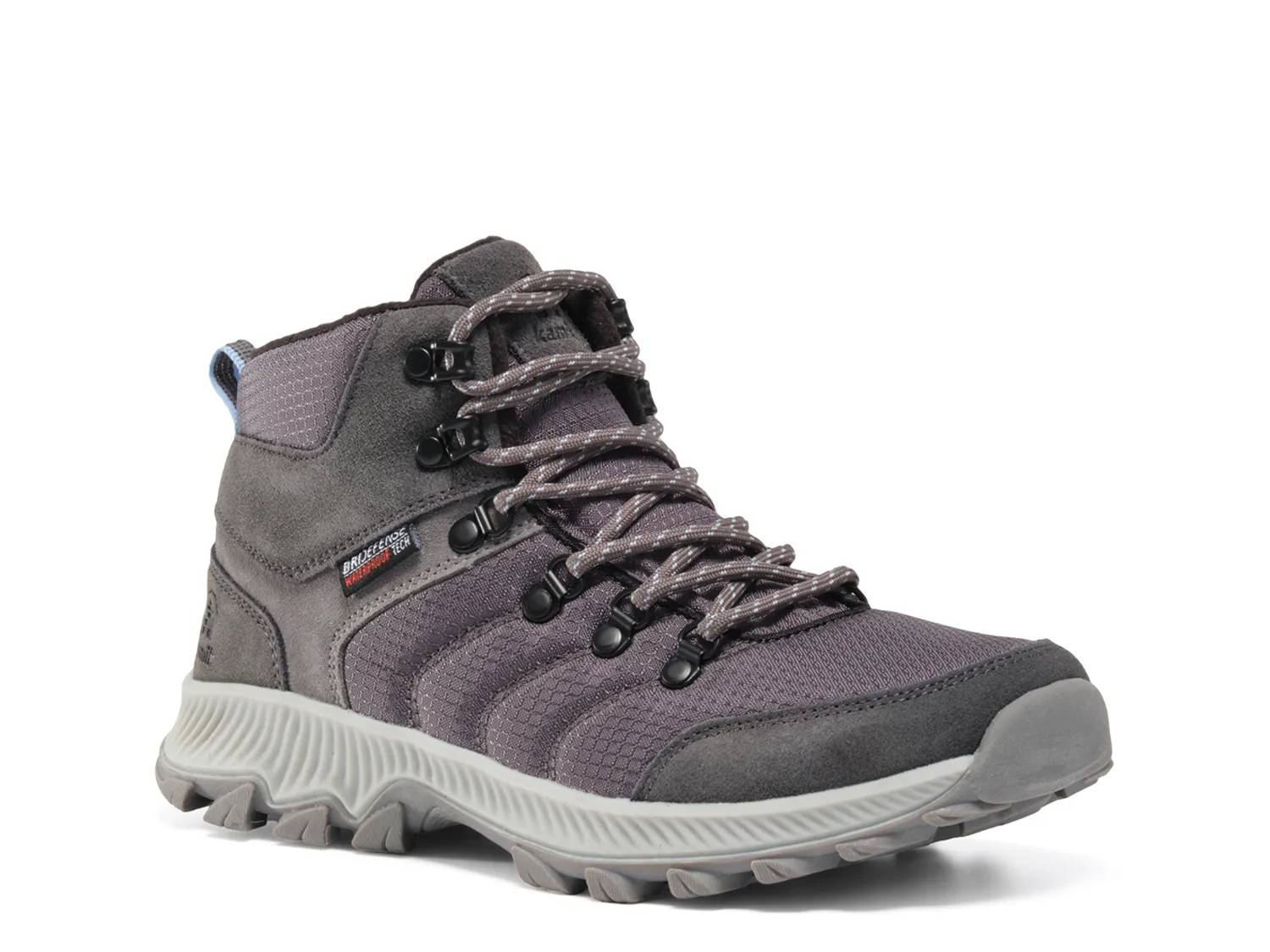
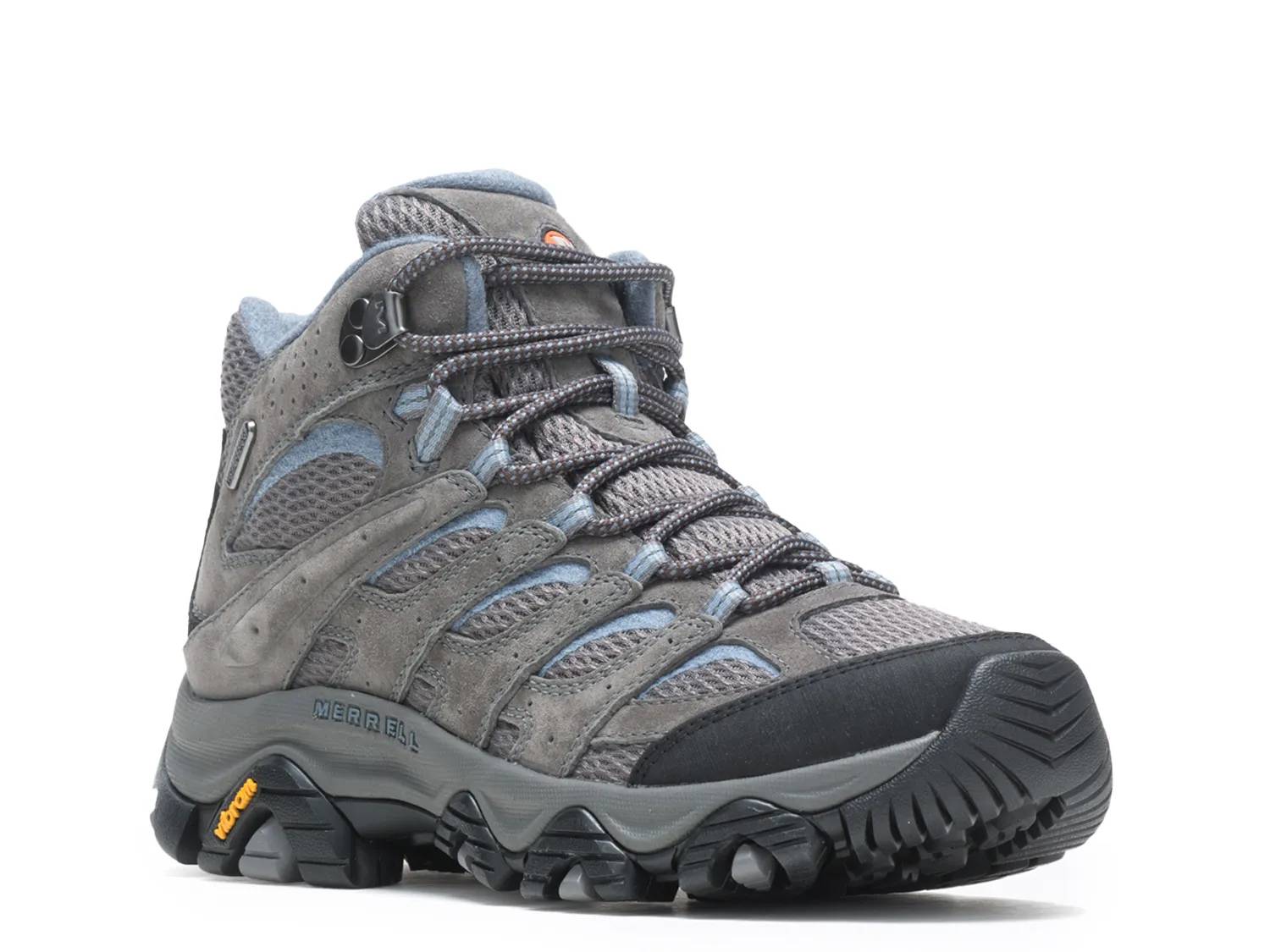
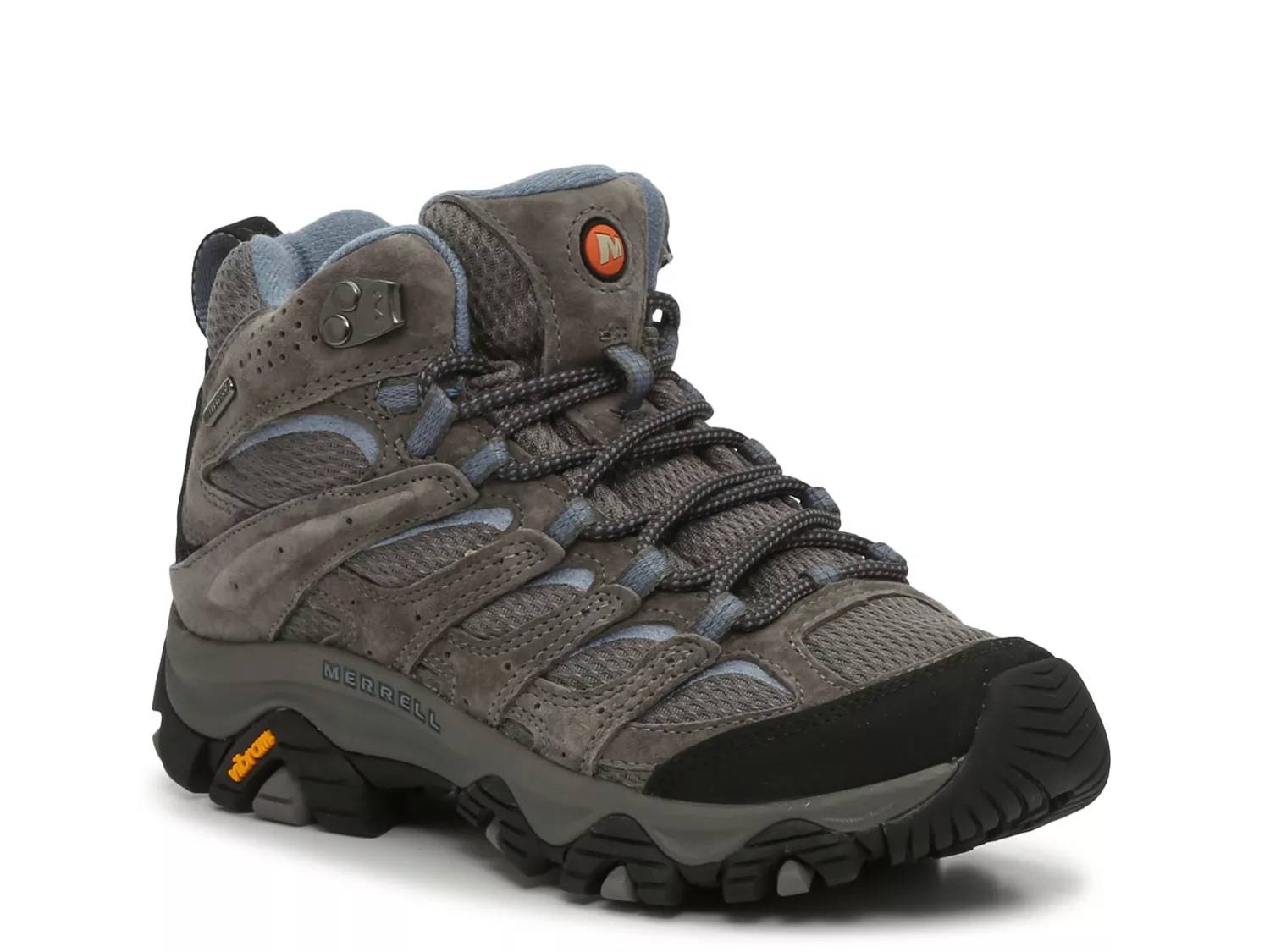
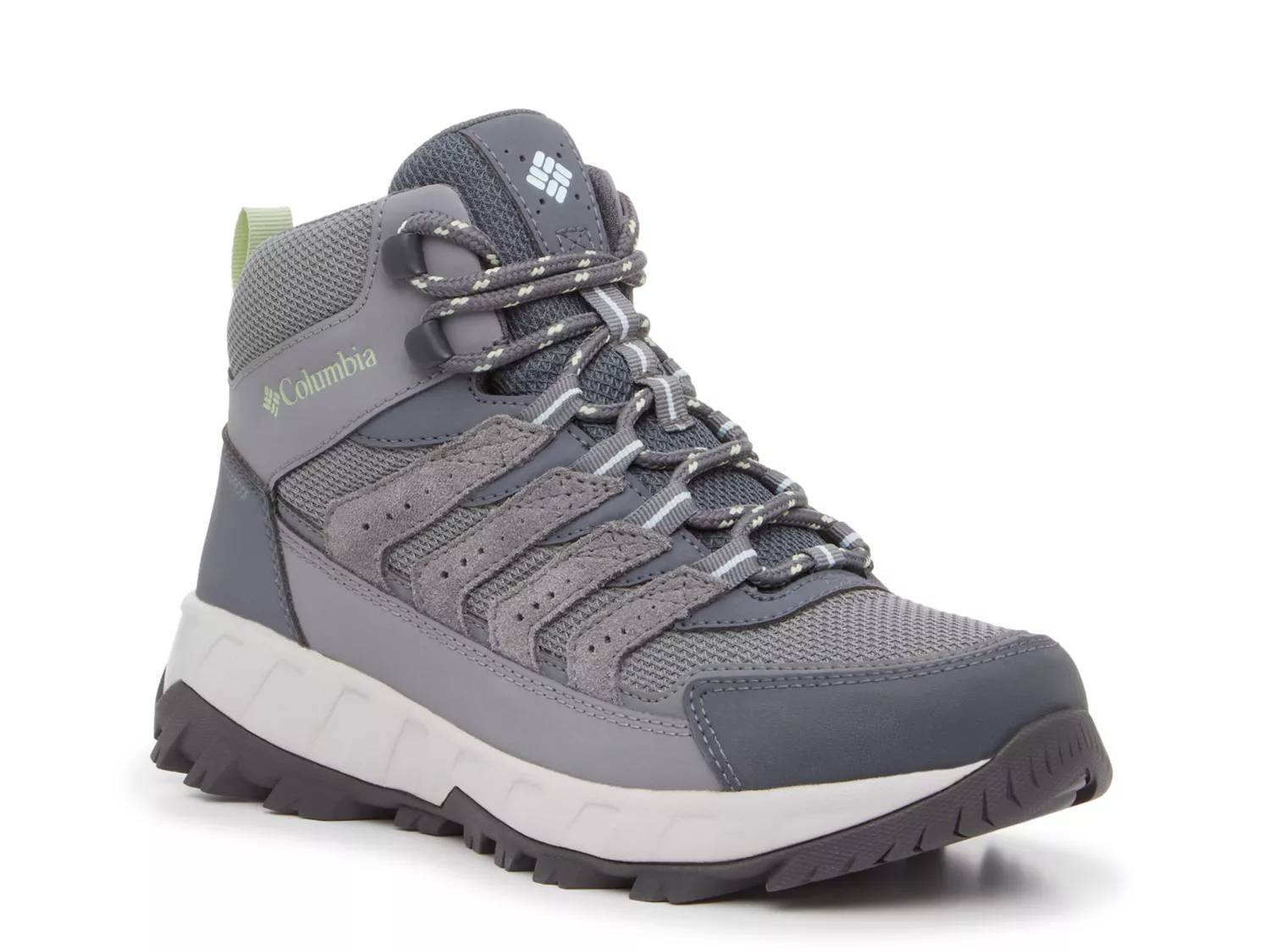
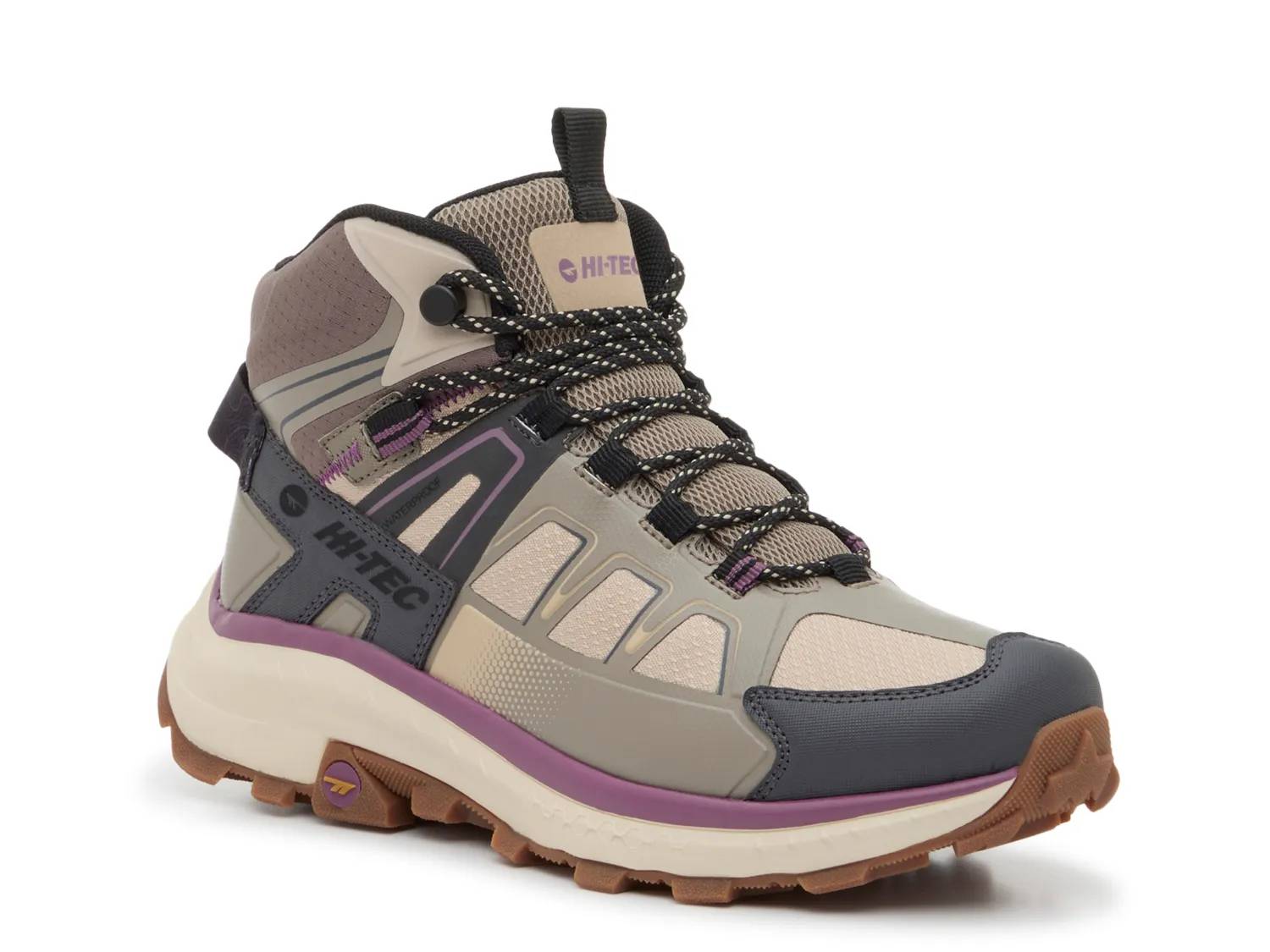
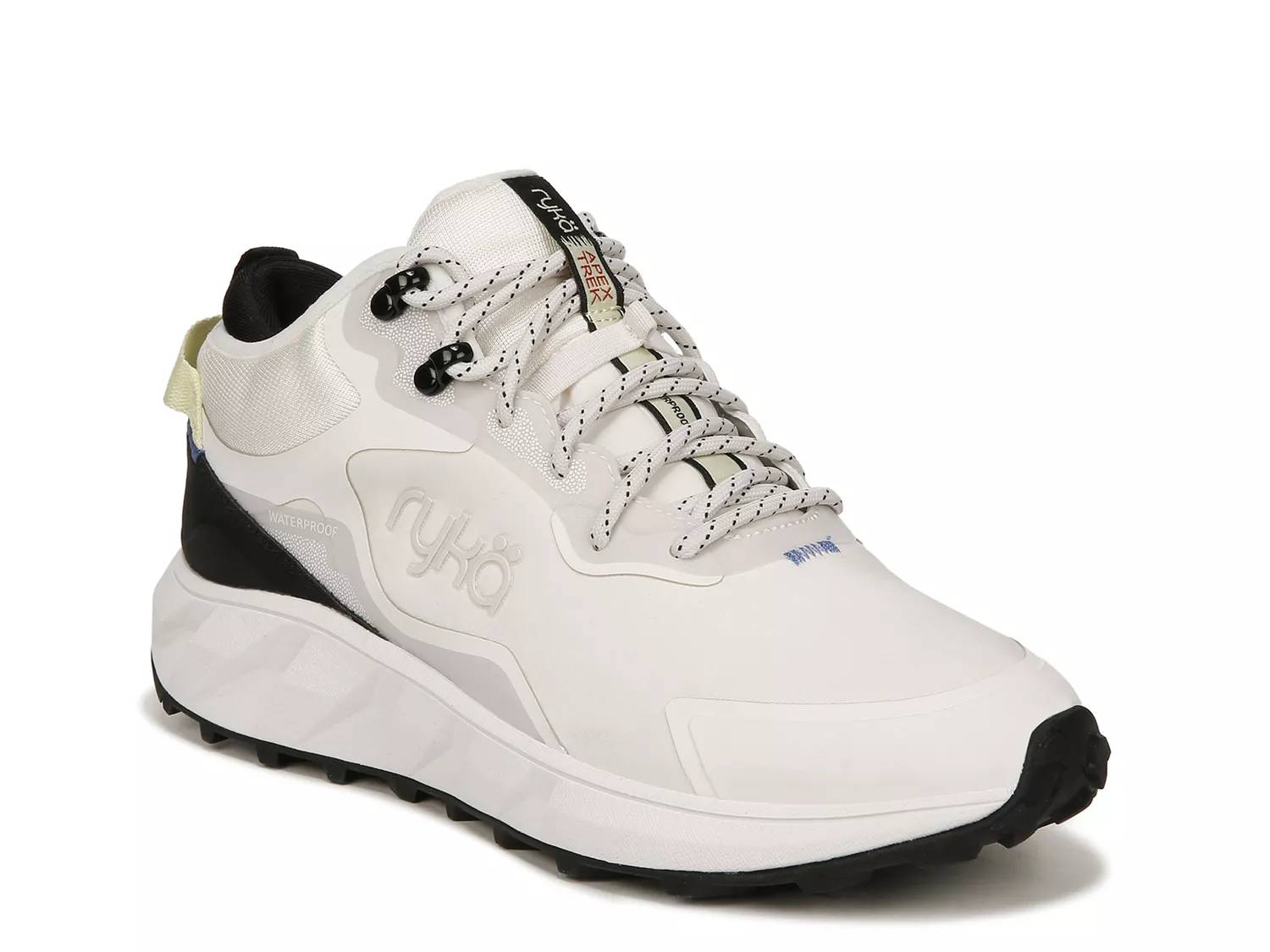
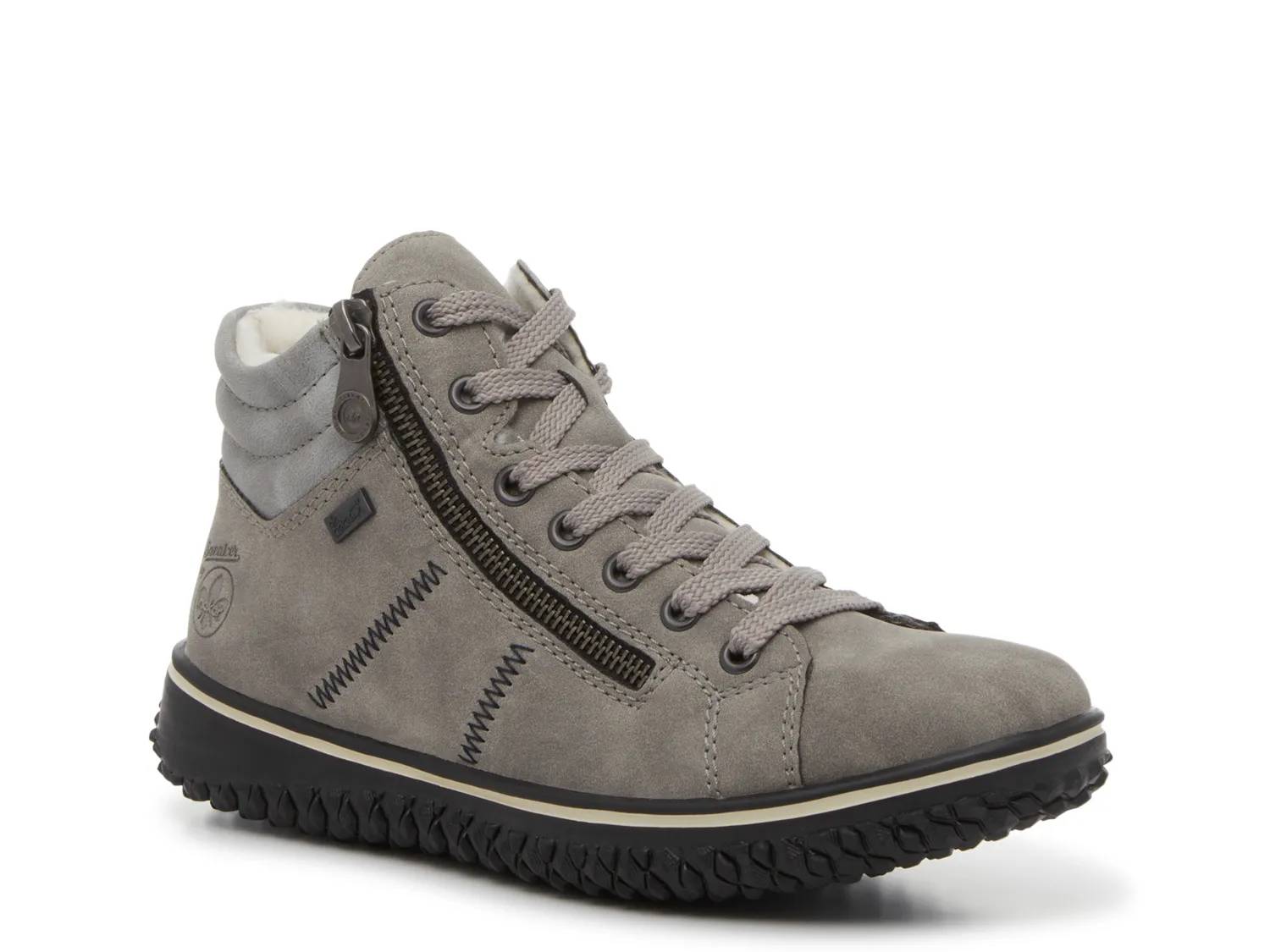
Shop Women's Hiking Boots Built for a Better Fit
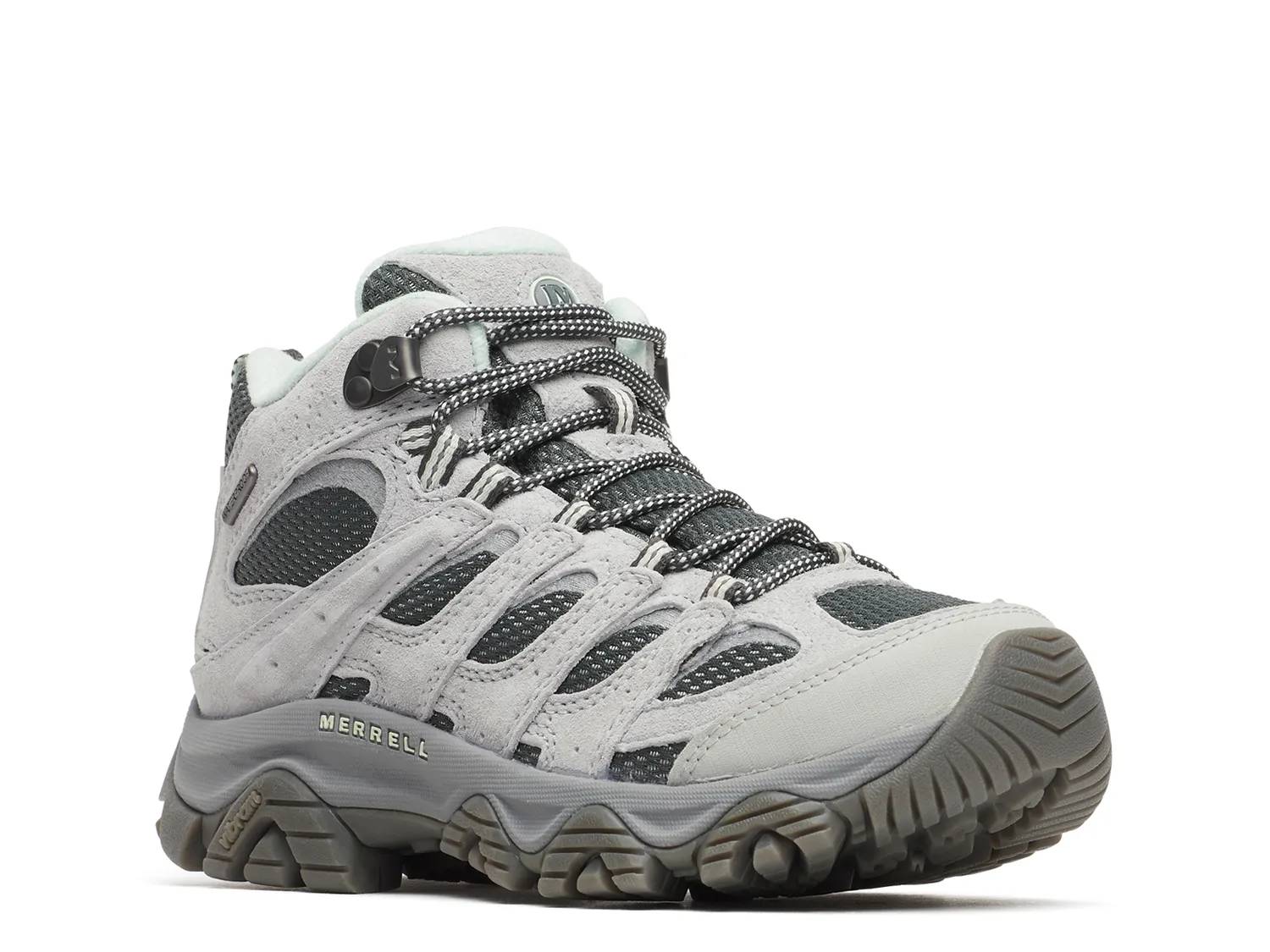
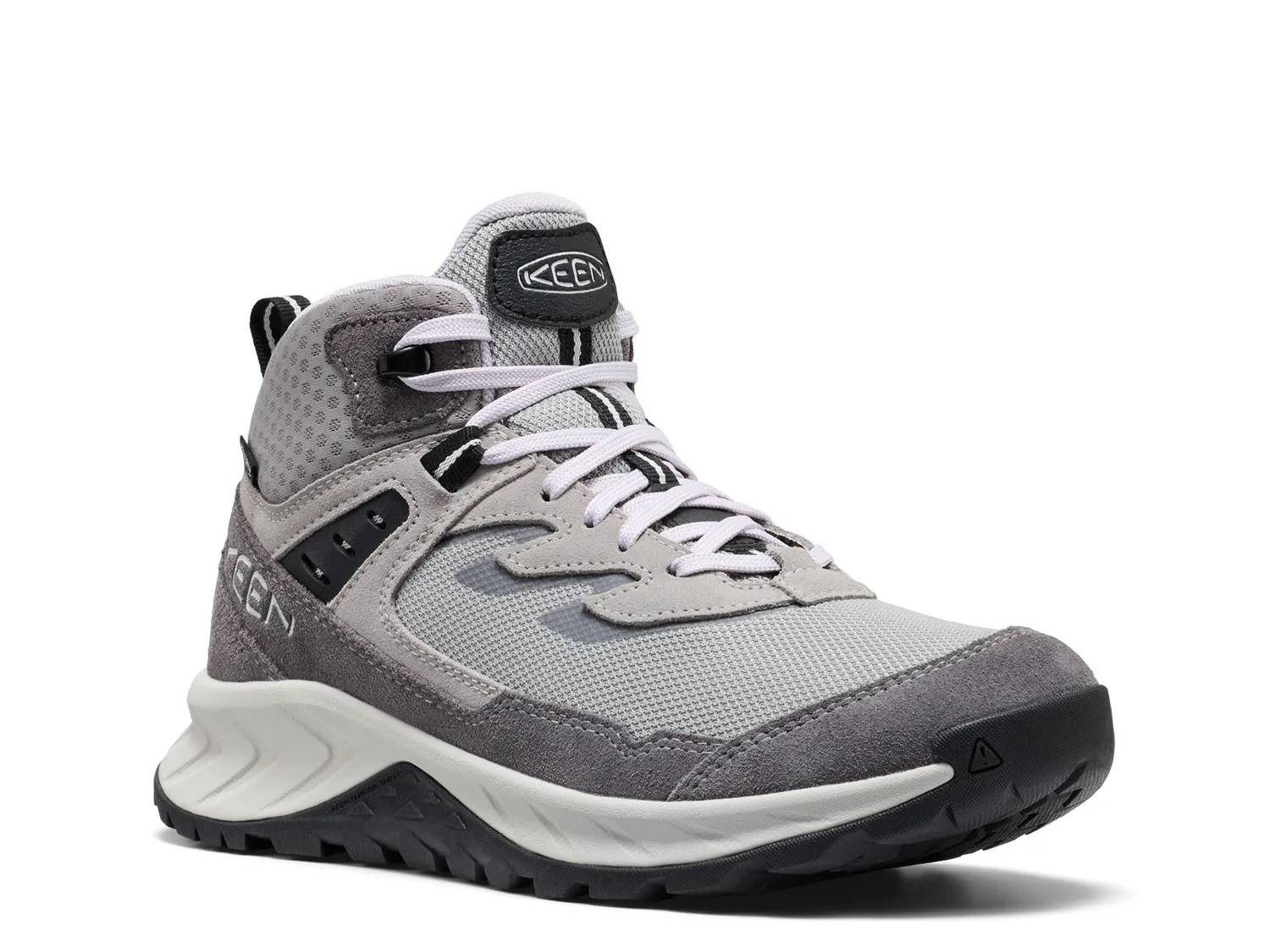
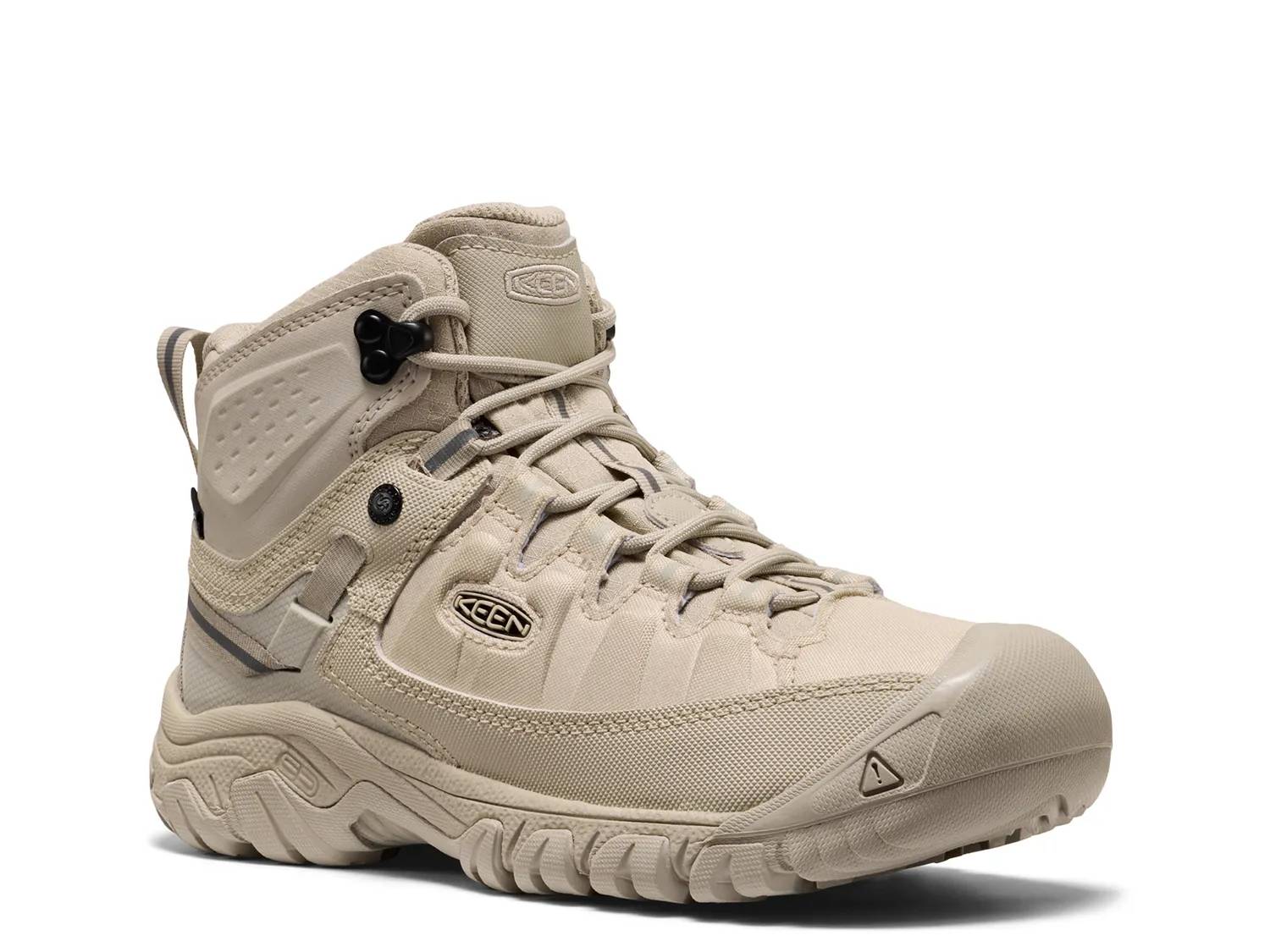
Women's hiking boots are often built with a narrower heel and lower-volume instep, which helps prevent the slipping and rubbing that causes blisters on long trails. Browsing the full boots collection is a good way to see the full range of options, from trail-ready mid-cuts to taller, more supportive styles. A snugger heel fit tends to matter most on descents, while a roomier toe box gives your foot space to swell over a long day.
What Goes Into a Well-Built Hiking Boot
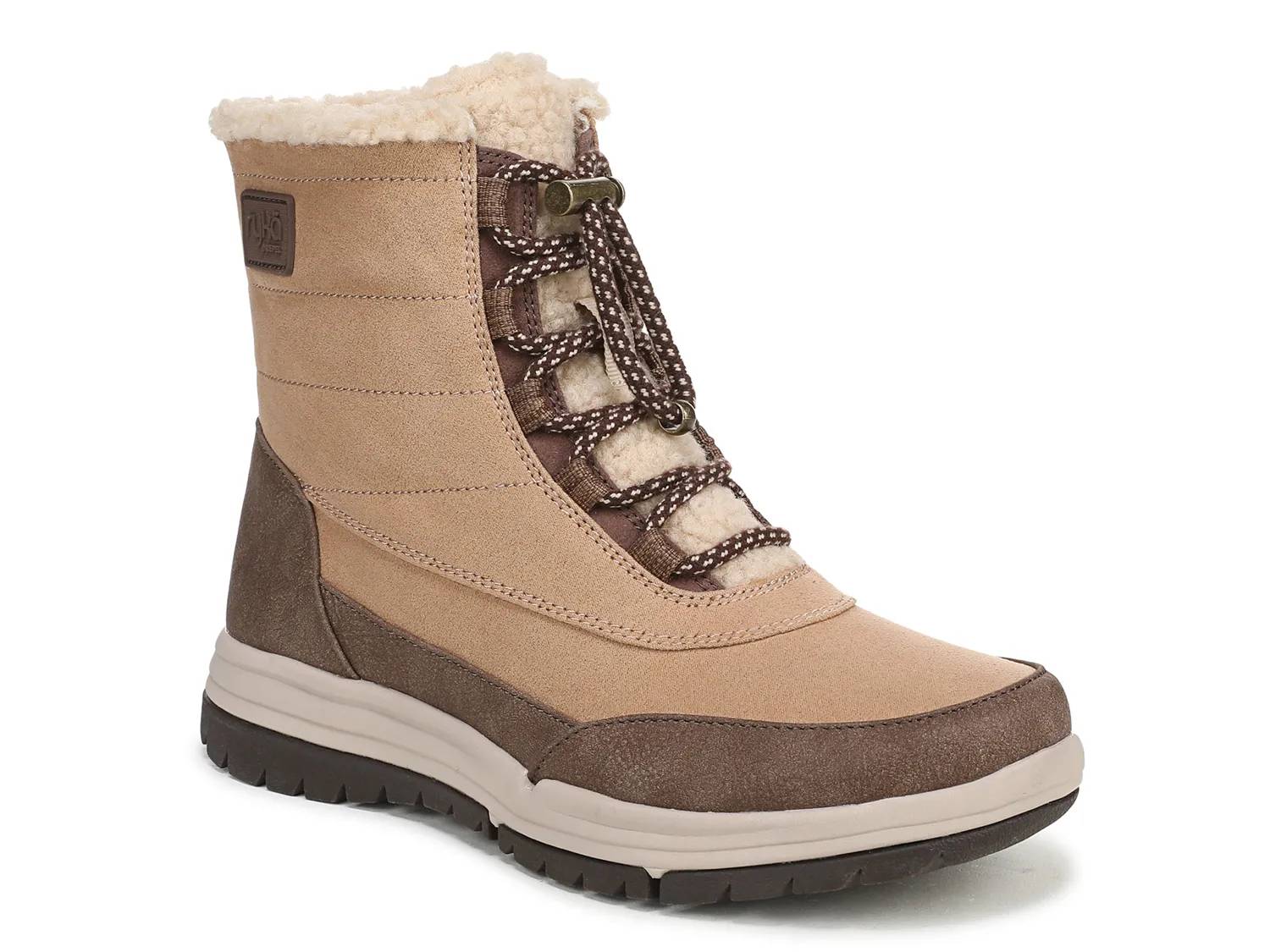
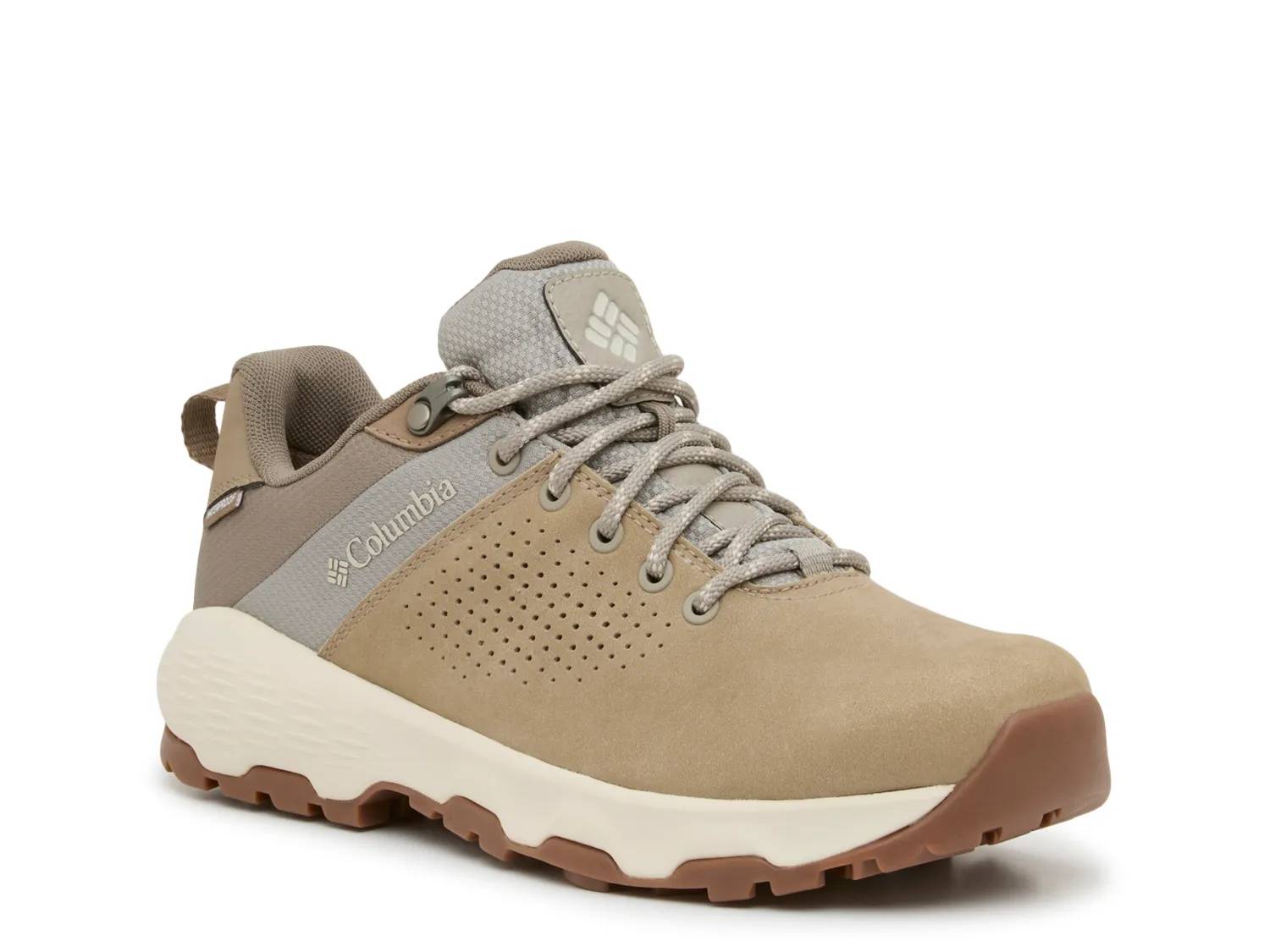
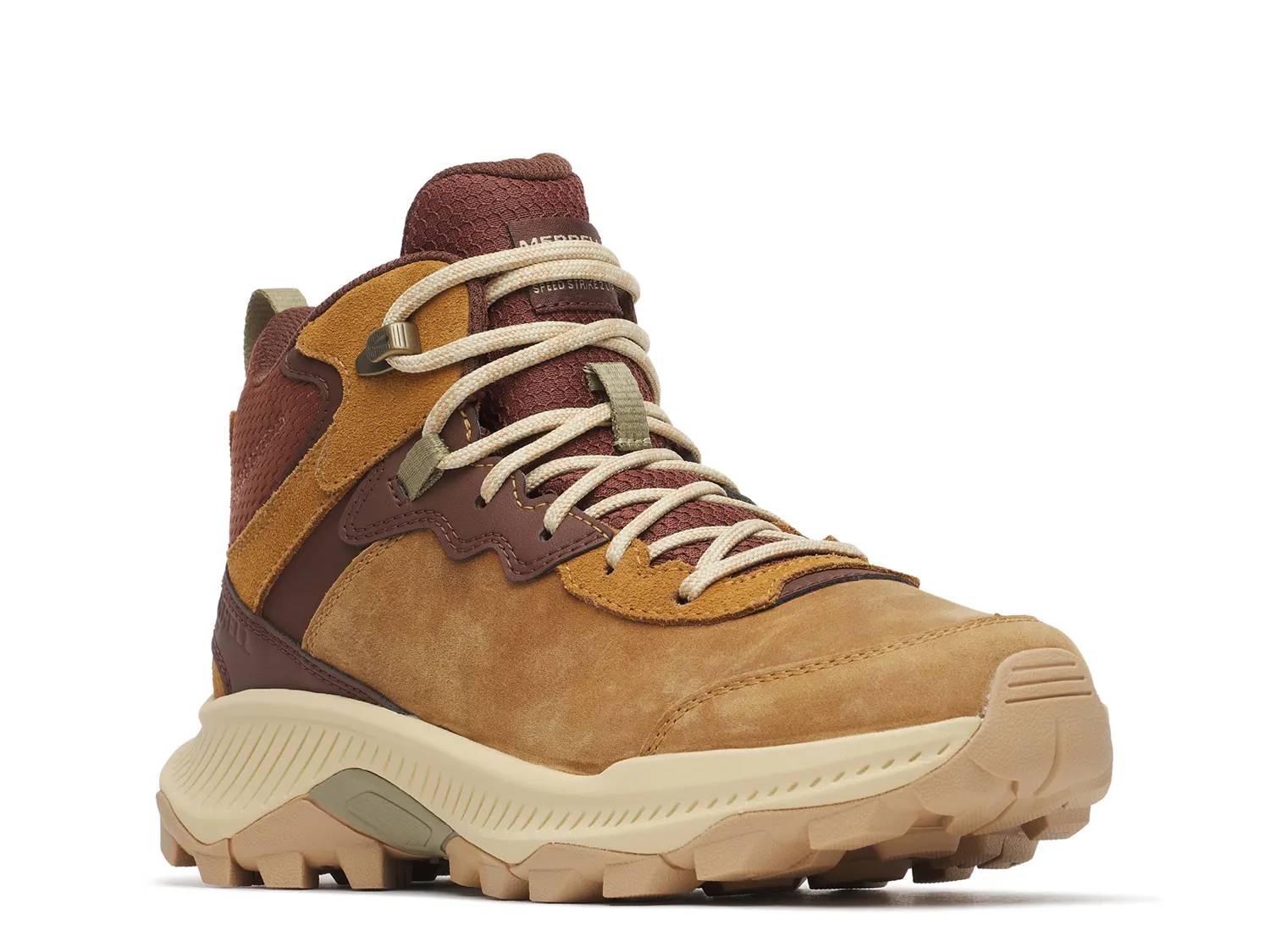
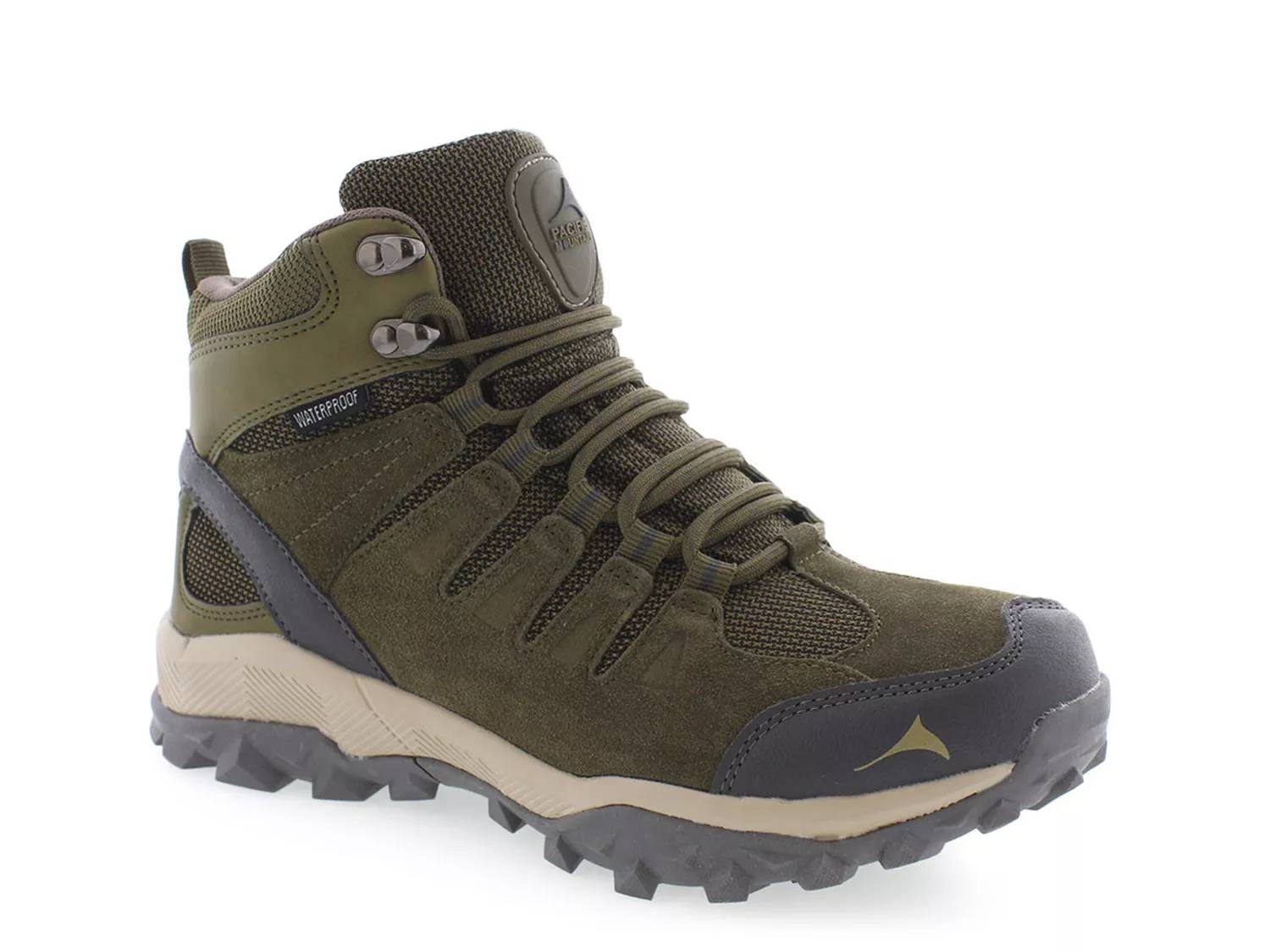
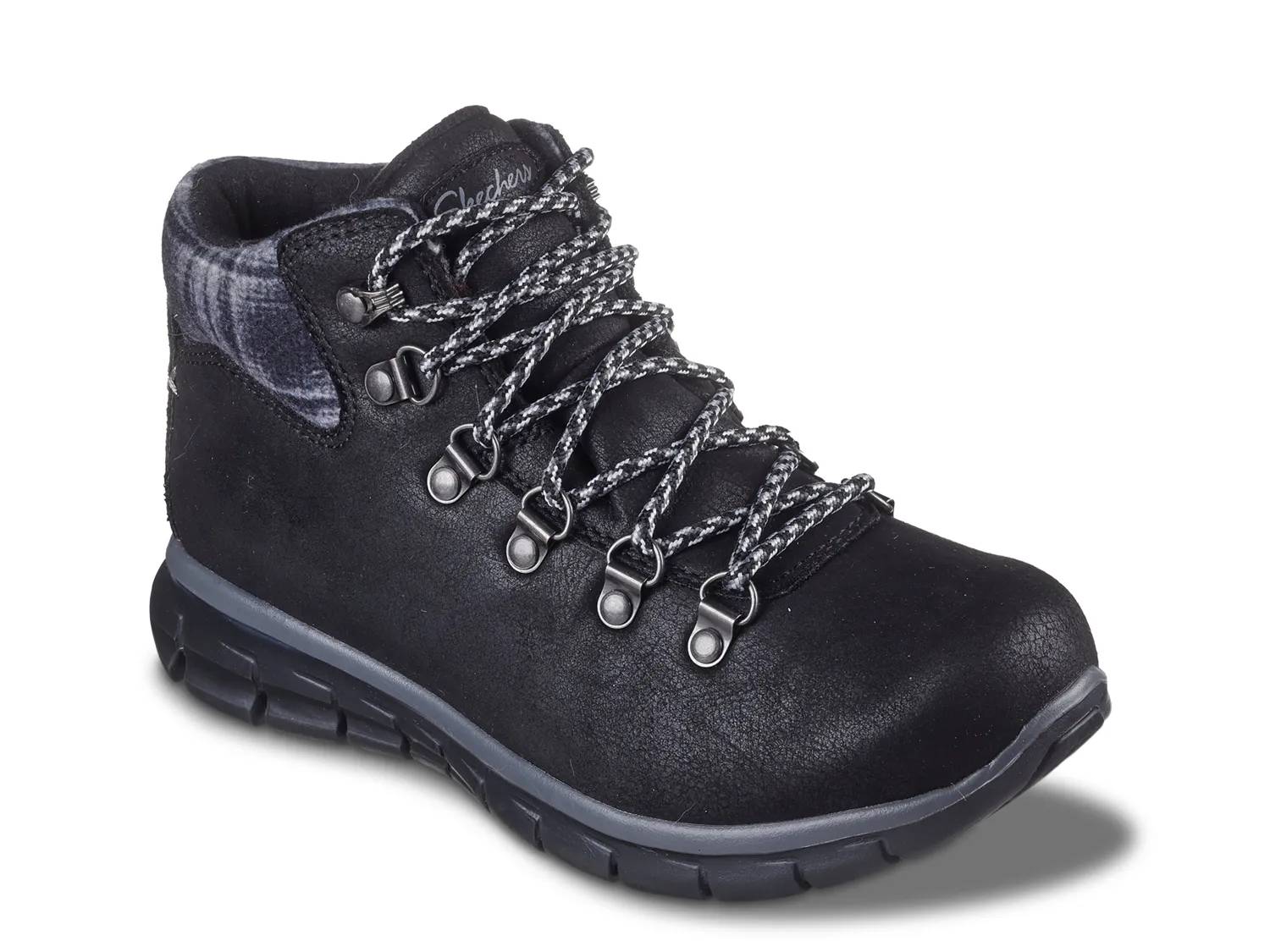
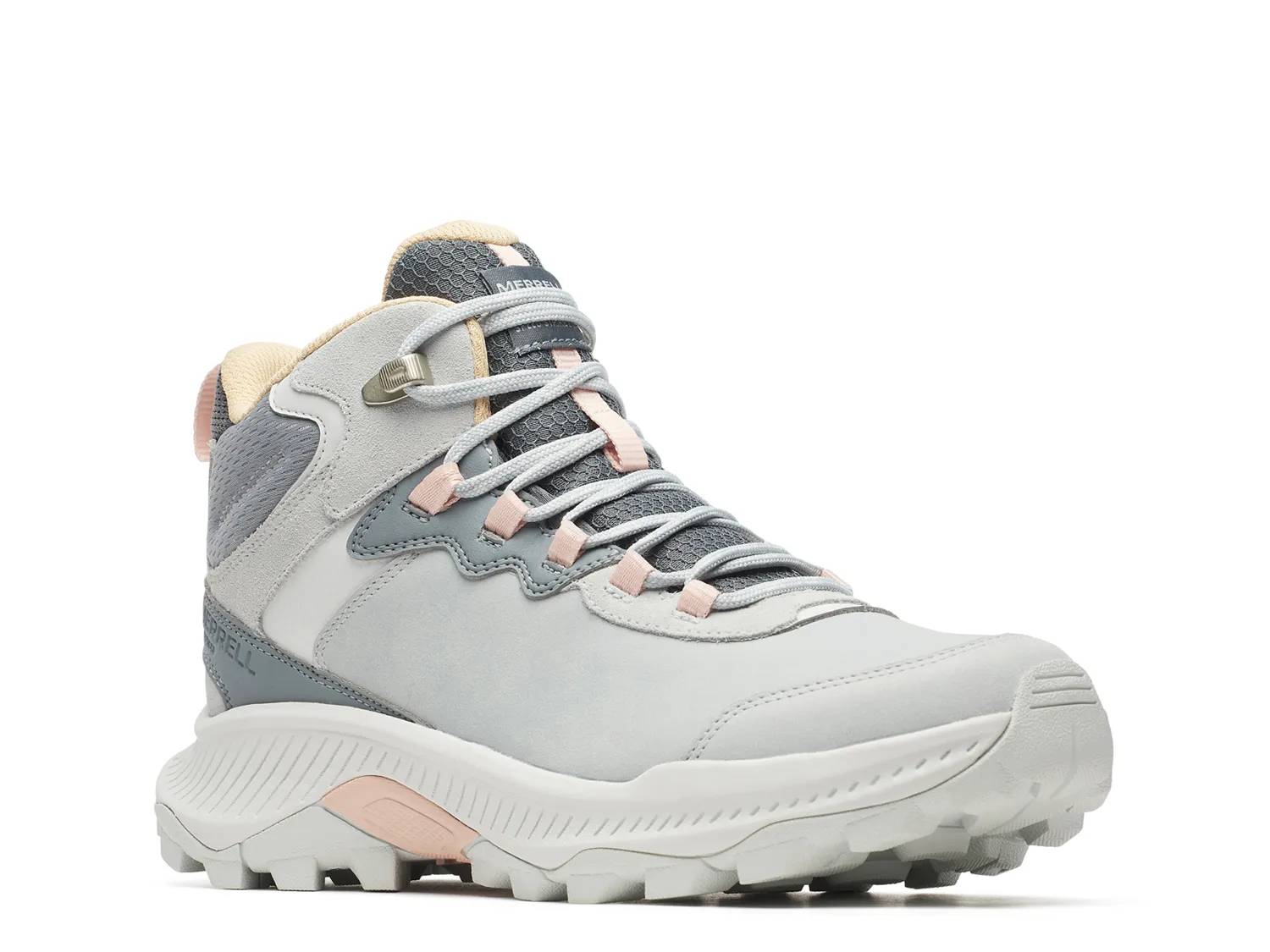
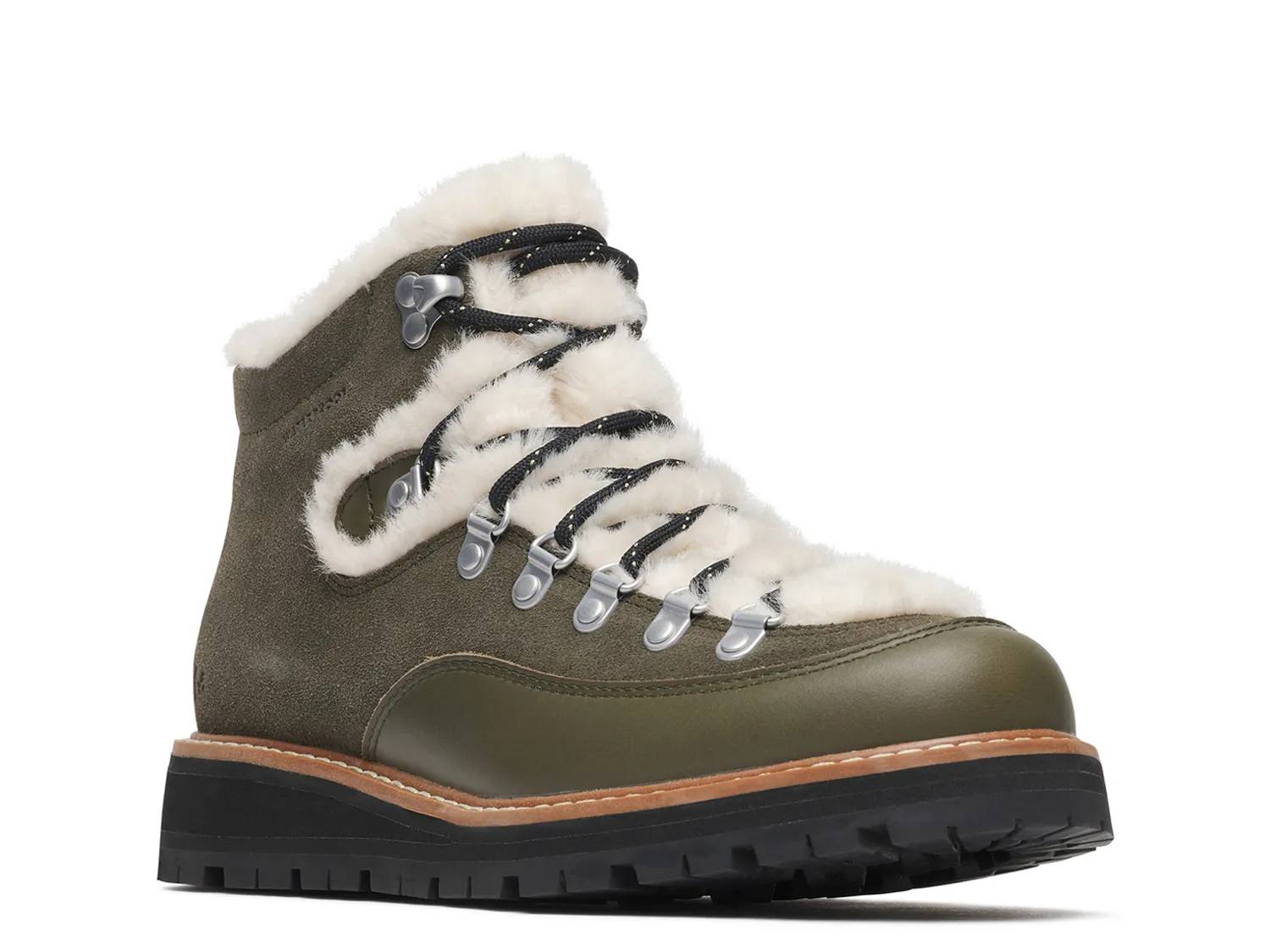
Construction changes a lot about how a hiking boot performs over time. A mid-cut boot balances support and flexibility for day hikes, while a high-cut boot adds more ankle stability for backpacking with a loaded pack. Insulated linings help on cold-weather hikes, while an uninsulated, breathable boot stays more comfortable in warmer conditions. A quick-lace closure makes it faster to get boots on and off at trailheads, compared to a traditional lace-up that offers a more customizable fit. For winter hikes especially, a boot built more like women's snow boots may offer more warmth than a standard hiking boot, even if it trades away a bit of trail-specific traction.
Hiking Boots for the Trail, Travel, and Everyday Wear
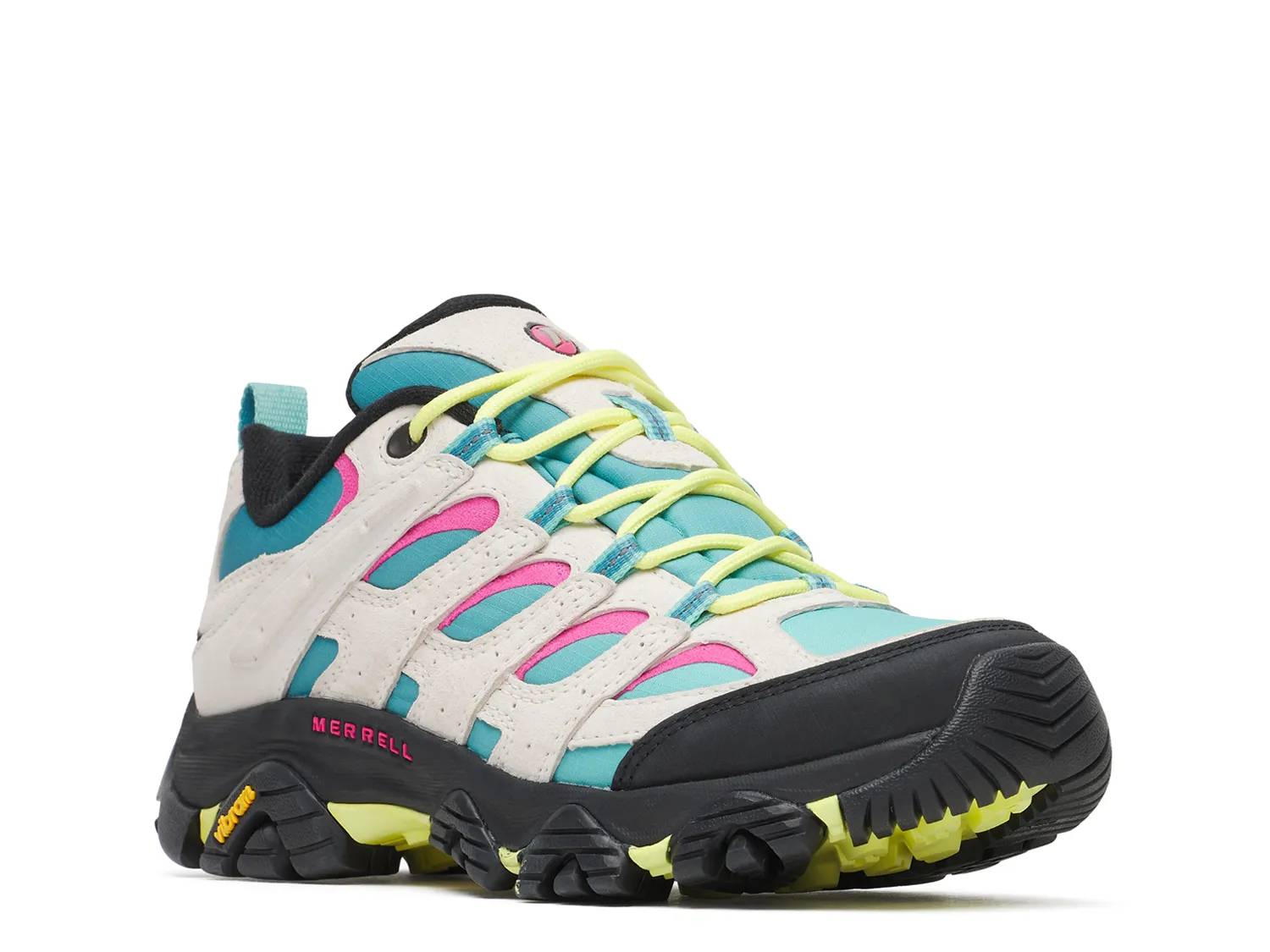
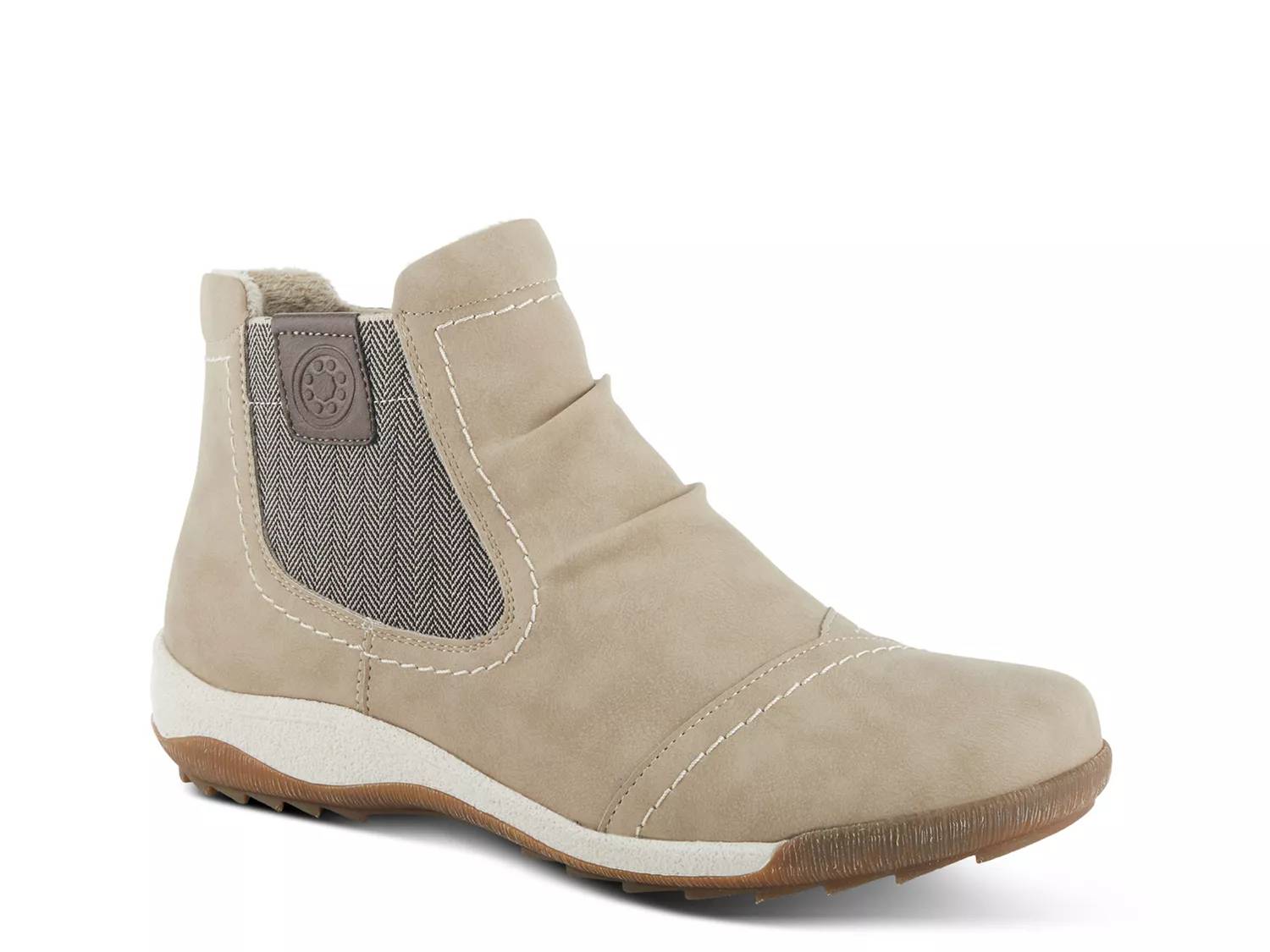
Where a hiking boot spends most of its time changes what actually matters most in one. A boot built for weekend trails needs more ankle support and traction than one meant for errands or travel days, and either pairs well with the right gear, like moisture-wicking socks from DSW's accessories shop, to help avoid blisters on longer days out.
- A few extras in the build tend to separate a trail-ready boot from an everyday one:
- A narrower heel cup keeps your foot from sliding forward on descents, which cuts down on rubbing at the back of the ankle
- An insulated lining adds warmth for cold-weather hikes without much added bulk
- A quick-lace or speed-hook closure makes it faster to adjust fit at trailheads than traditional eyelets
- A lower-volume instep leaves less extra space around the top of the foot, which helps prevent blisters over long miles
FAQs
How do I get a secure fit in women's hiking boots?
Look for a snug heel cup that doesn't let your foot slide forward on descents, since heel slippage is one of the most common causes of blisters on long hikes. Try boots on later in the day when your feet are slightly swollen, and always wear the socks you plan to hike in.
Is a mid-cut or high-cut hiking boot better?
A mid-cut boot offers more flexibility and works well for day hikes on moderate terrain, while a high-cut boot adds ankle support that's useful when carrying a heavier pack or hiking technical trails. Neither is universally better, since it depends mostly on the terrain and how much weight you're carrying.
Do I need insulated hiking boots?
Insulated boots help in cold, wet, or snowy conditions, but they can feel too warm and heavy for three-season hiking. If you're mostly hiking in mild weather, an uninsulated, breathable boot usually feels more comfortable over a full day.