
Best cross-training & workout shoes of 2026
Updated on July 17, 2026
Cross-training shoes are built to handle multi-directional movement, short sprints, lateral cuts, plyometrics, and weightlifting, whereas running shoes are optimized primarily for forward motion and longer distances. If your workouts mix HIIT, studio classes, weight training, and occasional treadmill intervals, you need a versatile shoe that balances a stable, low-to-medium platform for lifts with enough cushioning and flexibility for jumps and sprints. A dedicated running shoe is still the better call for longer runs, but for most gym and mixed-use sessions, a solid cross-trainer is a better investment. Below are the best options available at DSW, and guidance on finding the right fit.
At-a-glance comparison
| Shoe | Best for | Starting Price at DSW | Key feature | Shop Link |
| New Balance Fresh Foam 520 v9 Running Shoe | Best overall, versatile trainer for gym and short runs | $69.99 | Fresh Foam midsole, cushioned yet responsive for mixed sessions | New Balance 520 v9 |
| Brooks Ghost 17 Running Shoe | Best for HIIT, high-impact shock absorption | $98.98 | Plush protective cushioning for repeated landings | Brooks Ghost Running |
| Nike Run Defy Running Shoe | Best budget, studio classes & treadmill intervals | $64.96 | Affordable, lightweight cushioning for short runs and gym circuits | Nike Run Defy |
| Brooks Revel 8 Running Shoe | Best for agility & tempo intervals | $79.98 | Snappy, responsive midsole for quick movement | Brooks Revel 8 |
| Nike V5 RNR Sneaker | Best gym-to-street crossover | $59.98 | Stable platform with modern styling, gym-to-street ease | Nike V5 RNR |
| New Balance 460 v4 Running Shoe - Men's | Best budget (men), mixed gym work & short runs | $64.99 | Value-priced cushioning with a stable platform for general workouts | New Balance 460 v4 |
| Merrell Crosslander 3 Trail Shoe - Women's | Best for CrossFit and outdoor functional workouts | $59.99 | Rugged traction and outsole durability for uneven terrain | Merrell Crosslander 3 |
| PUMA Vikky v3 Sneaker - Women's | Best for studio and low-impact classes | $59.99 | Lightweight, low-profile build for nimble studio movement | PUMA Vikky V3 |
Our Top Picks
1. New Balance Fresh Foam 520 v9 Running Shoe, best overall
The New Balance Fresh Foam 520 v9 is a strong all-around option at a reasonable price. The Fresh Foam midsole balances cushioning and responsiveness, soft enough to absorb impact during box jumps and treadmill warm-ups, and firm enough to stay stable during dumbbell work. At $69.99, it offers good value for someone who wants one shoe for HIIT circuits, moderate lifting, and short cardio intervals.
The upper breathes well during sweaty sessions, and the platform is wide enough to feel stable without the bulk of a dedicated lifting shoe. If you're new to cross-training or want a reliable all-rounder, start here.
2. Brooks Ghost 17 Running Shoe, best for HIIT & shock absorption
Jump-heavy workouts stress the joints, and the Brooks Ghost 17 is designed to absorb repeated landings. Brooks' plush cushioning smooths out impacts from tuck jumps, burpee sets, and high-rep skipping, while still providing a smooth heel-to-toe transition for treadmill intervals between circuits.
Starting at $98.98, it's the priciest pick on this list, but the extra cushioning can be worth it if high-impact classes like HIIT or cardio kickboxing are a regular part of your schedule. The taller stack height makes it less ideal for heavy barbell work, so use careful form on lifts when pairing this shoe with strength days.
3. Nike Run Defy Running Shoe, best budget
Not everyone needs top-shelf tech to get a great workout. The Nike Run Defy delivers lightweight cushioning and a simple build at $64.96, which makes it a practical option for gym newcomers, studio-class regulars, and people who rotate shoes often.
It handles treadmill intervals and bodyweight circuits well, and the low weight keeps things nimble during lateral drills. If you train three to four days a week and want a shoe that performs without a big price tag, the Run Defy is a solid choice.
4. Brooks Revel 8 Running Shoe, best for agility & tempo intervals
Speed-focused sessions need a shoe that responds to quick feet, and the Brooks Revel 8 has a responsive midsole that supports fast transitions. Whether you're running ladder drills, shuttle sprints, or tempo intervals on the treadmill, the Revel 8 offers energy return without excess bulk.
At $79.98, it works well for athletes whose training emphasizes athletic performance rather than heavy lifting. The streamlined fit also makes it a good pick for group fitness classes with choreographed agility sequences.
5. Nike V5 RNR Sneaker, best gym-to-street crossover
If you go from the gym to errands or social plans, the Nike V5 RNR is designed for that use. Its stable platform handles light lifting and machine work, while the modern styling means you can wear it outside the gym without changing shoes.
Starting at $59.98, it balances versatility and aesthetics. It's not the right shoe for the heaviest training days, but for moderate gym sessions and an active daily routine, it covers a lot of ground.
6. New Balance 460 v4 Running Shoe, best budget men's option
Men seeking an affordable, dependable gym shoe should consider the New Balance 460 v4. Starting at $64.99, it offers solid cushioning and a stable platform for general workouts such as circuit training, rowing, elliptical sessions, and light free-weight work.
New Balance models often accommodate wider feet, which makes the 460 v4 a good option for athletes who need extra room. It won't replace a dedicated lifting shoe for serious barbell work, but for everyday mixed gym use, it's hard to beat at this price.
7. Merrell Crosslander 3 Trail Shoe - Women's, best for outdoor workouts
Outdoor boot camps, park circuits, and obstacle-style training demand grip and durability that gym shoes can't always provide. The Merrell Crosslander 3 has a rugged outsole with aggressive traction that grips dirt, gravel, and wet grass, useful for sled pushes, hill sprints, and uneven-terrain workouts.
At $59.99, it is also the most CrossFit-suitable option in this lineup thanks to its lower profile, durable construction, and ground-contact feel. If your training happens outside more often than inside, this is the shoe to grab.
8. PUMA Vikky v3 Sneaker - Women's, best for studio & low-impact classes
For barre, Pilates-inspired cardio, dance fitness, and other low-impact group classes, the PUMA Vikky v3 offers a lightweight, low-profile platform that lets you feel the floor without sacrificing comfort. At $59.99, it is an affordable studio companion that doesn't weigh you down during quick footwork and balance-focused movements.
The slim build keeps things nimble, though it doesn't offer the cushioning or lateral reinforcement needed for heavy lifting or high-impact jumping. It is a specialist, good for its lane and priced low enough to sit alongside a sturdier trainer in your rotation.
What to Look for in a Cross-Training Shoe
Choosing the right cross-trainer comes down to a few decision points. Understanding where your workouts fall on each spectrum will narrow your search quickly.
Platform stability vs. flexibility
A firmer, wider midsole with a stiffer torsional response helps during heavy lifts and single-leg balance work. If your sessions feature squats, deadlifts, or barbell movements, look for a wide base under both the forefoot and heel. More bend and a softer forefoot make lunges, burpees, and plyometrics feel natural. If agility and HIIT dominate your routine, prioritize forefoot flexibility.
Heel-to-toe drop
Low drop (0–6 mm), keeps you closer to the ground, which is ideal for lifts and balance-focused training.
Moderate drop (6–10 mm), adds a bit of heel lift that cushions running and jumping, which is better for mixed workouts that include treadmill intervals.
Lateral support and heel containment
Cross-training demands side-to-side stability that forward-motion running shoes don't always provide. Look for reinforced sidewalls, a snug midfoot cage, or a structured heel counter to reduce excessive roll during lateral cuts, shuffles, and agility drills.
Breathability and upper fit
Mesh or engineered knit uppers promote airflow during sweaty sessions. Pay attention to toebox shape—some shoes taper, others allow more room for toe splay. This affects comfort during loaded movements and dynamic exercises alike.
Fit is personal, and specs on a page only tell part of the story. DSW's in-store shoe associates can help you test stability and flexibility through movement-based fit tests like squats, lateral shuffles, and jumps. If you can, try your top picks in-store; squat, do a lateral shuffle, and jump before committing. Buying online? DSW's return policy lets you swap sizes or models if the fit isn't right.
Browse the full selection of athletic shoes and sneakers at DSW.
FAQs
Can I use running shoes for cross-training and gym workouts?
Yes, many running shoes, especially those with a stable, wider platform, can double as gym shoes for short runs, HIIT, and light lifting. For heavy lifting or CrossFit-style programming, you may prefer a lower-stack, firmer trainer built for lateral stability. Several picks on this list are running-origin shoes that perform well in mixed-use gym settings.
How do I decide between a low-drop and a higher-drop shoe for the gym?
Choose low drop (0–6 mm) if your sessions emphasize heavy lifting and balance work. Choose moderate drop (6–10 mm) if you mix a lot of running and jumping into your workouts. Most cross-trainers fall in the moderate range to cover both bases.
What's the most important fit feature for cross-training?
A secure midfoot and heel lockdown to prevent sliding, combined with enough forefoot room to splay your toes for balance. Test both by doing short squats and lateral steps in the shoe before you buy, or take advantage of DSW's return policy if ordering online.
Are cushioned trainers better for HIIT?
Cushioning helps absorb the impact of repeated jumps and high-impact moves, but too much stack height can reduce stability during lifts. For mixed HIIT and strength days, look for a shoe that balances cushioning with a stable base.
How should I size my cross-trainers?
Start with your normal athletic shoe length, check the brand's size chart, and try on with the socks you'll actually train in. Feet swell during workouts, so a snug-but-not-tight fit at purchase will feel right under load.
How often should I replace cross-training shoes?
Replace them when cushioning and support noticeably degrade. Common guidance for road-running shoes is every 300–500 miles. For mixed gym shoes, watch for midsole compression, outsole wear patterns, or any loss of lateral support—these are signs the shoe is no longer doing its job.
I do outdoor bootcamp workouts. What should I pick?
Choose a shoe with a durable outsole and grippy tread designed for uneven surfaces. The Merrell Crosslander 3 is the outdoor-focused option in DSW's current inventory, with rugged traction built for dirt, grass, and trail-based circuits.
This guide is part of DSW's buyer's guide series. For more picks, see our guides to the best running shoes and best walking shoes, or explore the full DSW articles hub for more shoe advice.
Stay (style) inspired
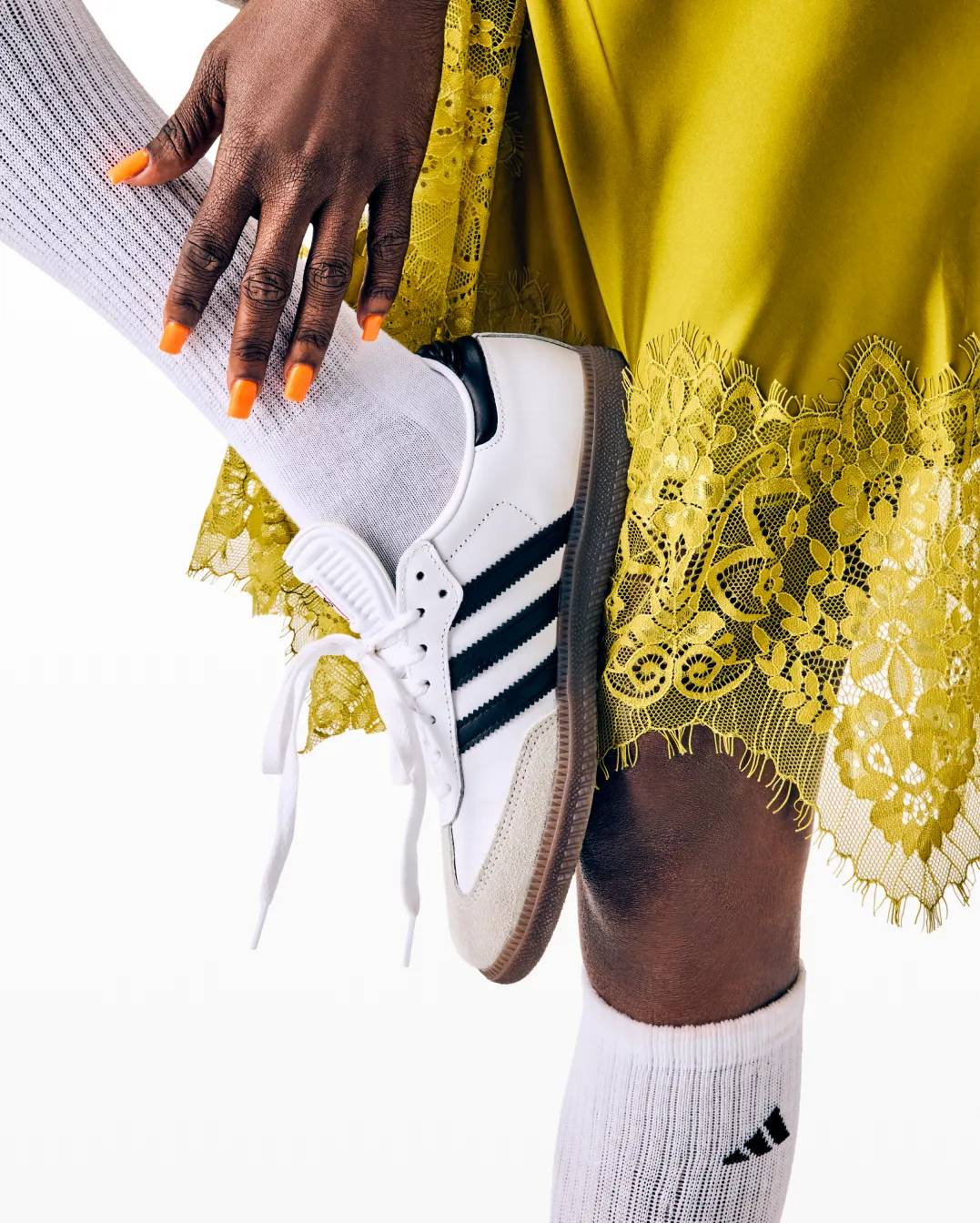
PSA: Adidas Samba Indoor at DSW
The iconic Samba is already everywhere. See why it still stands the test of time.
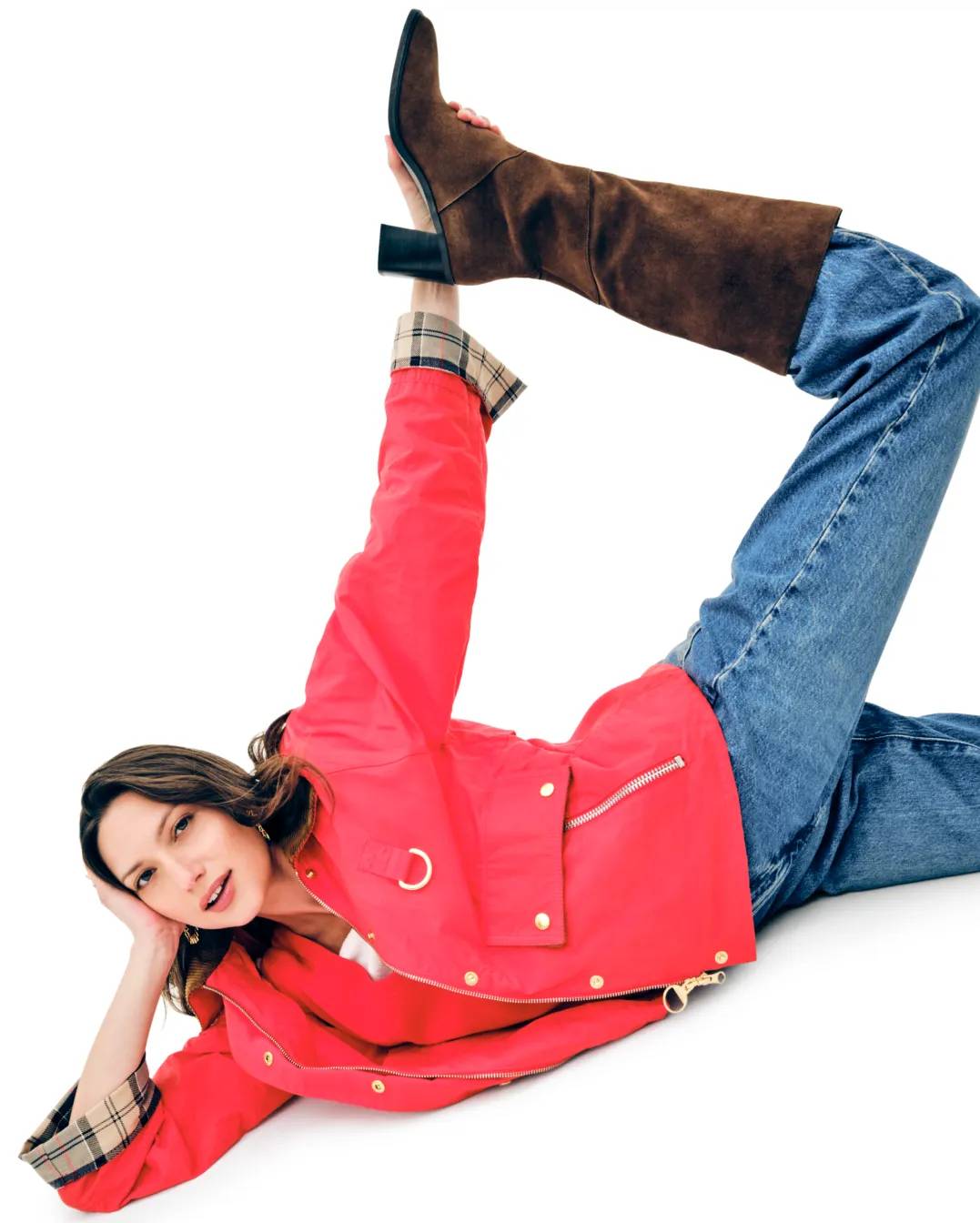
DSW Trend Alert: Shades Of Brown
Show some love to fall’s full color palette—starting with brown. Elevate your style with rich tones and must-have accessories.
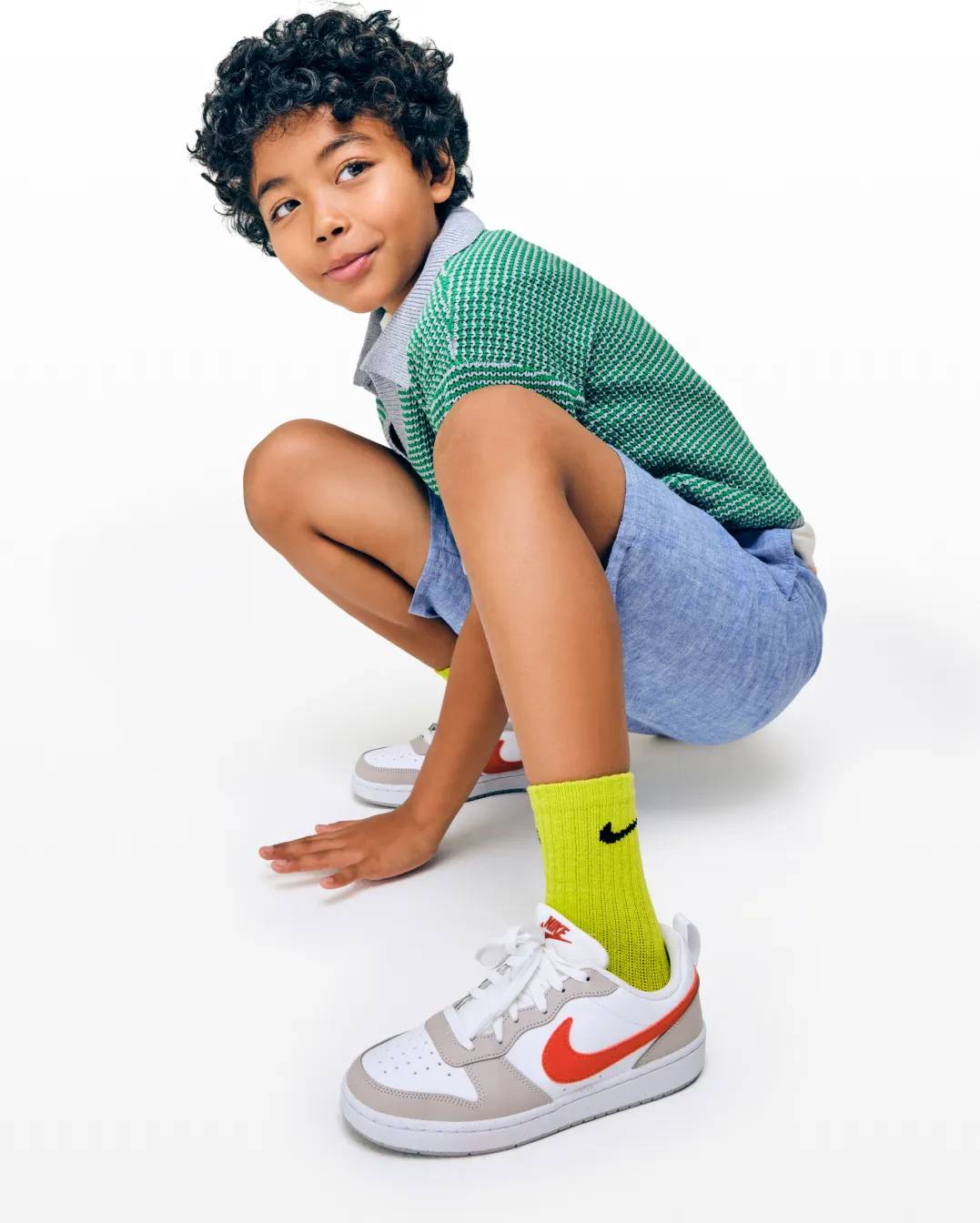
Kids’ shoe size guide
Find the perfect fit for your little ones.
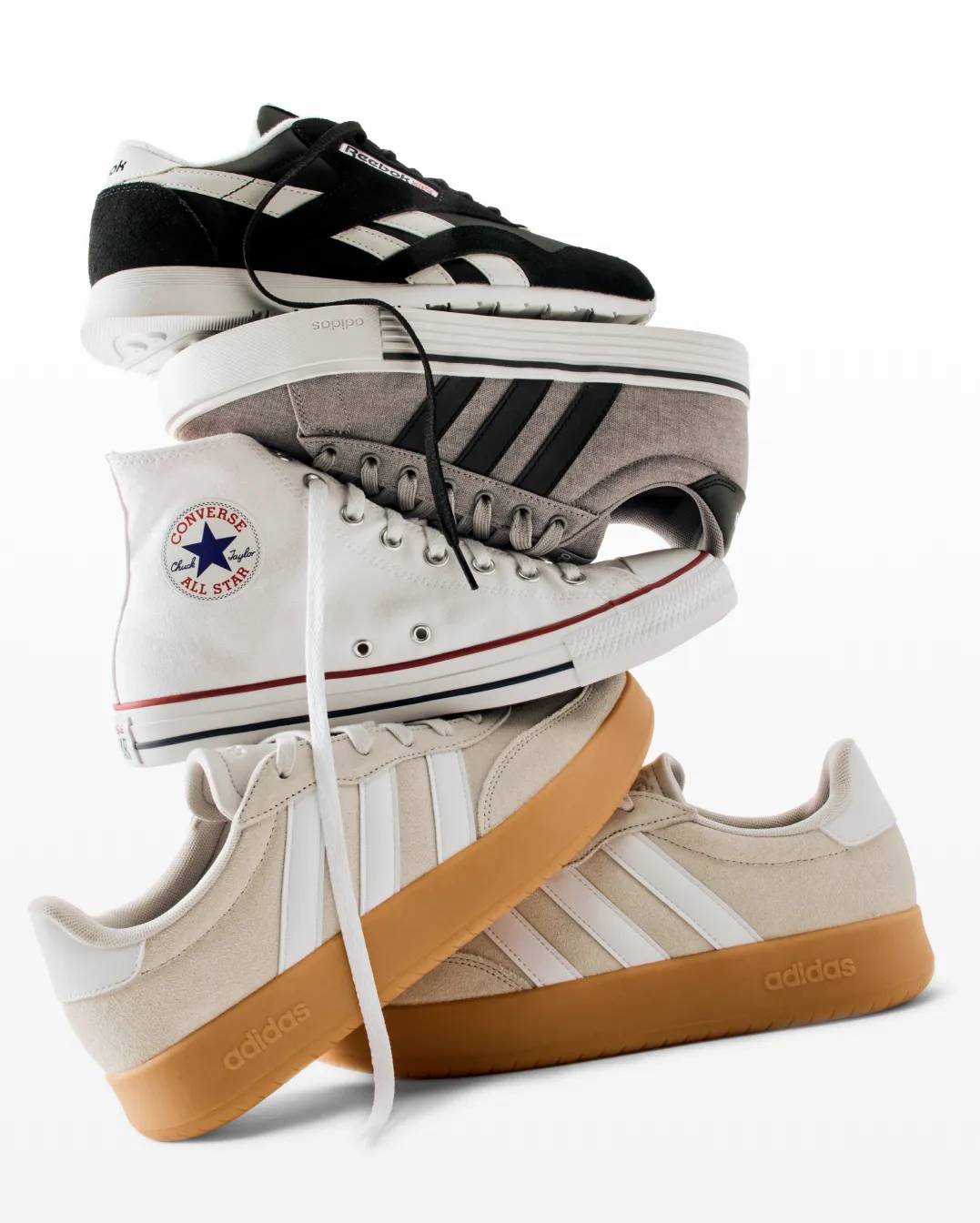
Shop by fit
How Should a Shoe Fit?
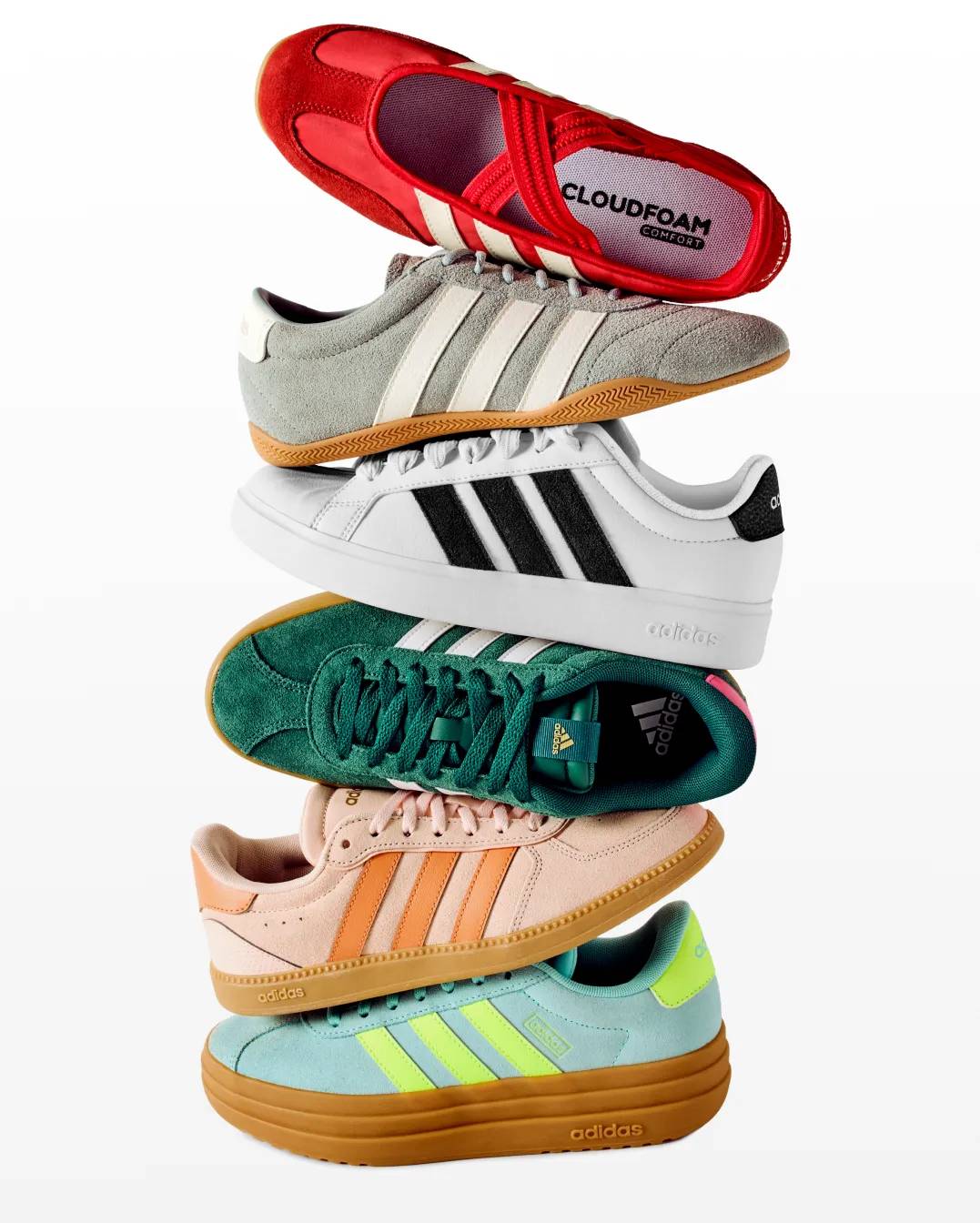
Types of fashion sneakers
Your go-to guide for all the sneaker styles you need.
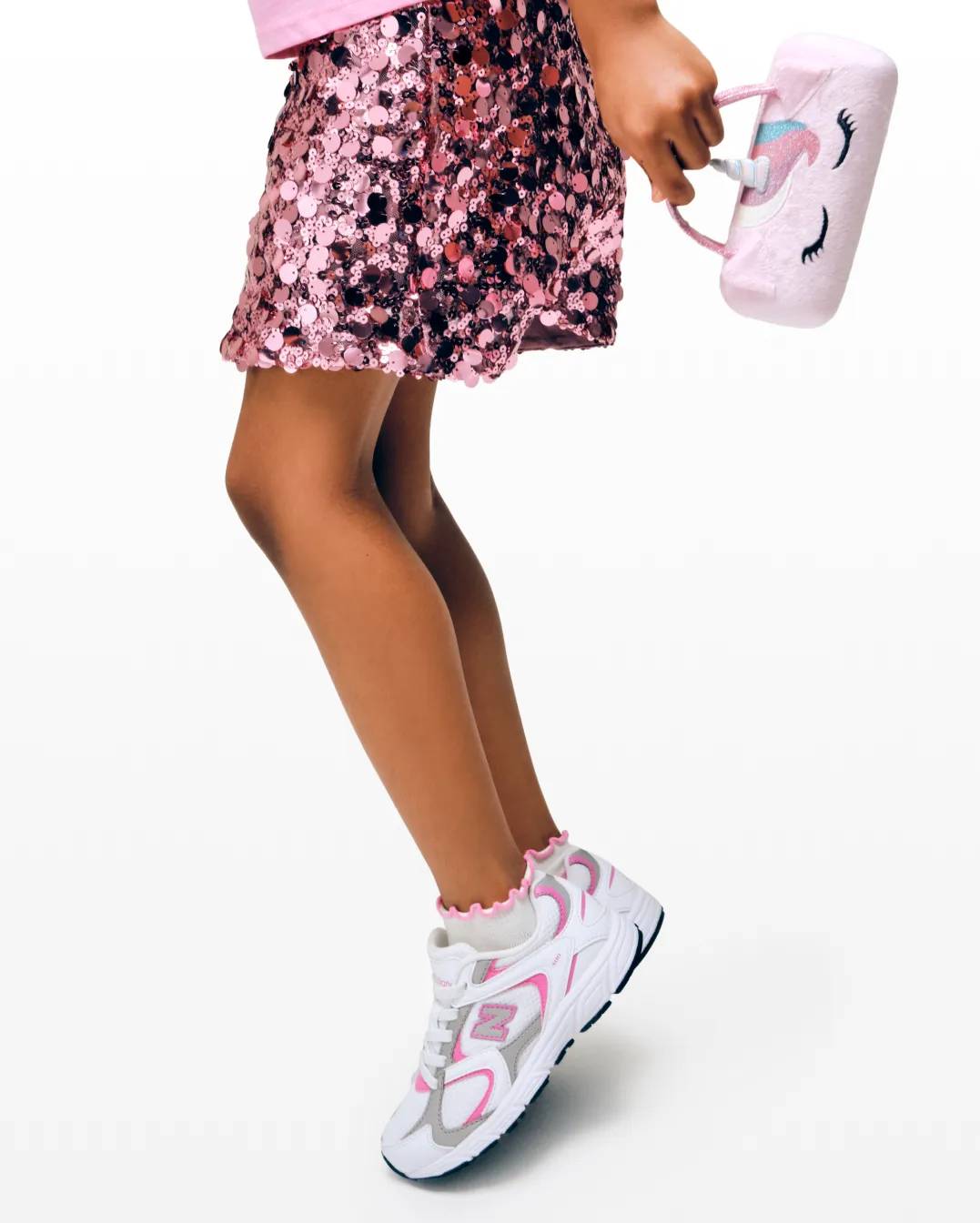
How to wear sneakers with dresses
Explore all the ways to wear this trendy combo.
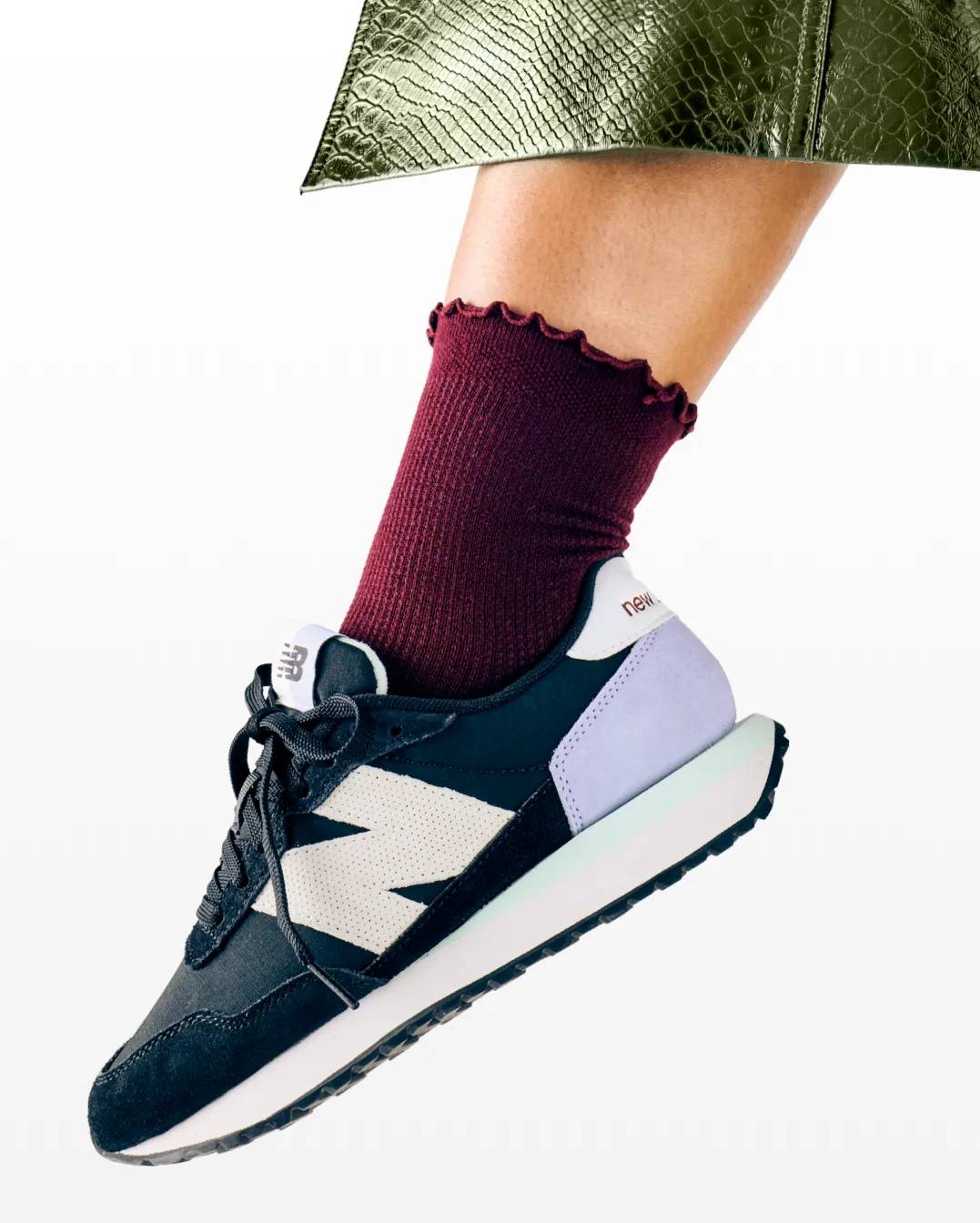
Walking shoes buying guide
Learn the ins & outs of choosing the most comfortable shoes.
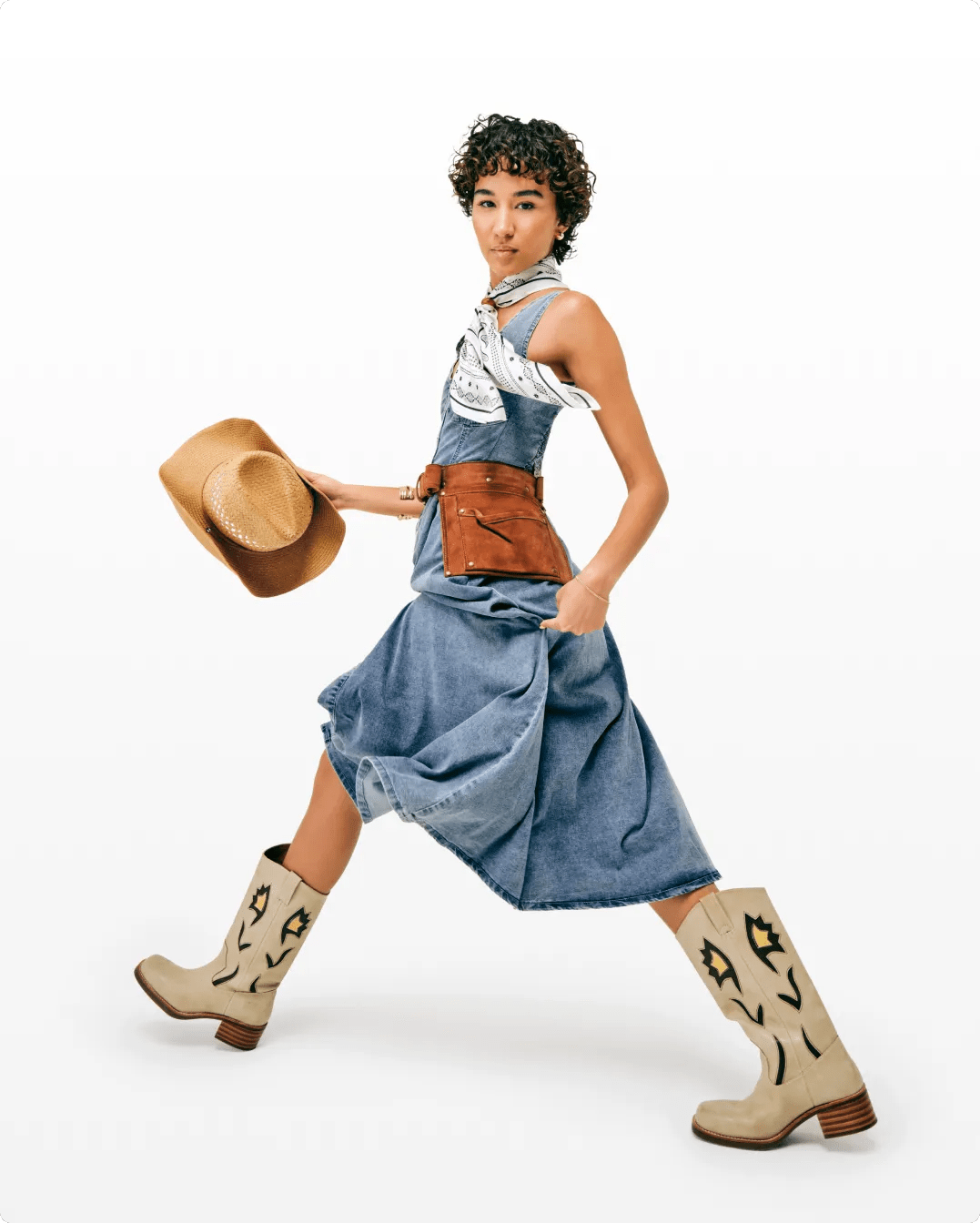
Style the Western Boot
Your first rodeo or not, get ready to enter your cowgirl era.
Gen Z shoe guide
We scoped the styles—come see what the cool crowd’s wearing.
Let Us Surprise You
Learn all about how DSW is finding joy in shopping for shoes and what our rebrand means for you.