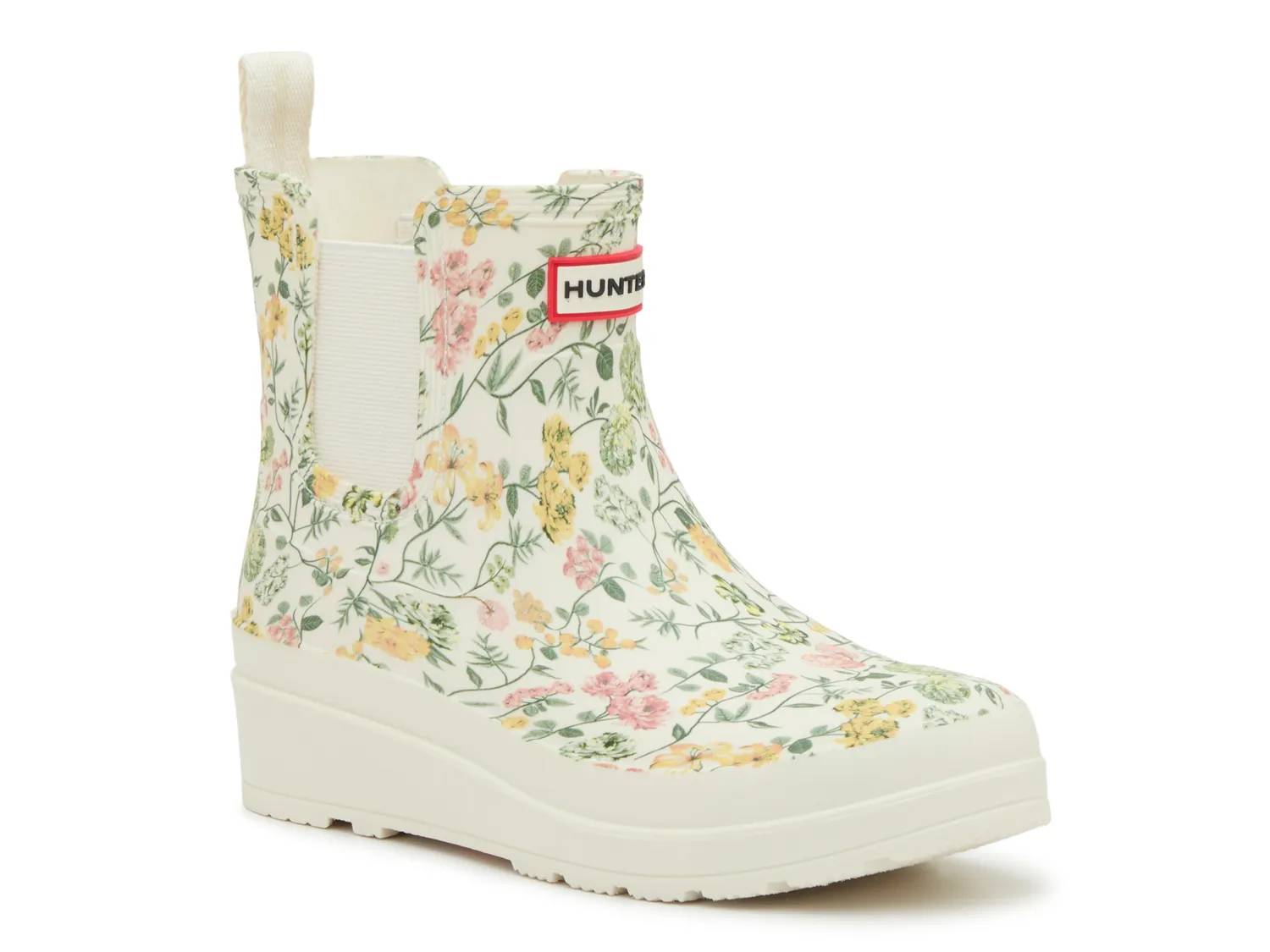
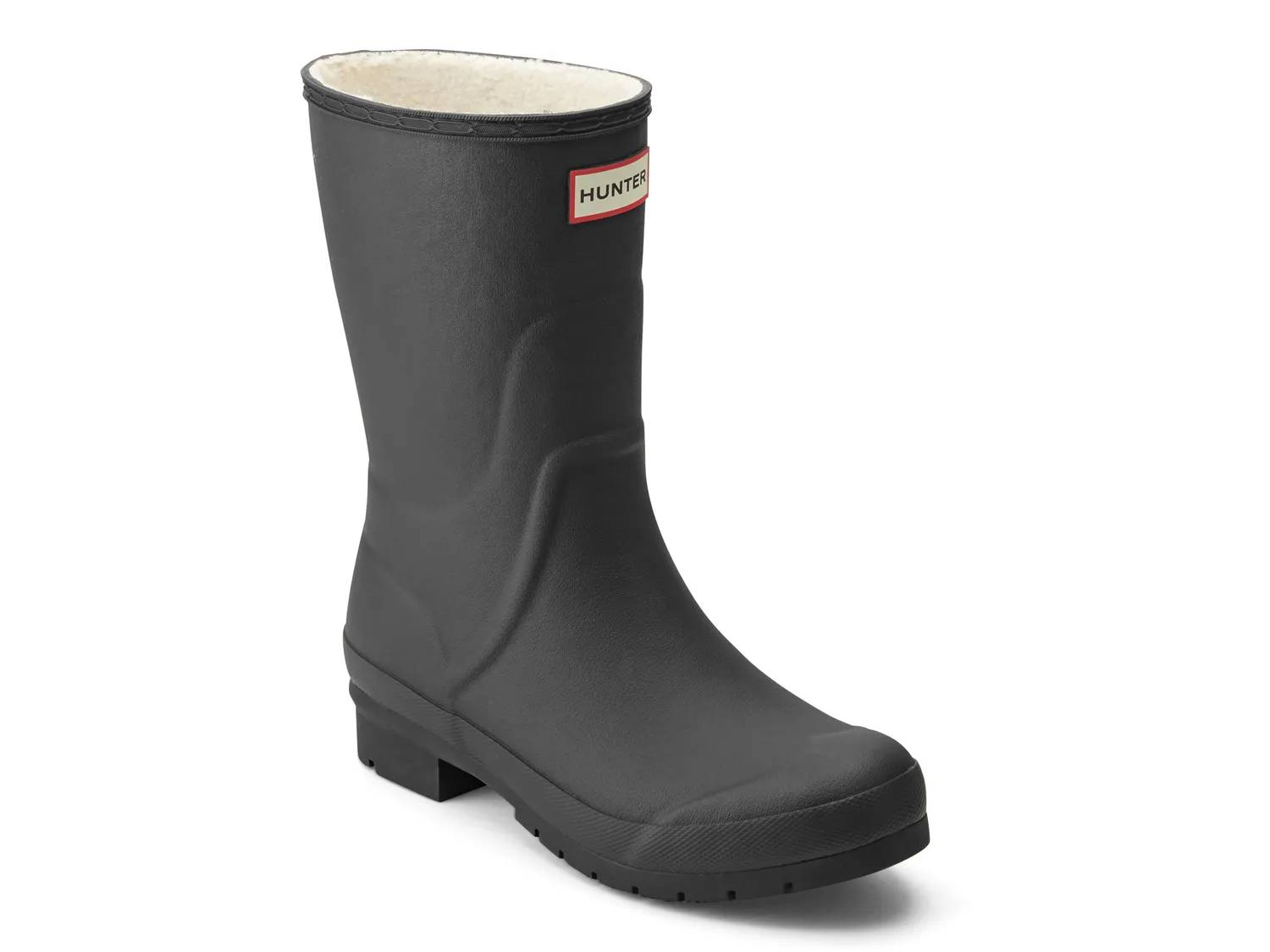
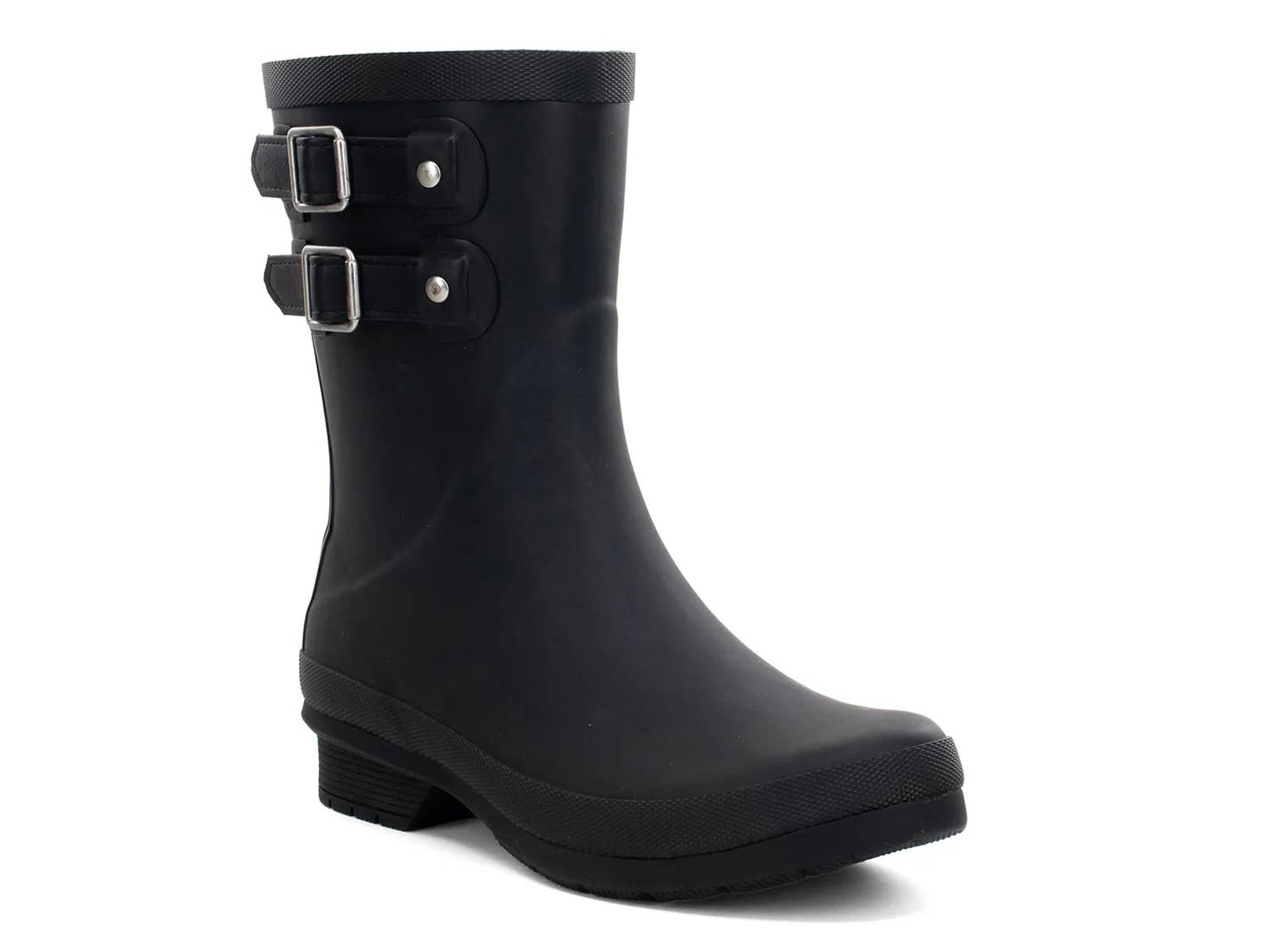
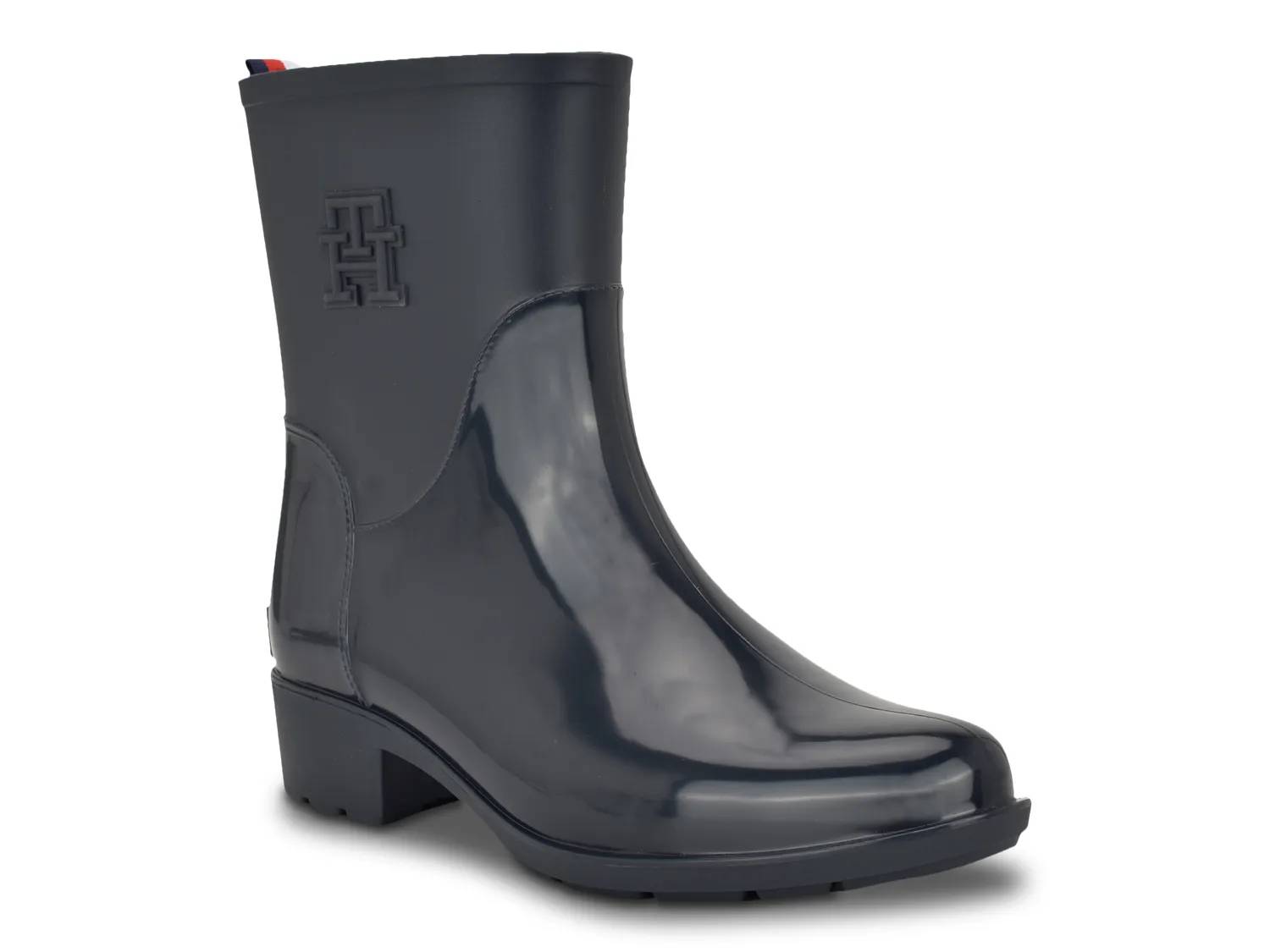
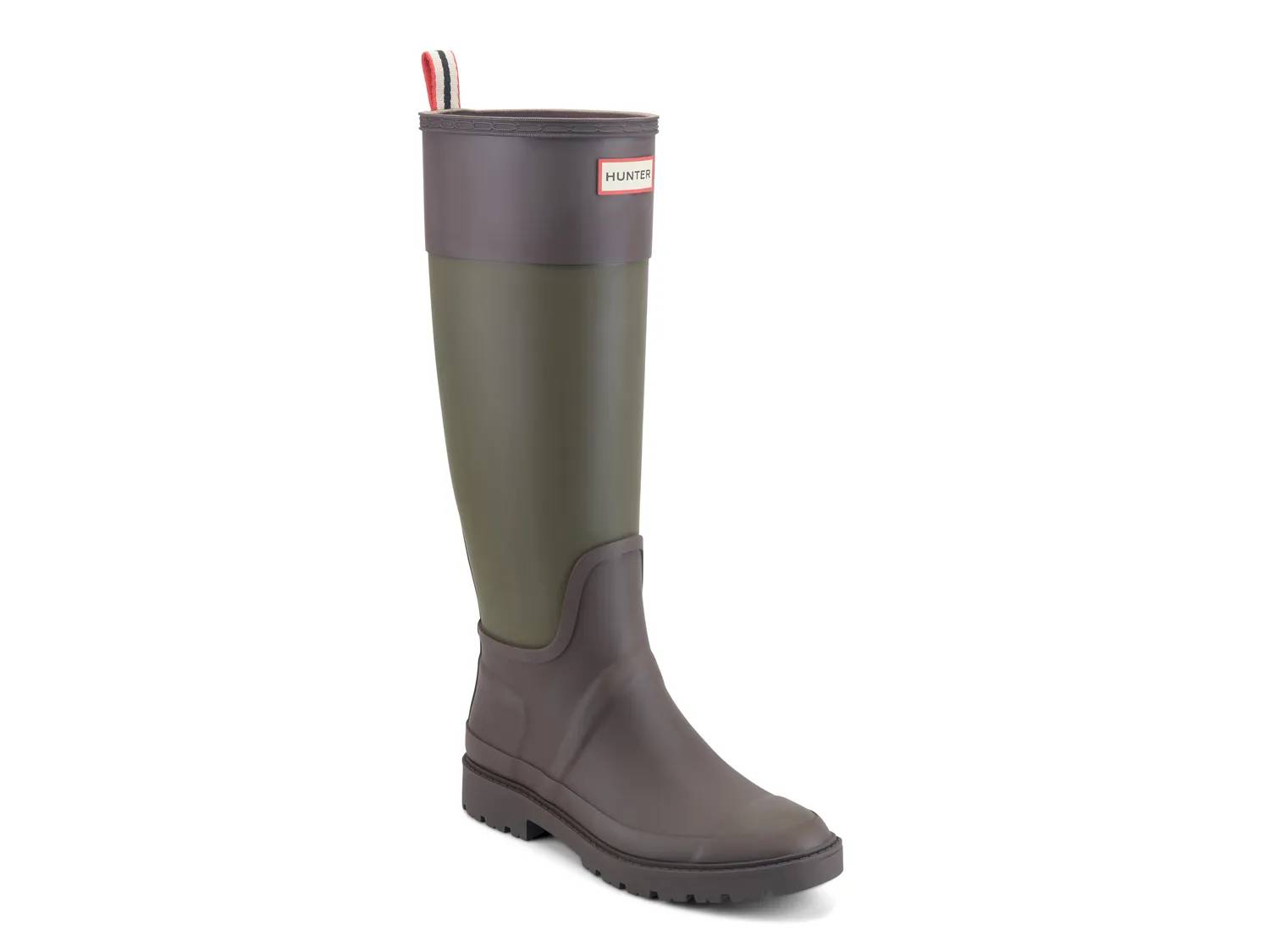
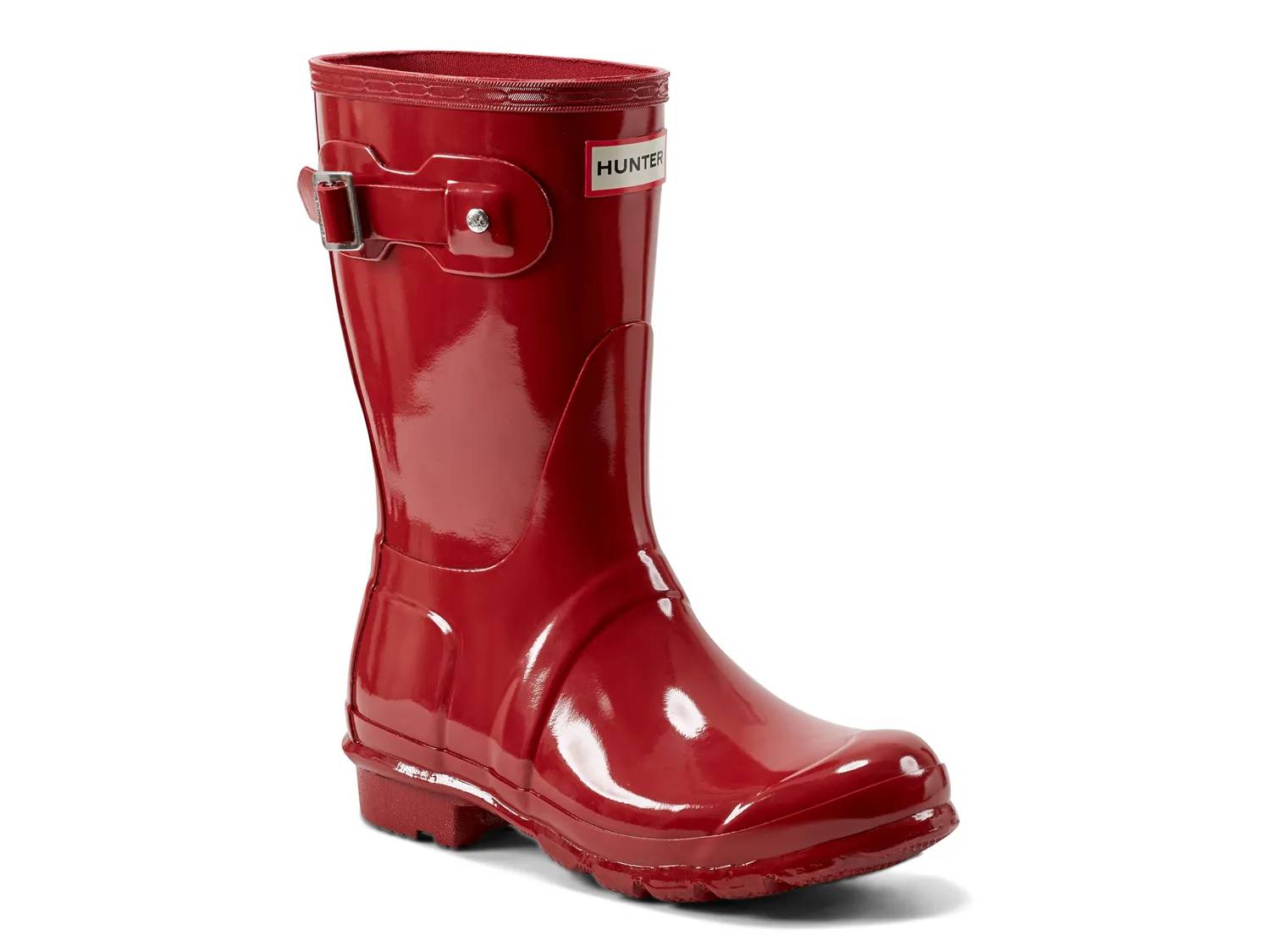
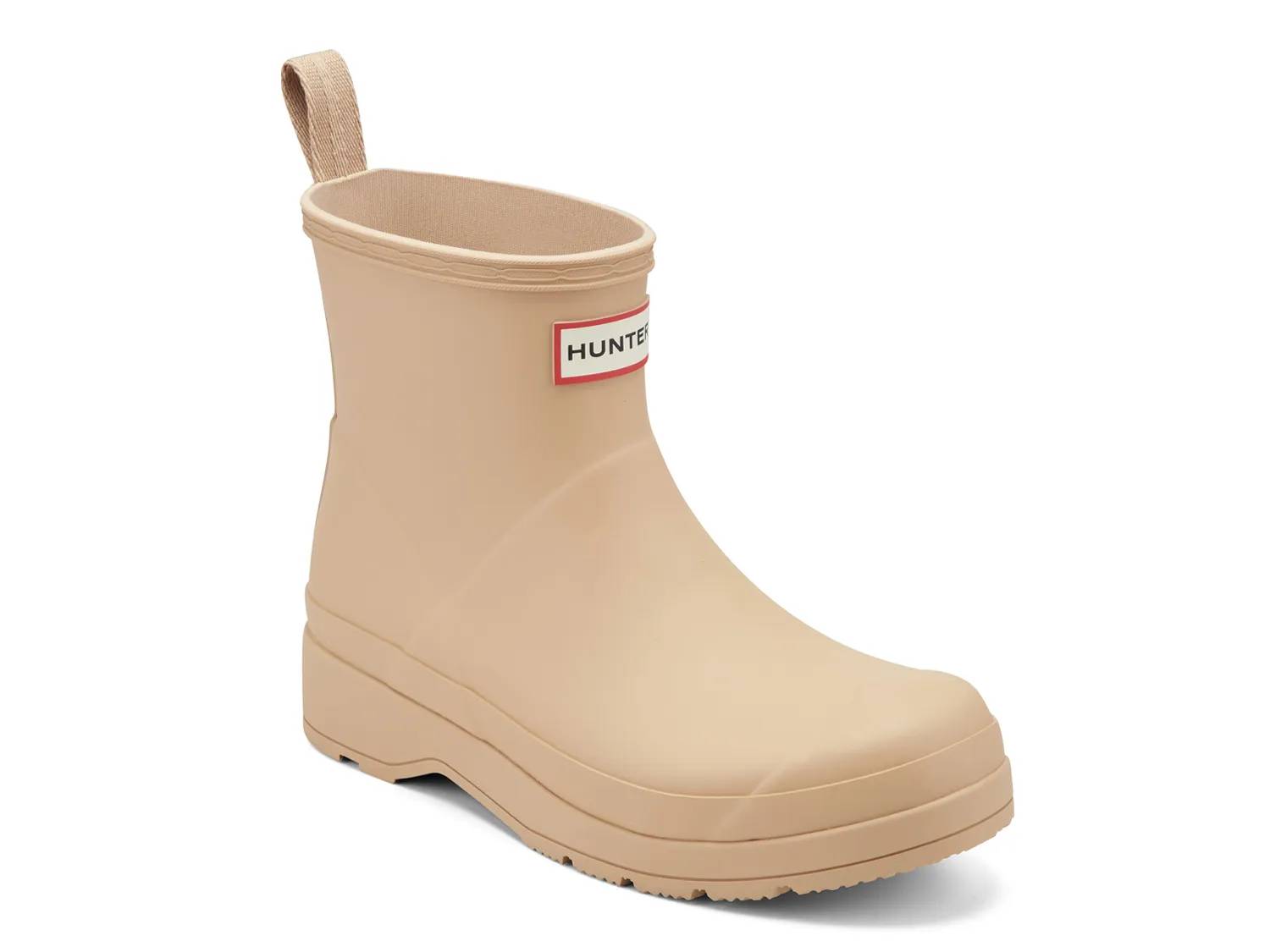
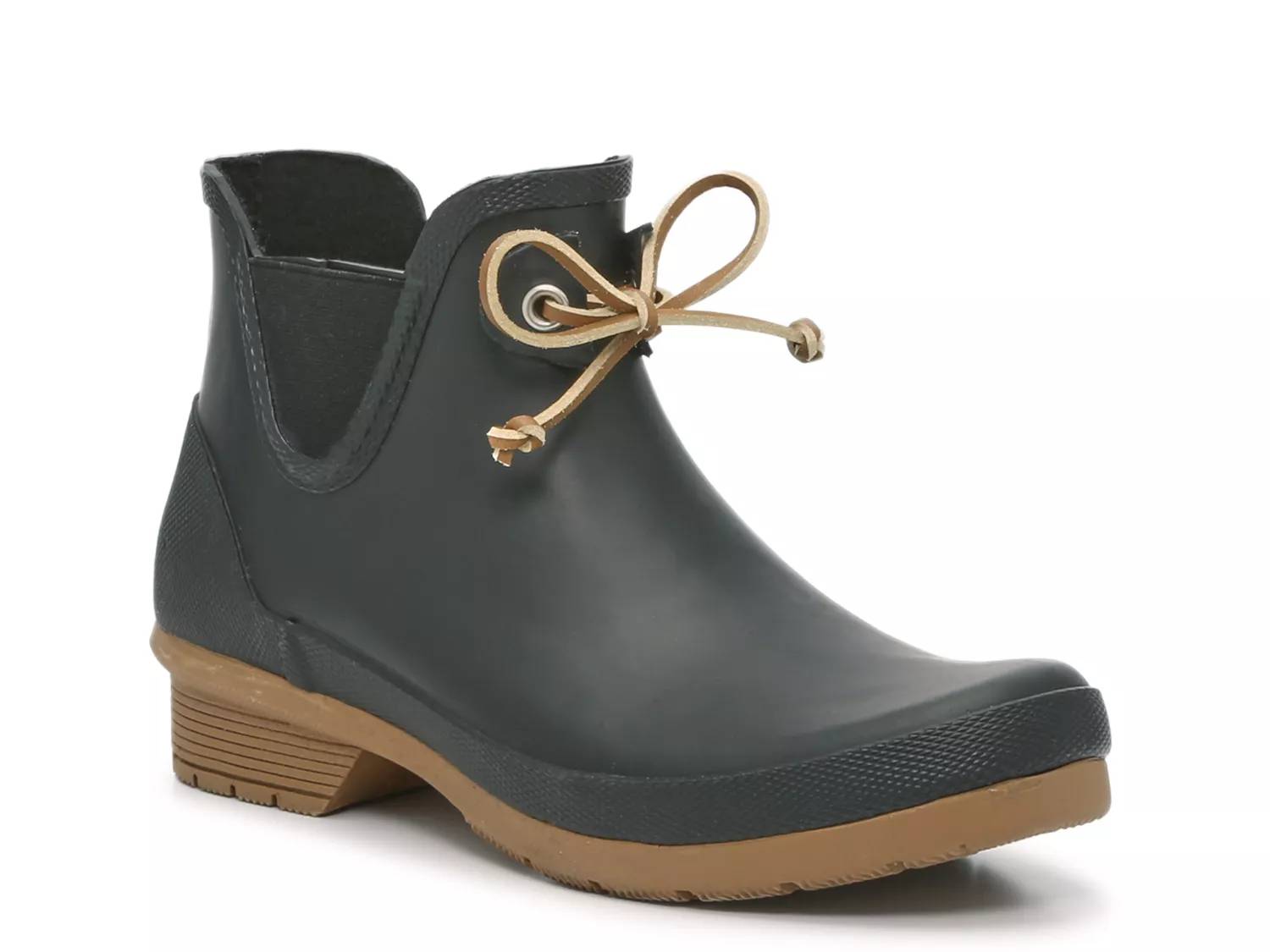
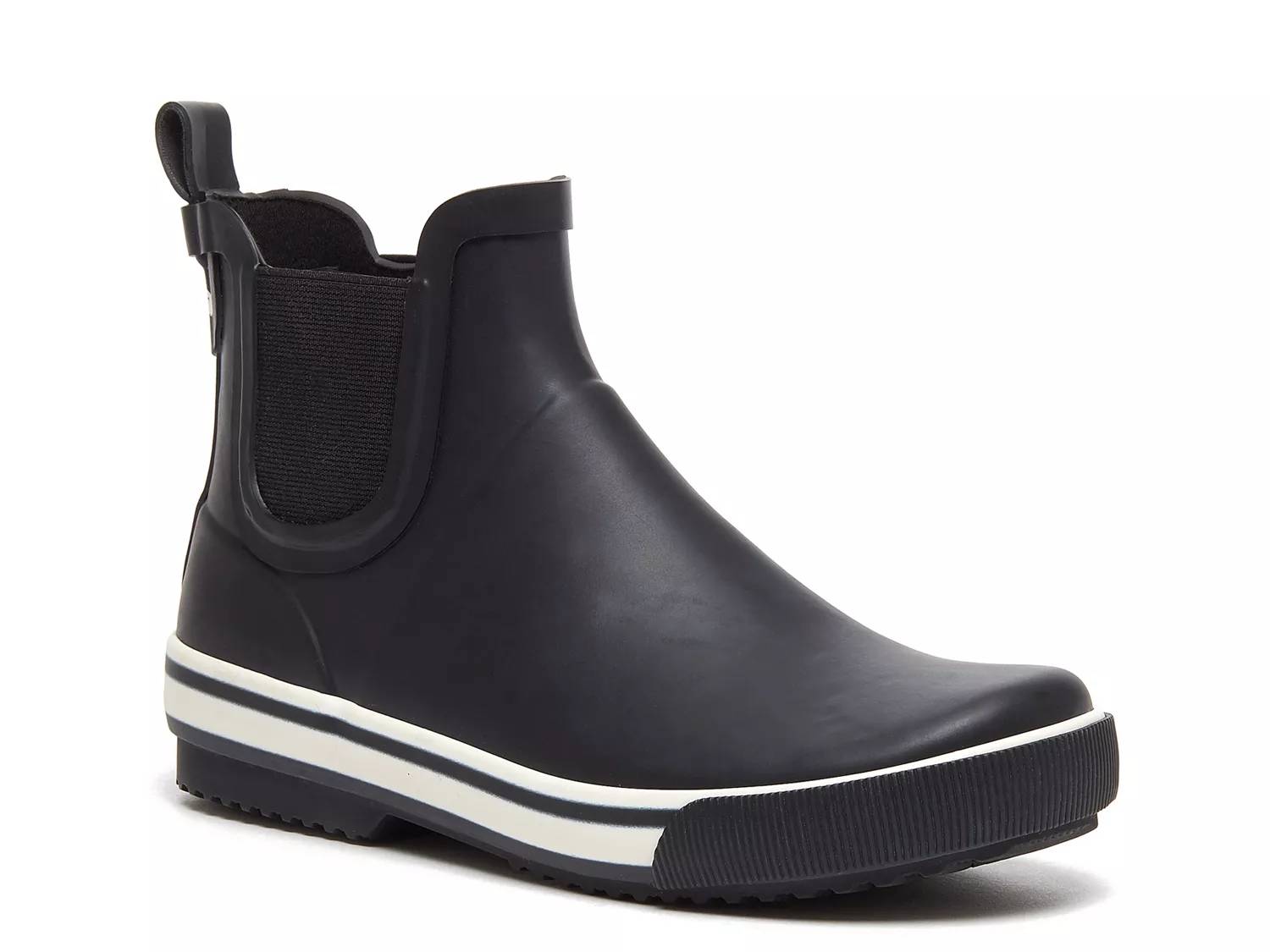
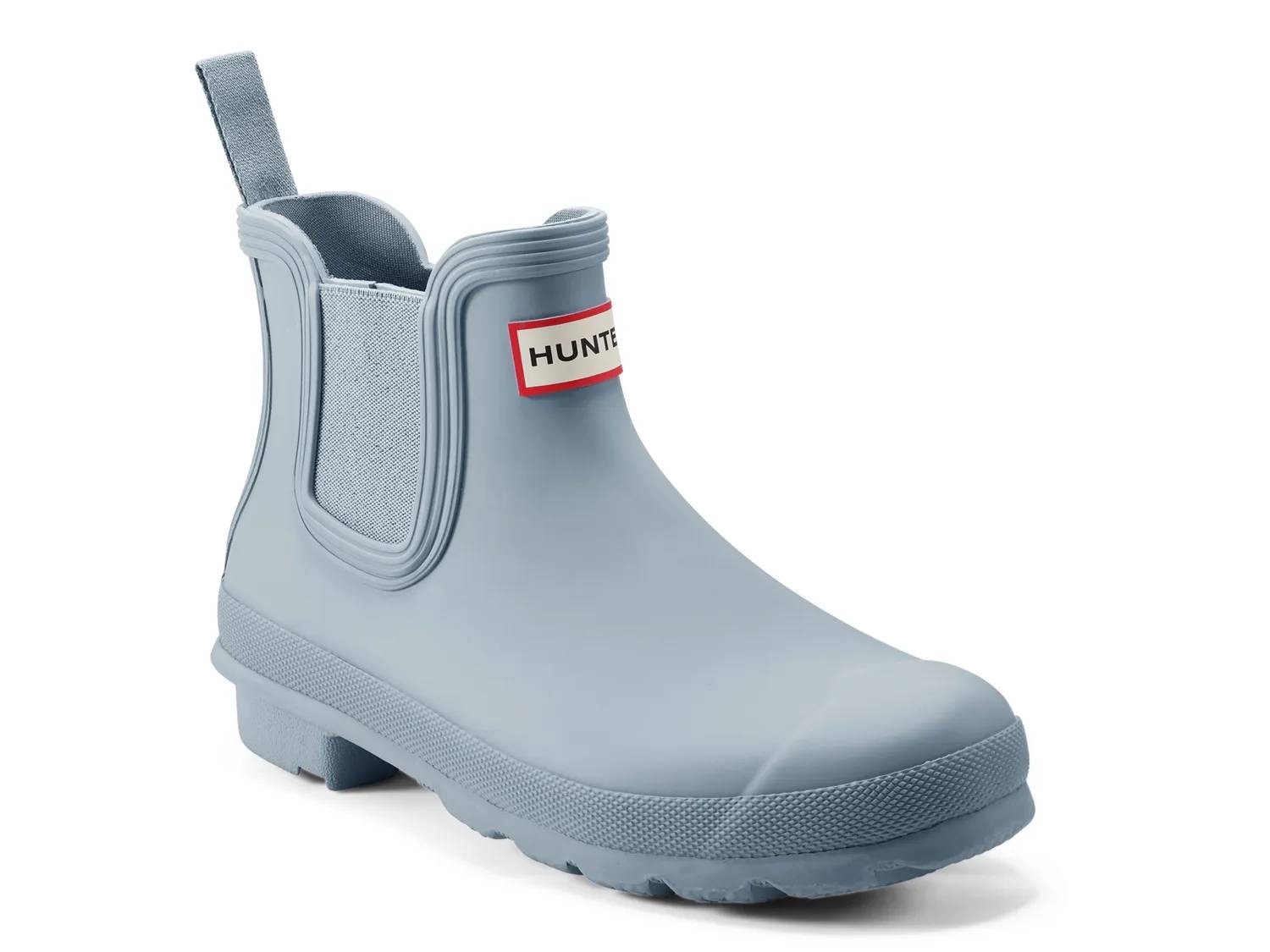
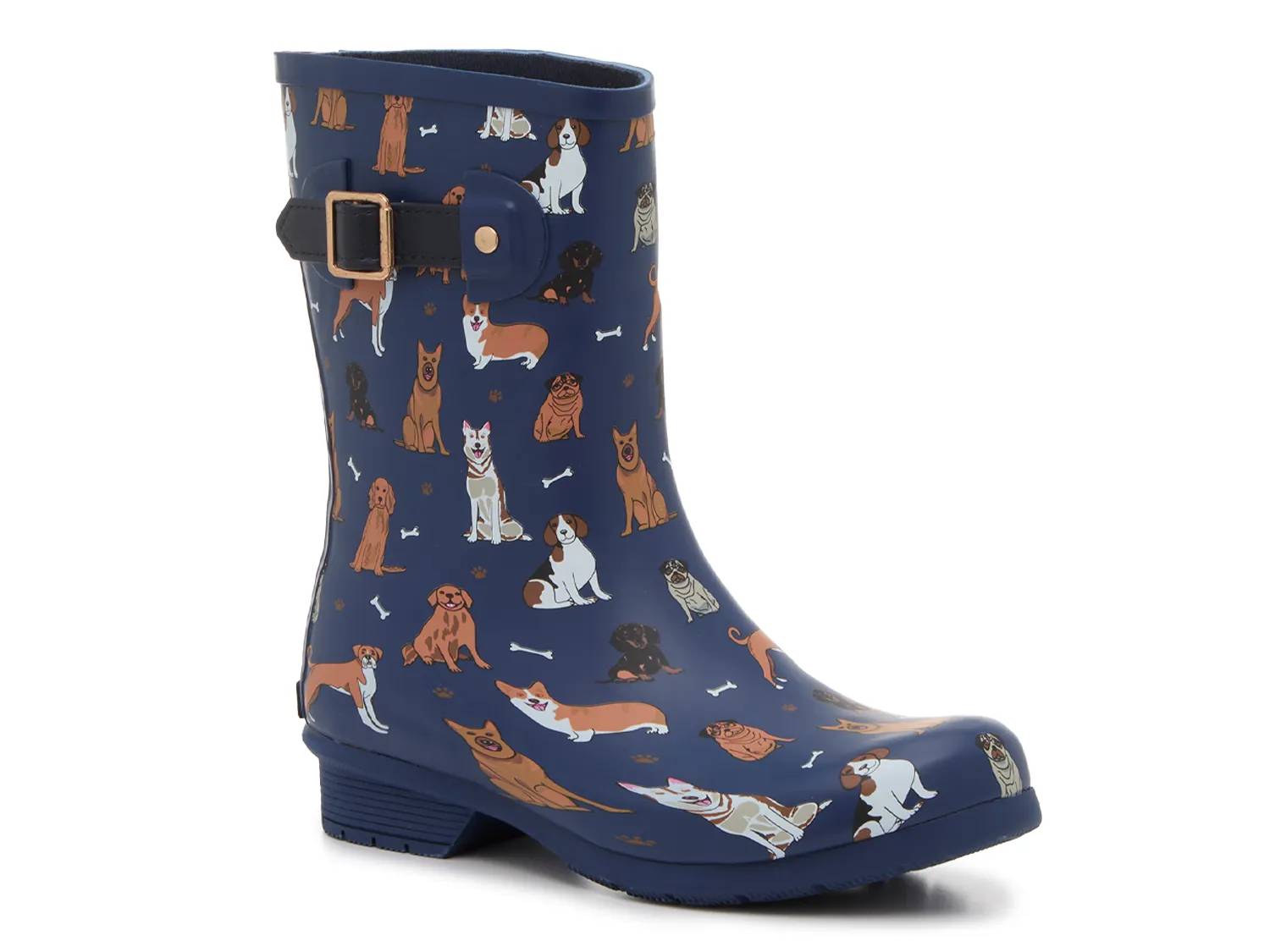
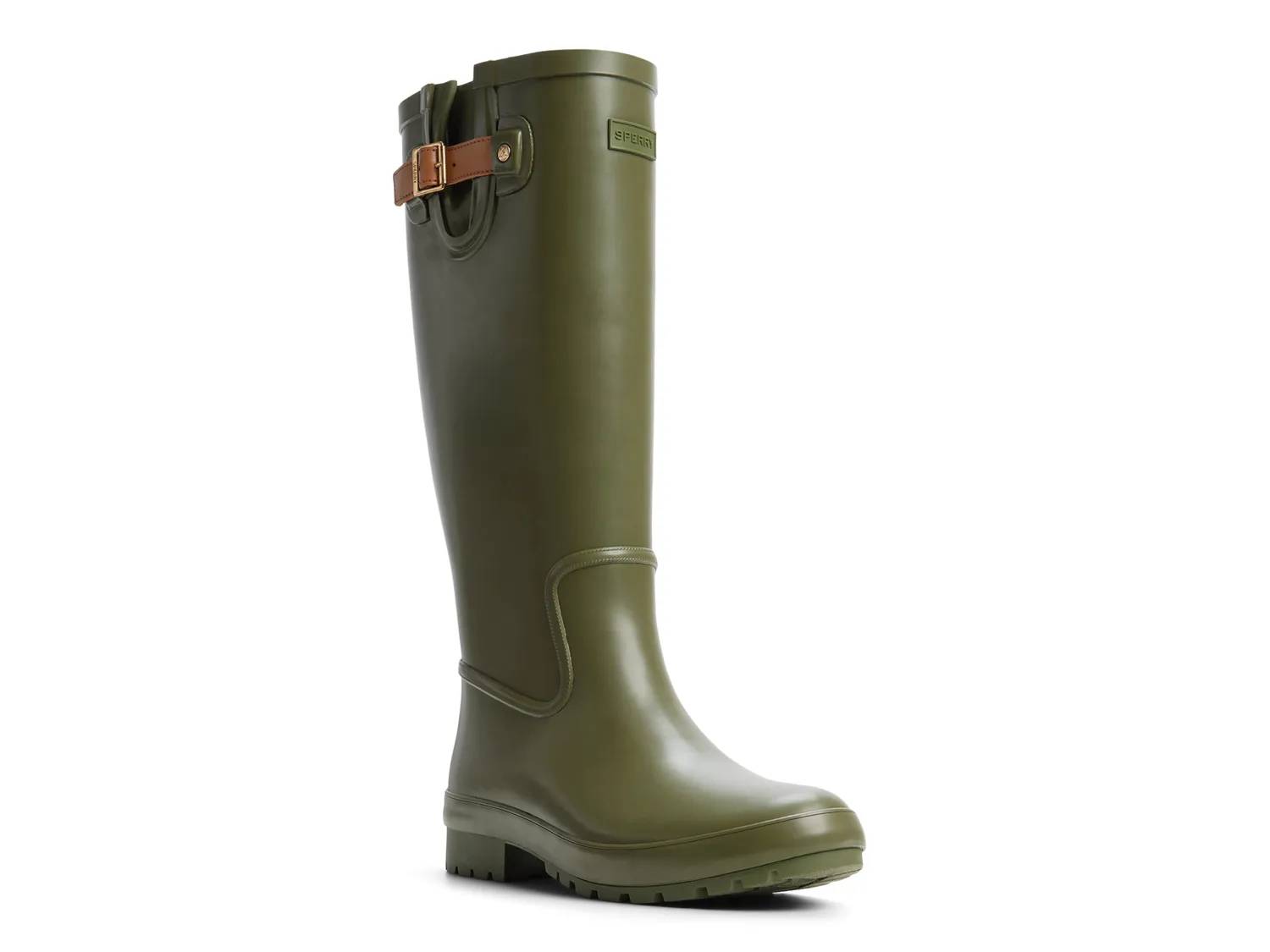
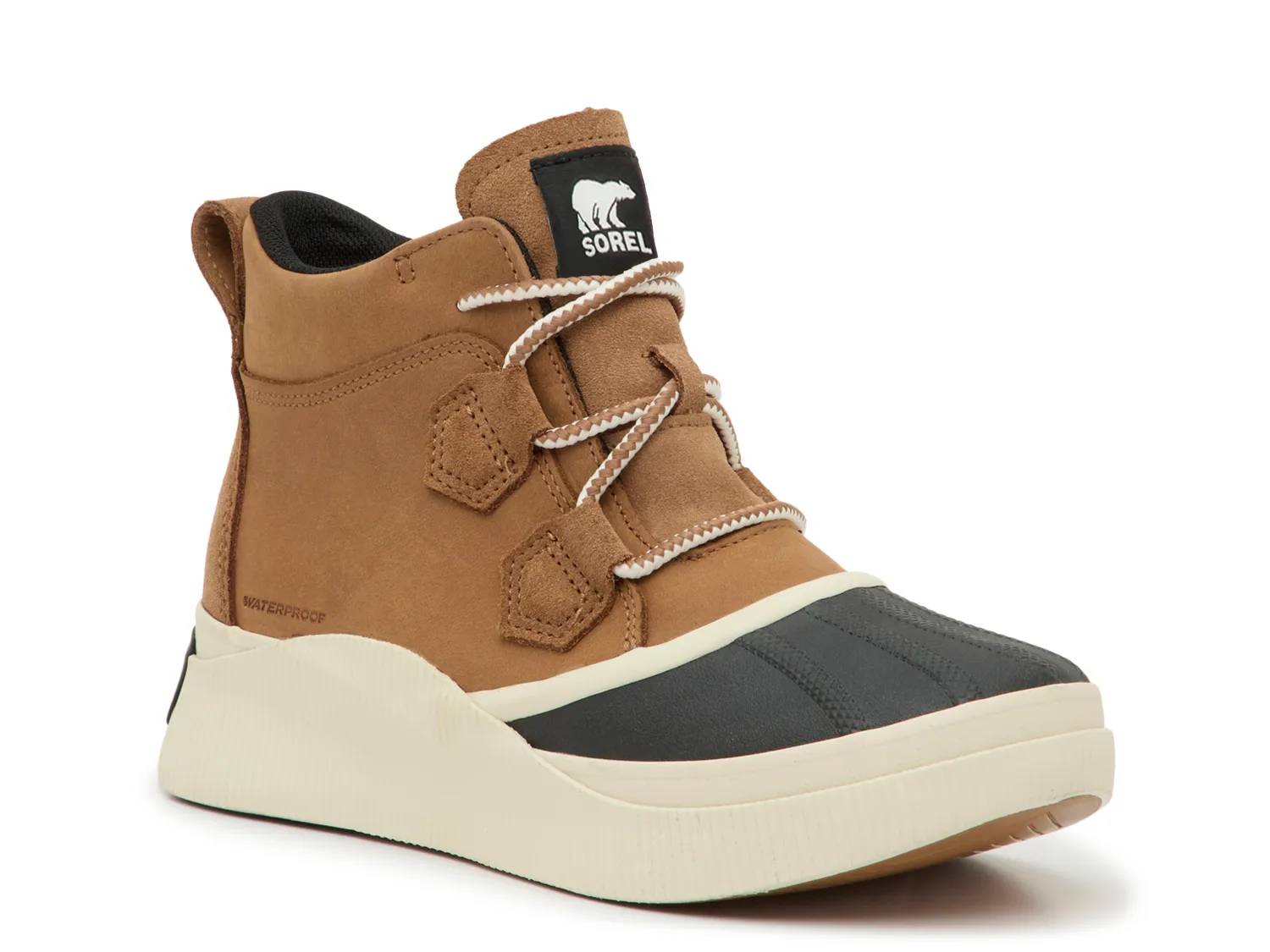
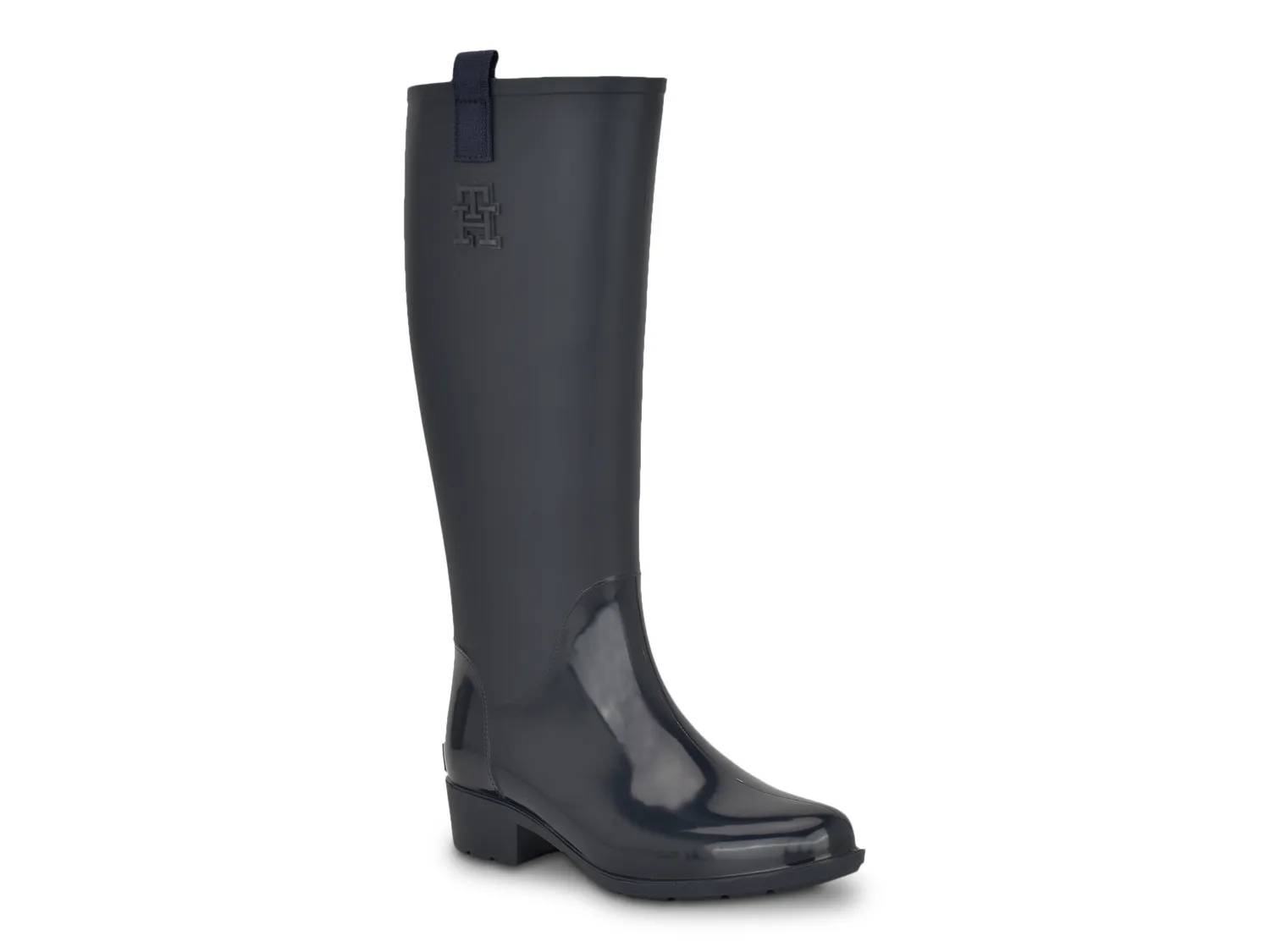
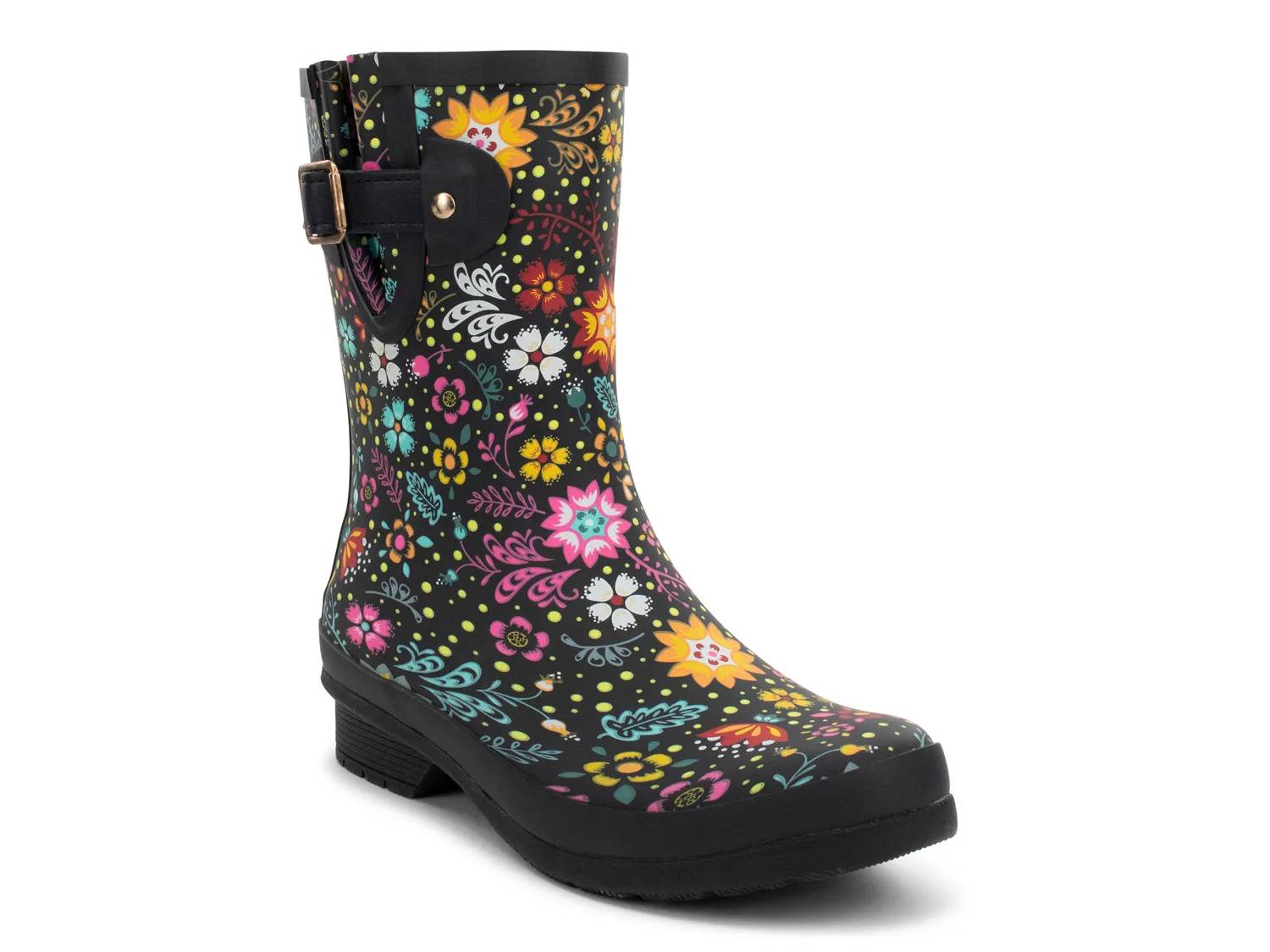
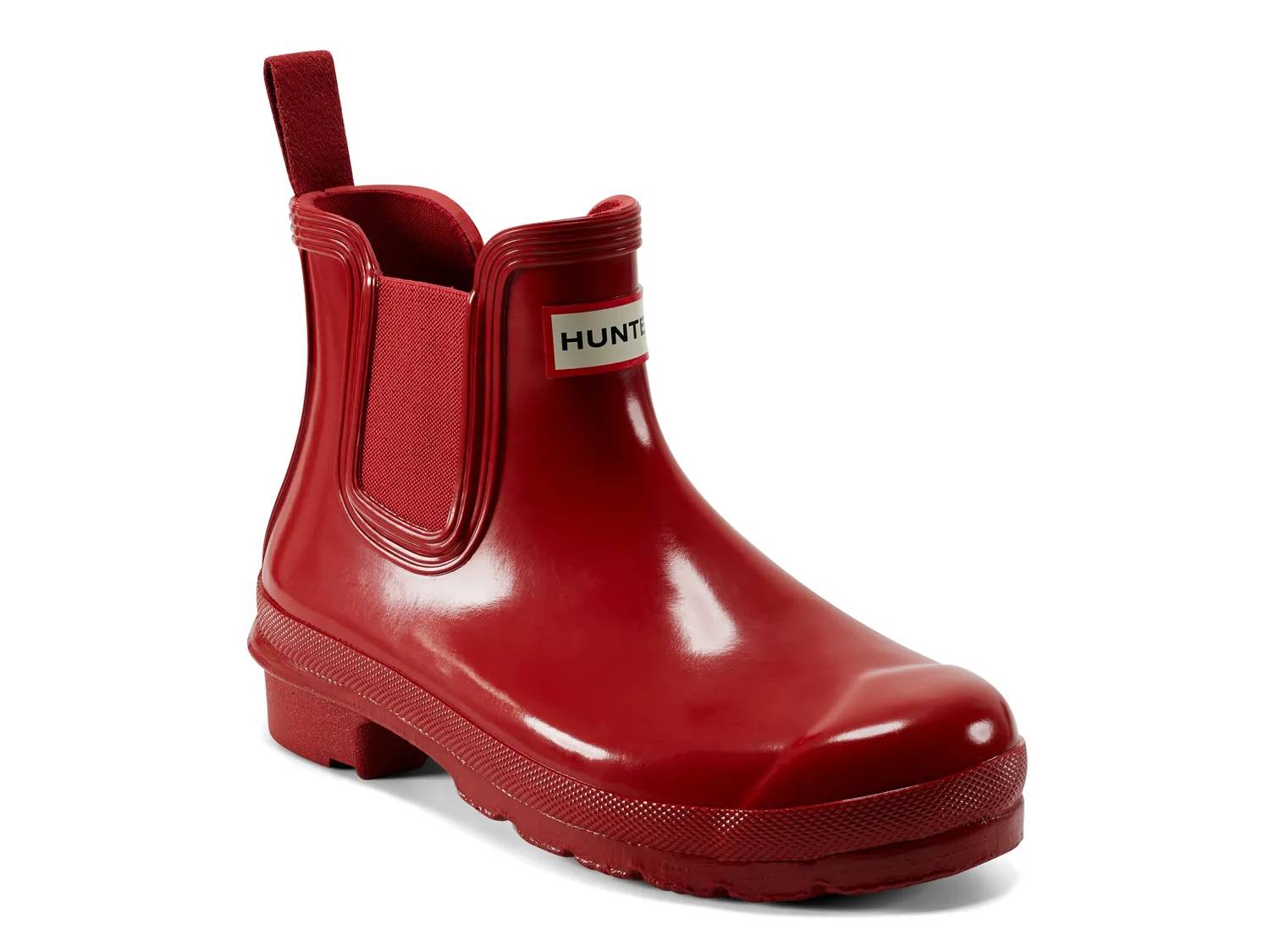
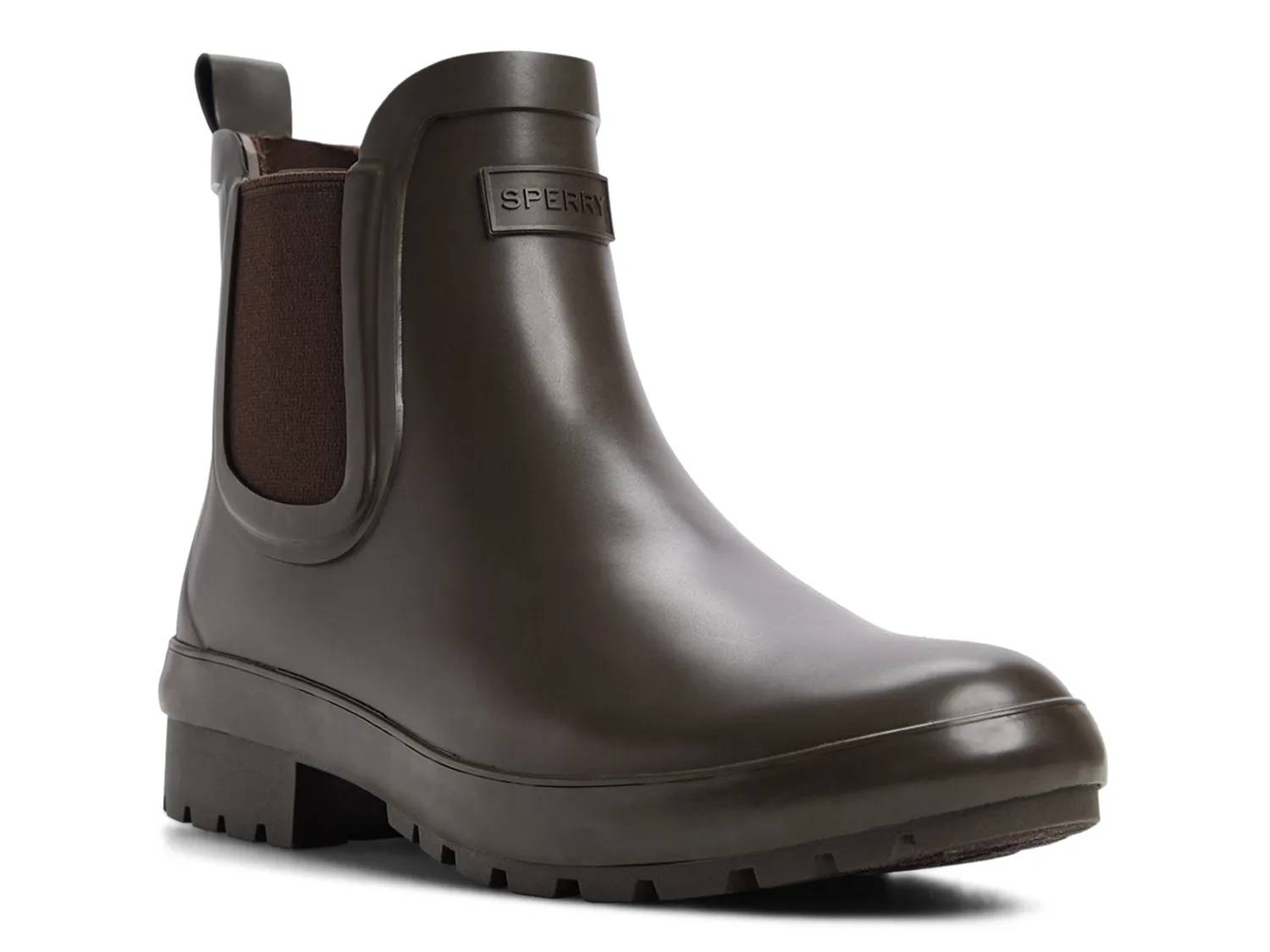
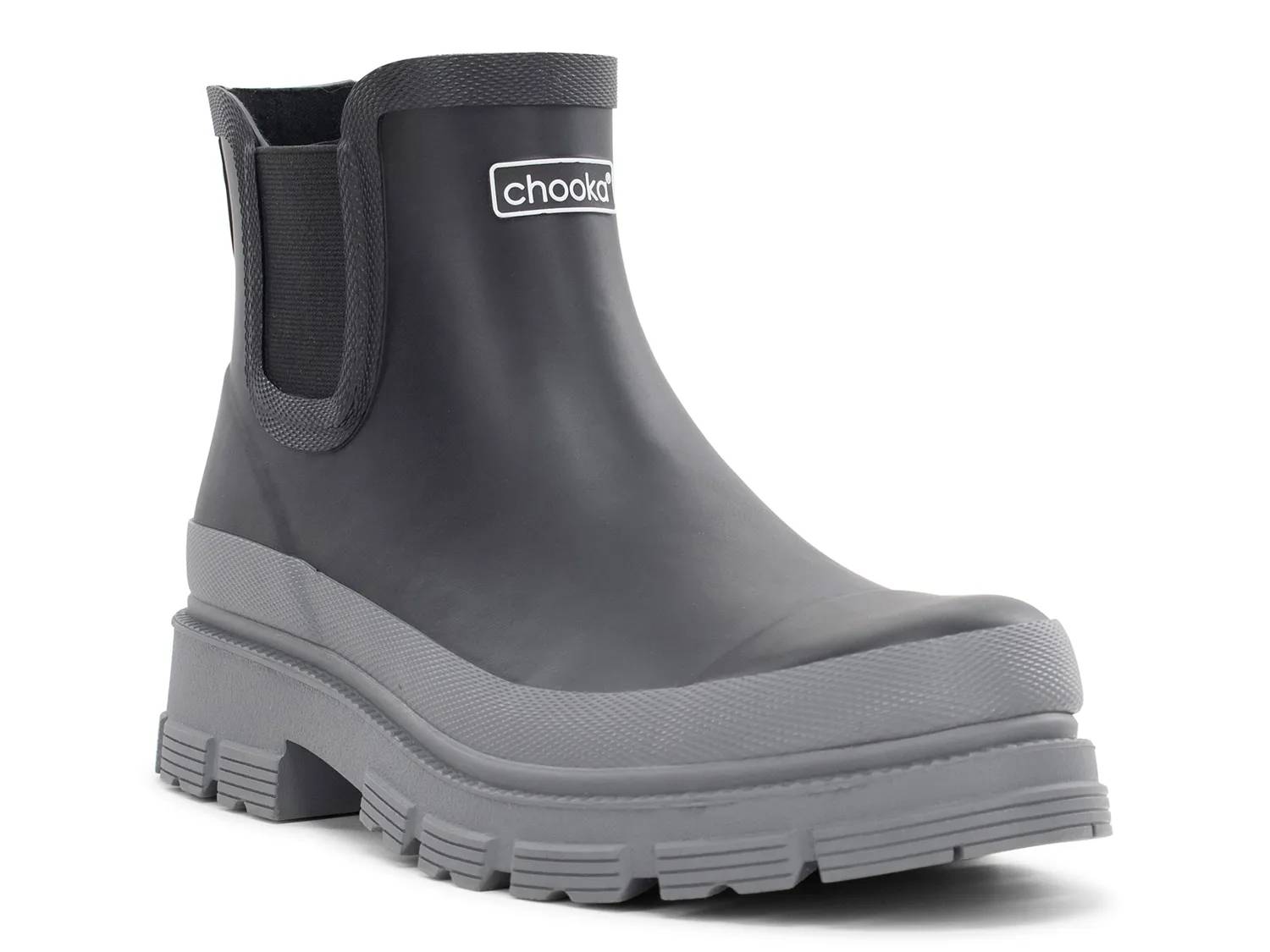
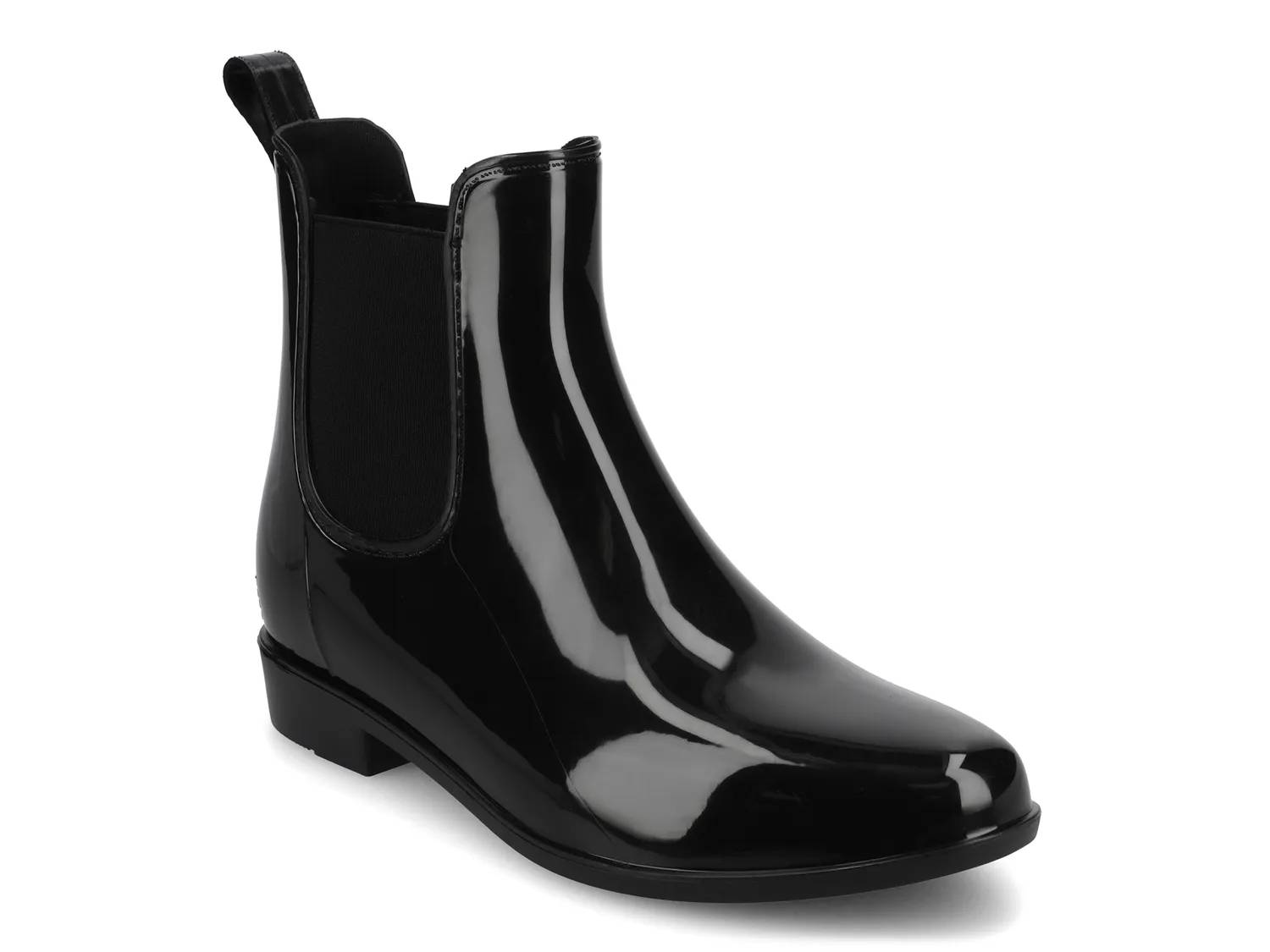
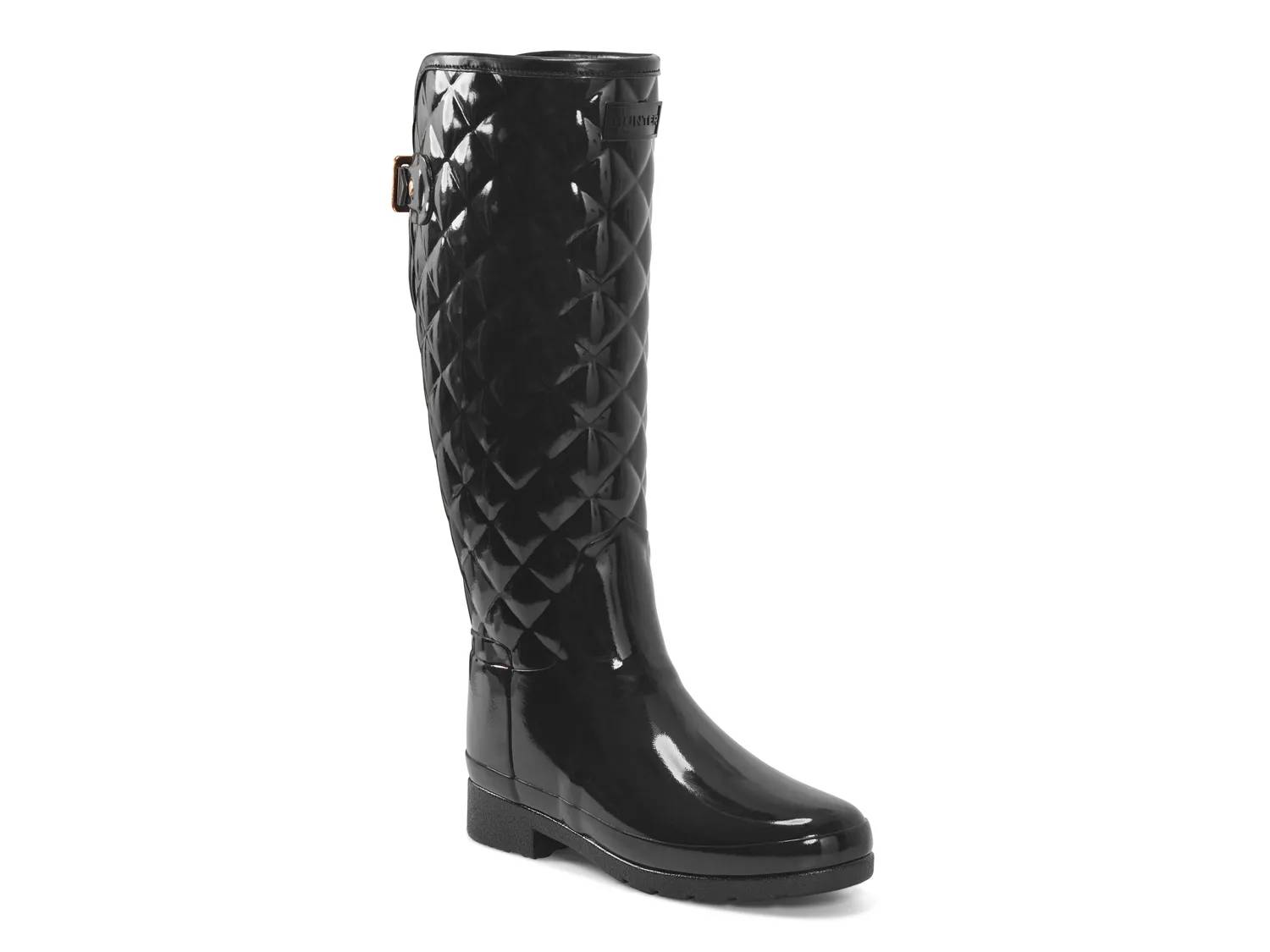
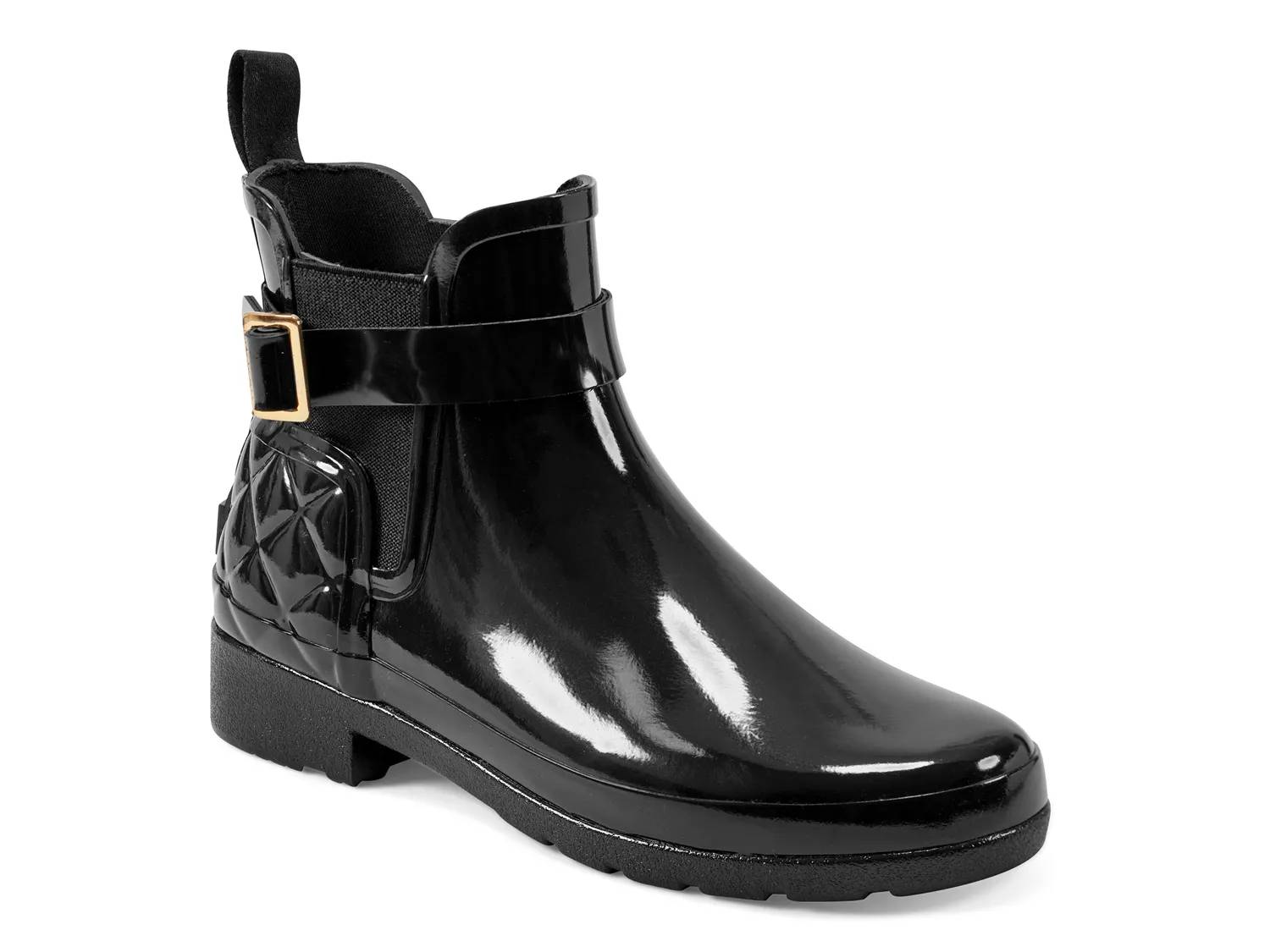
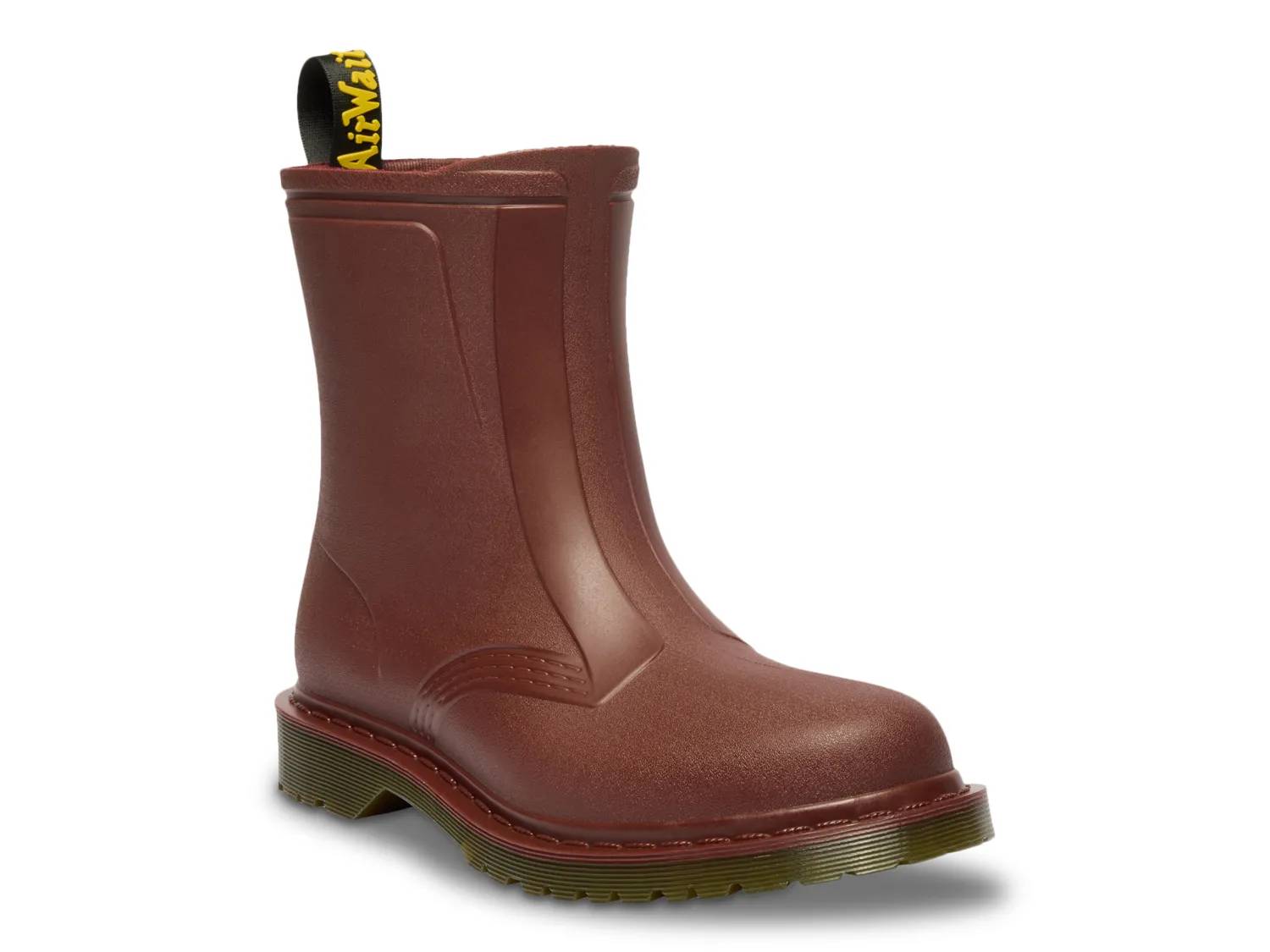
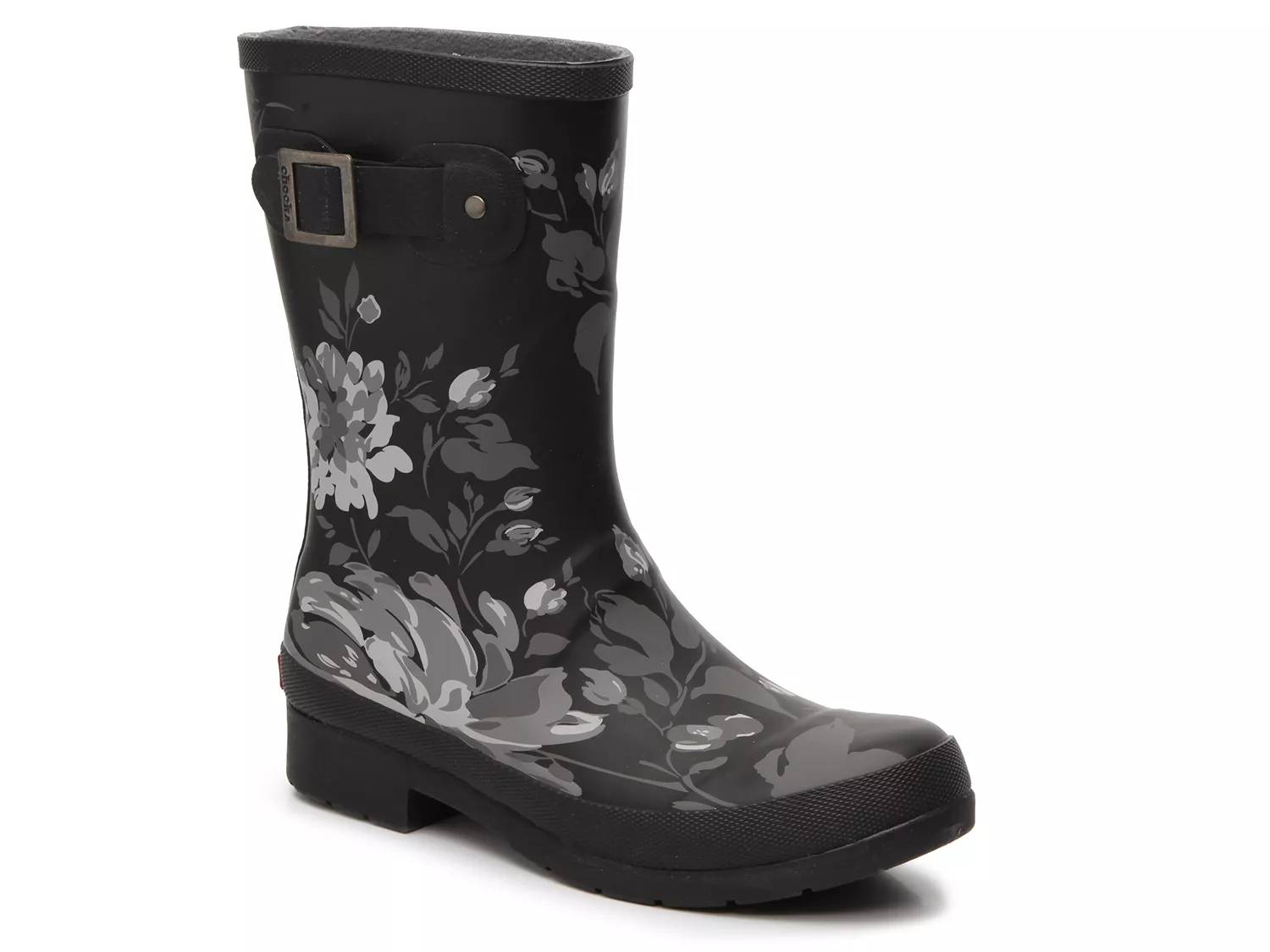
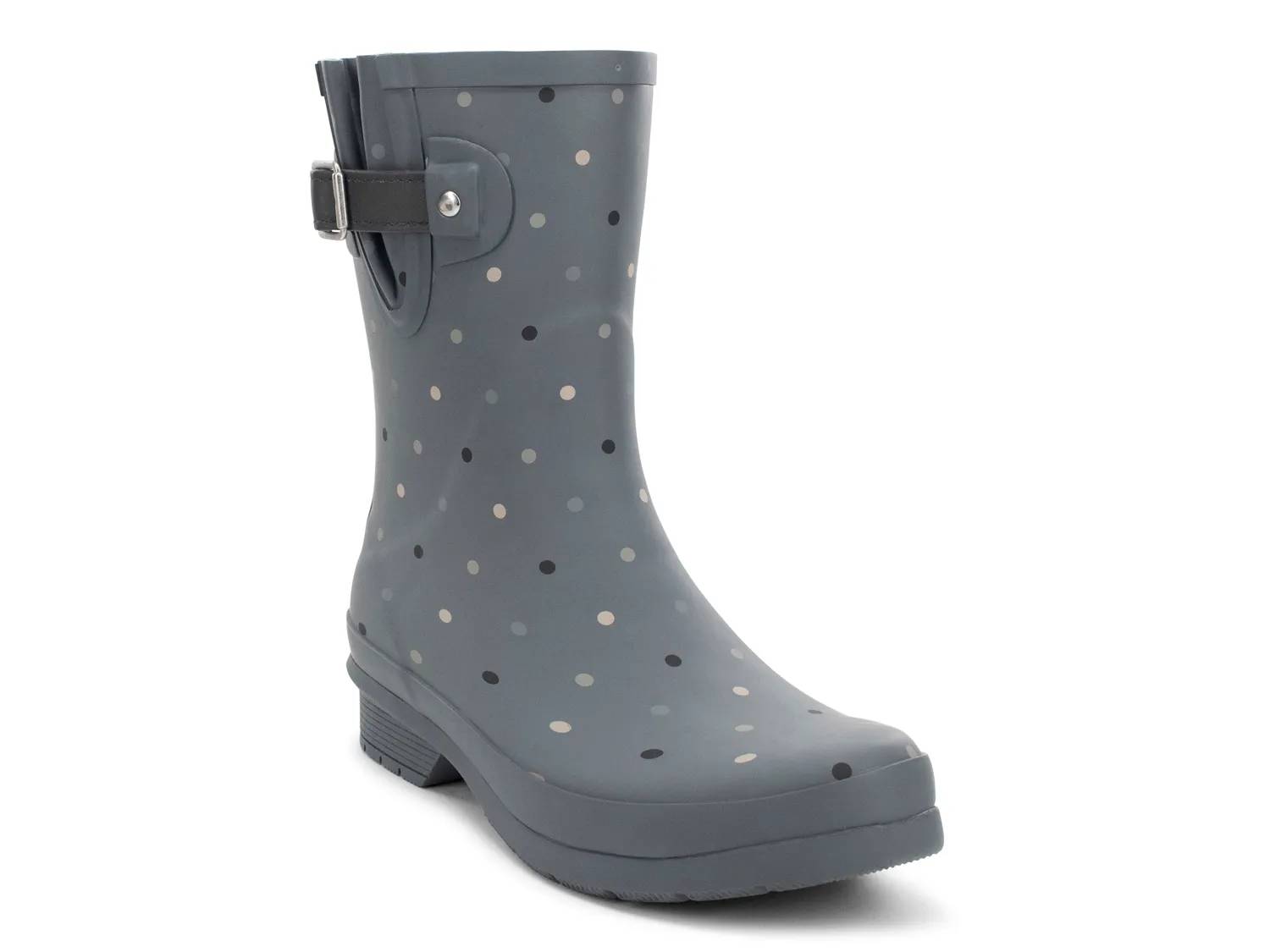
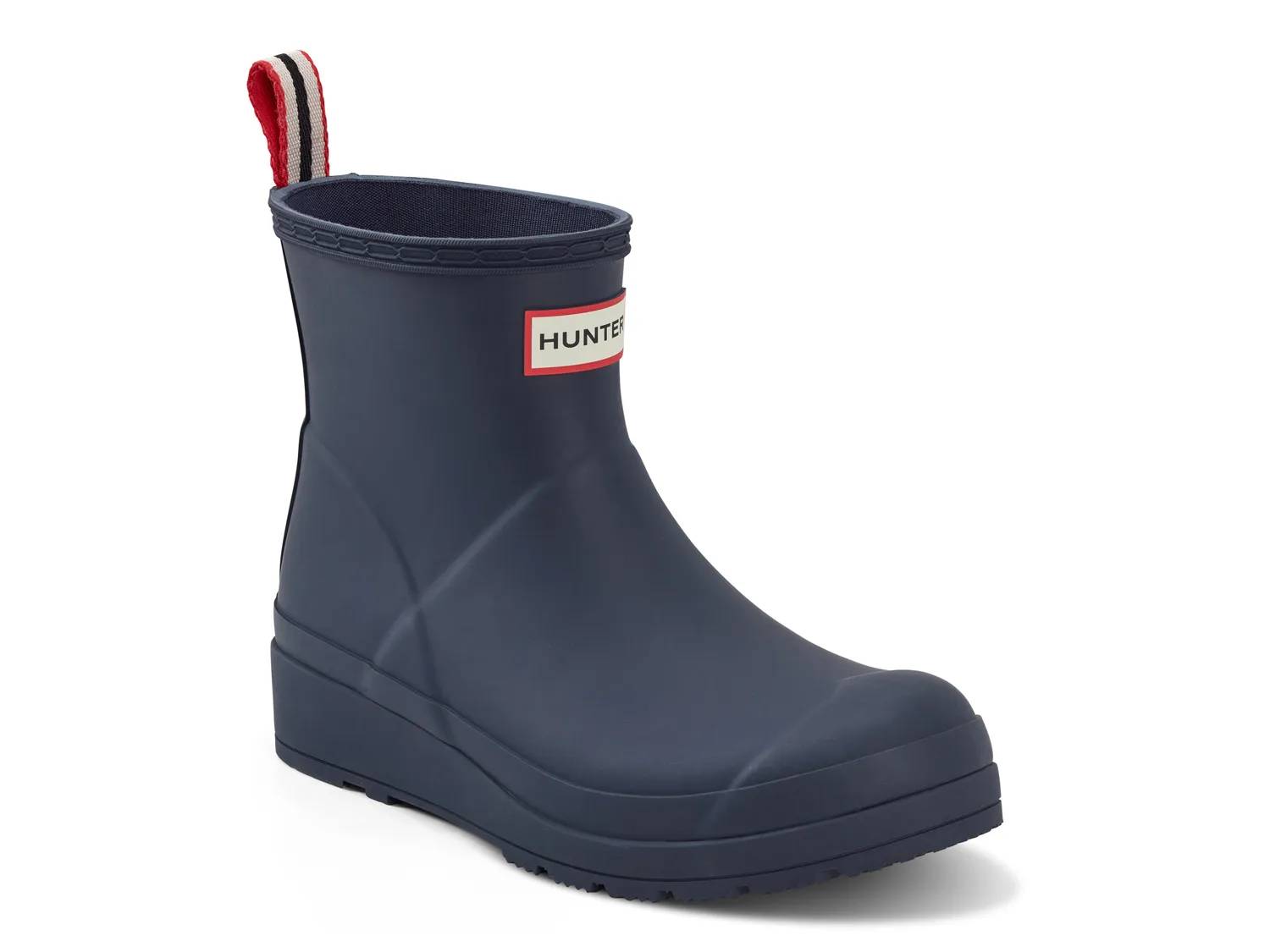
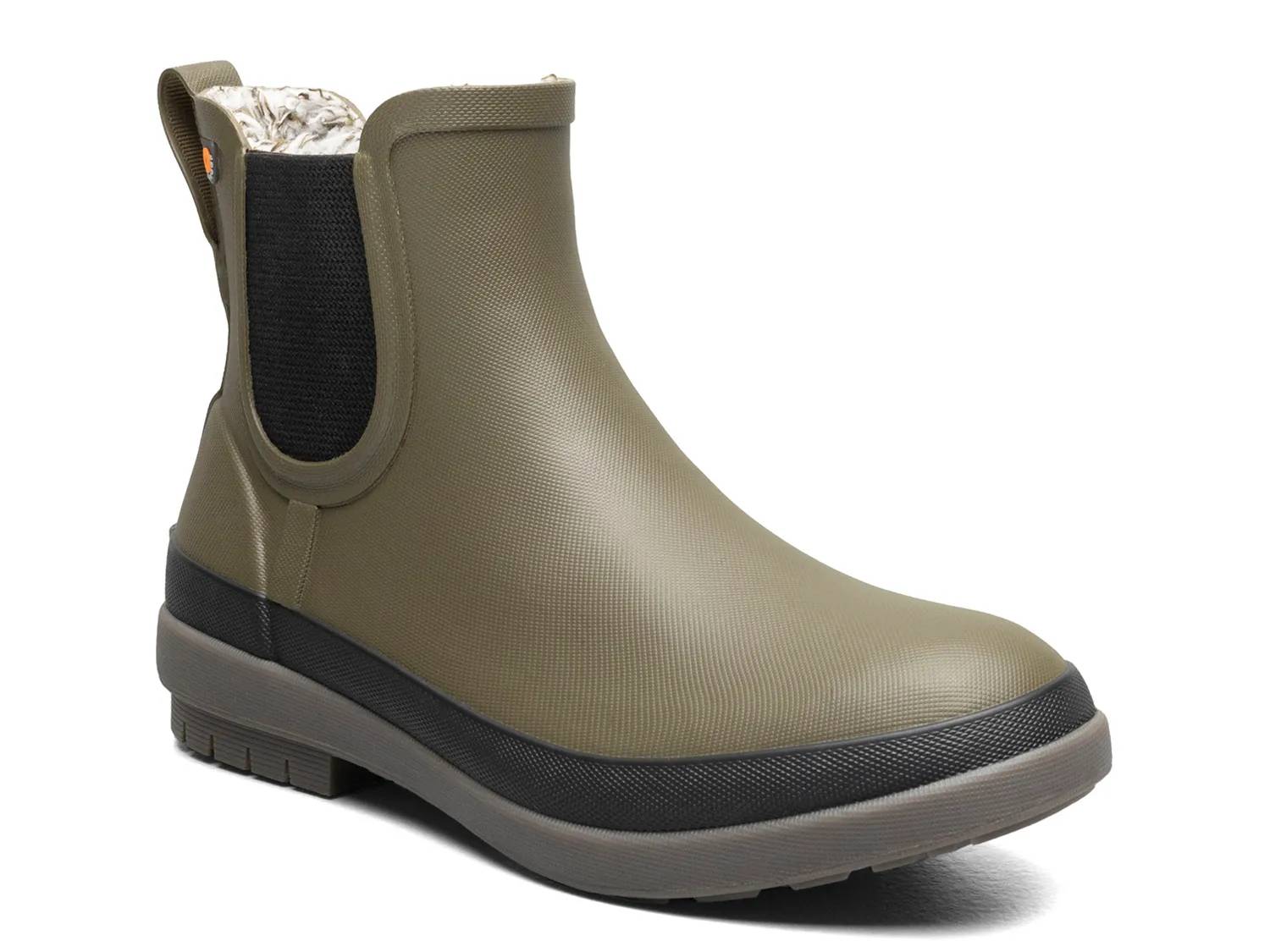
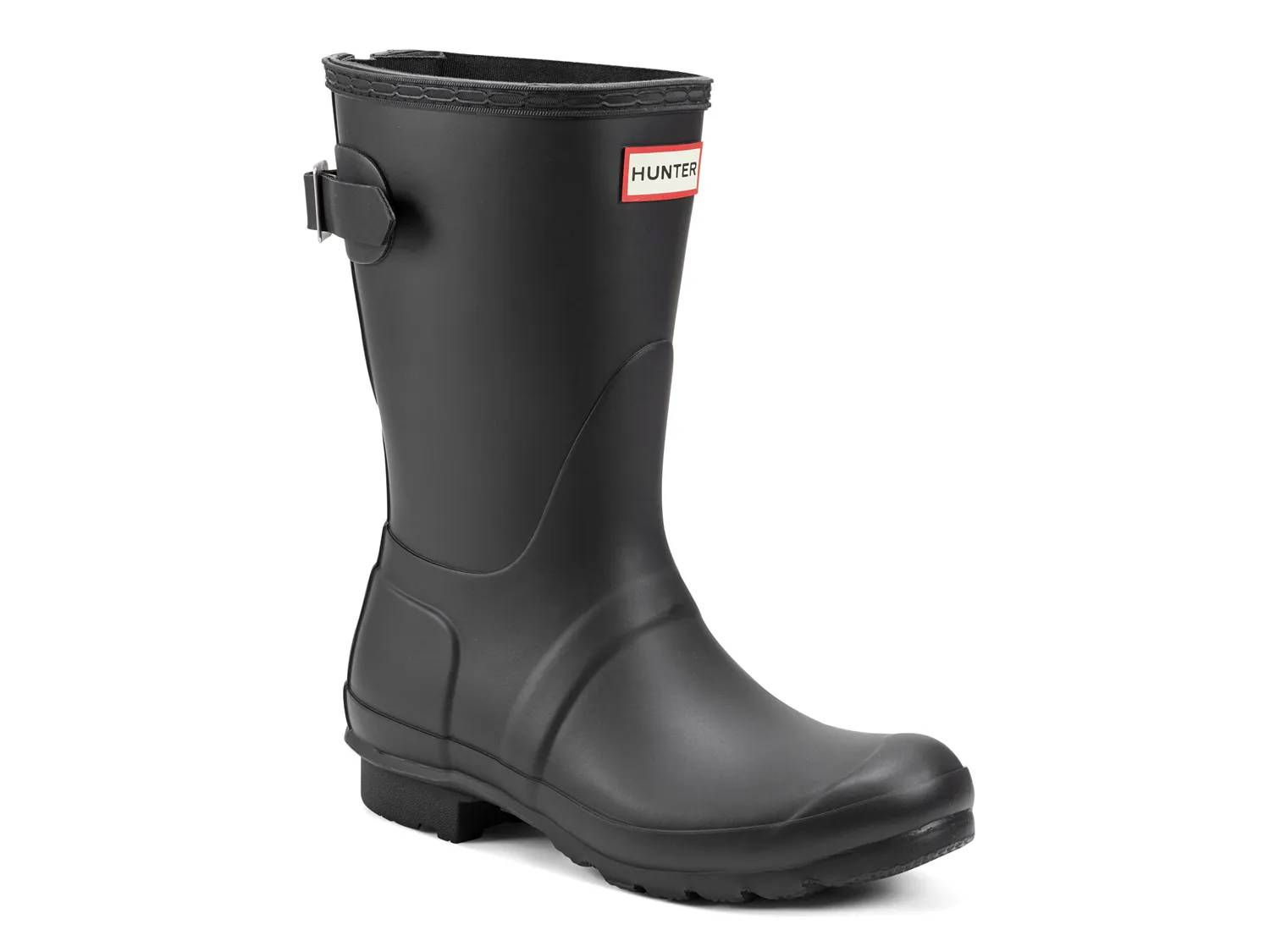
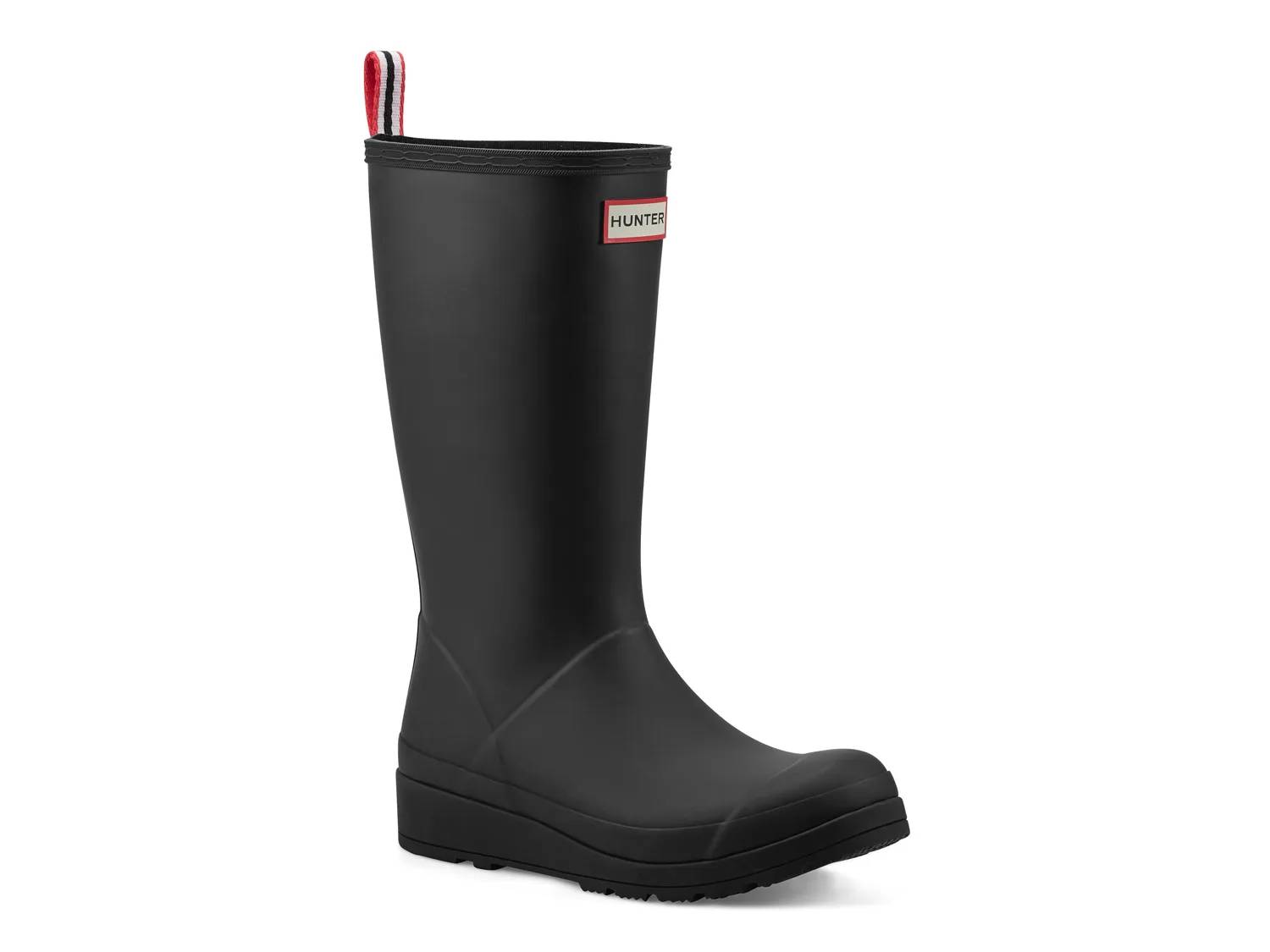
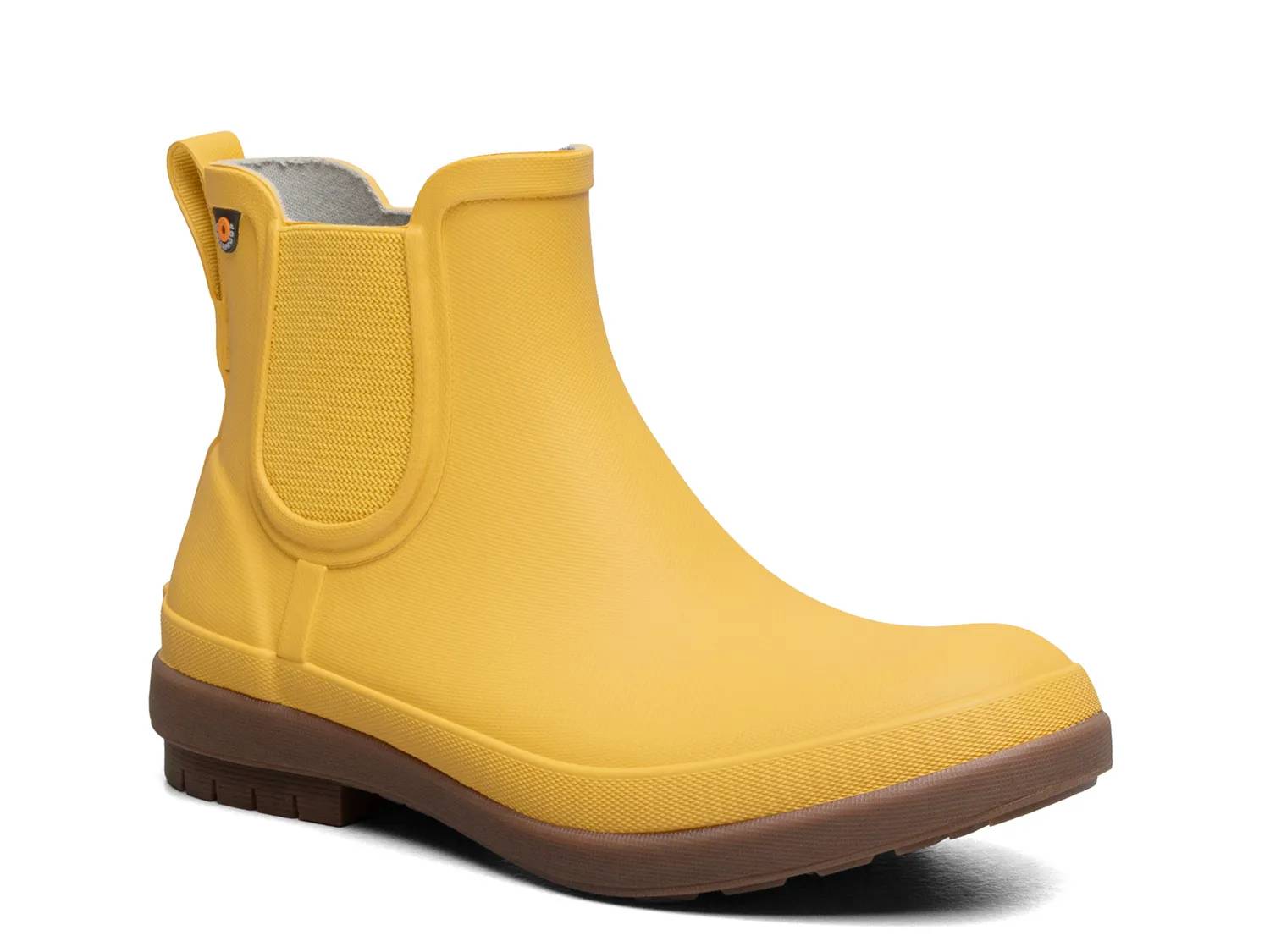
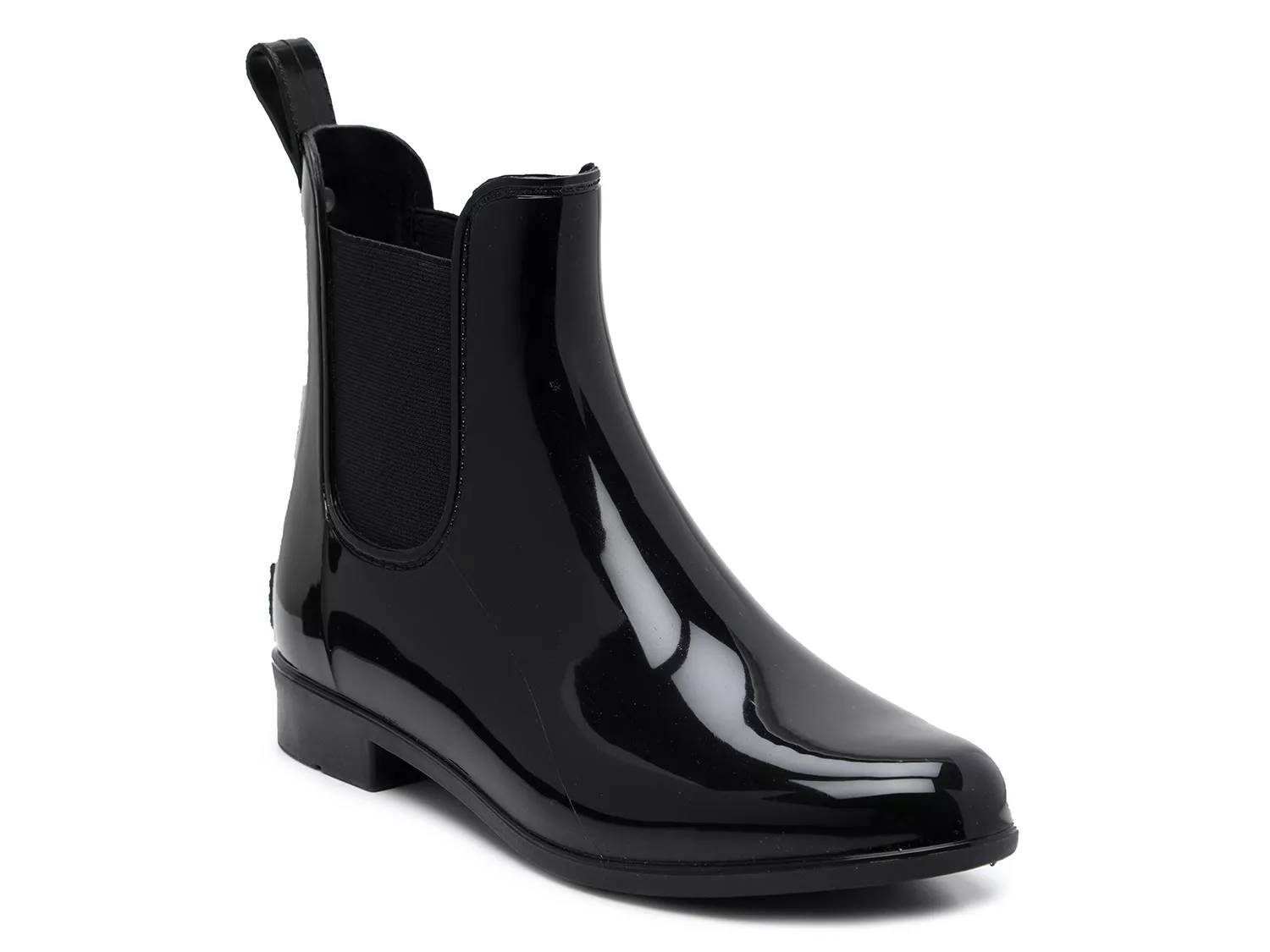
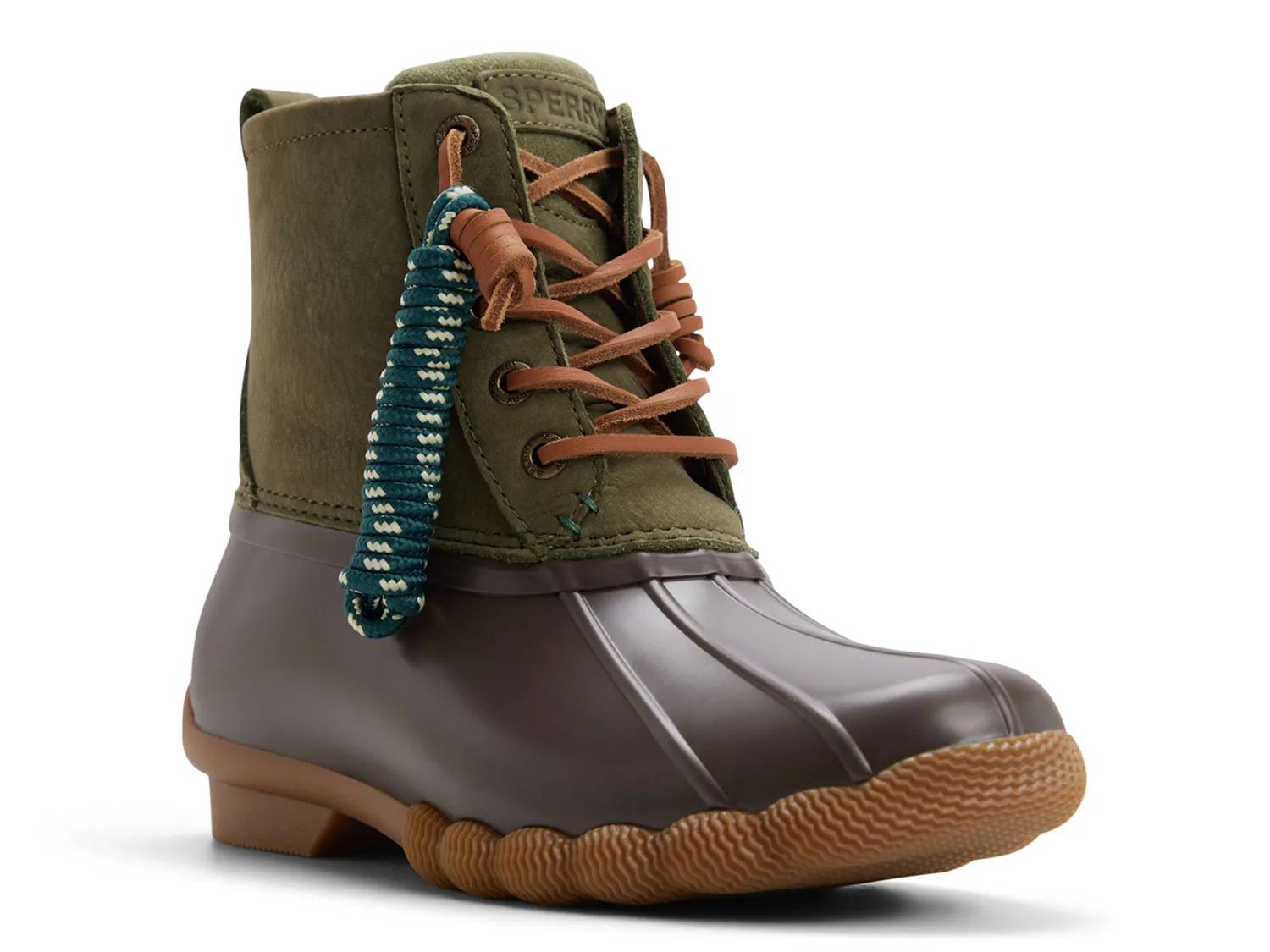
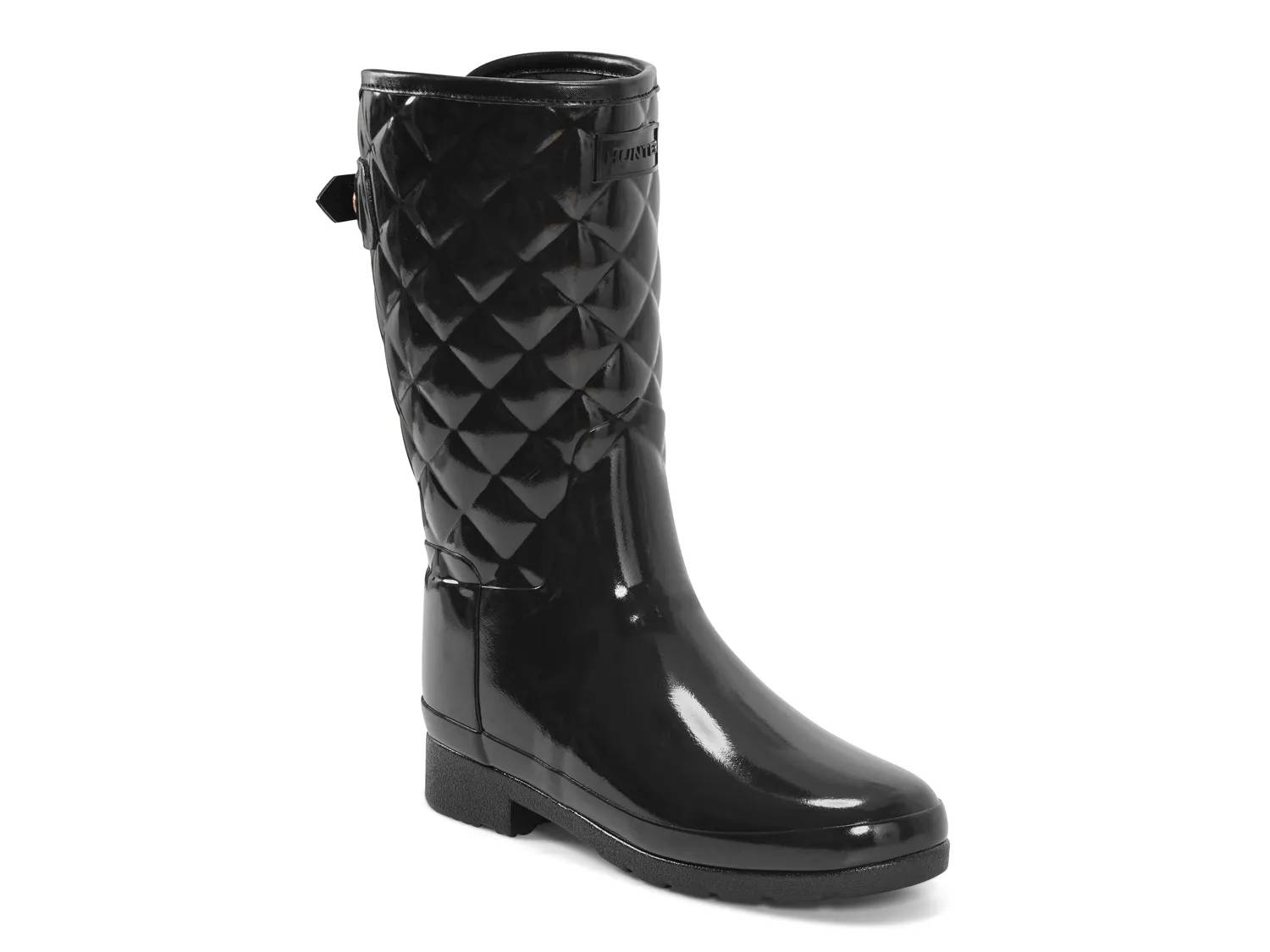
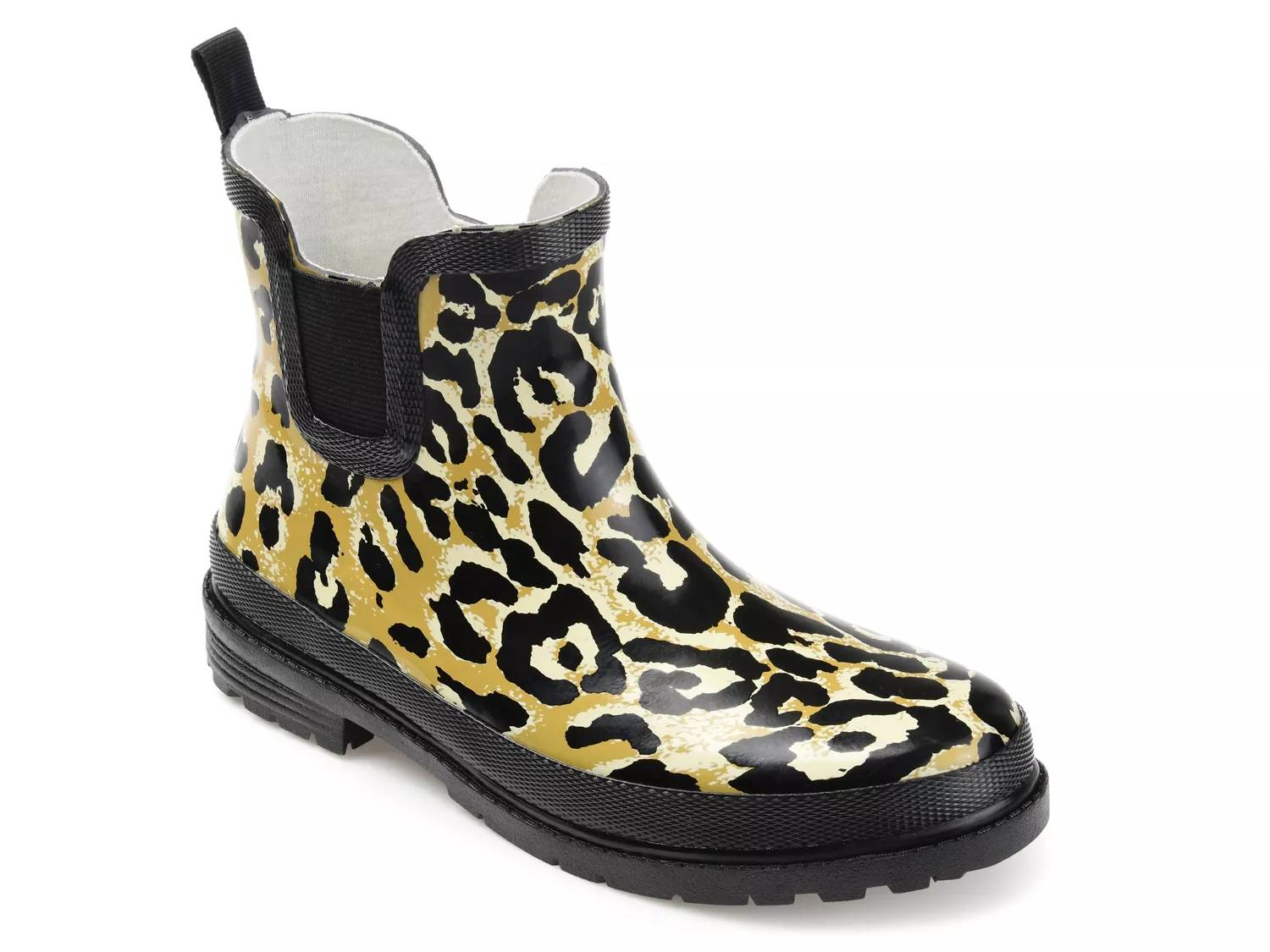
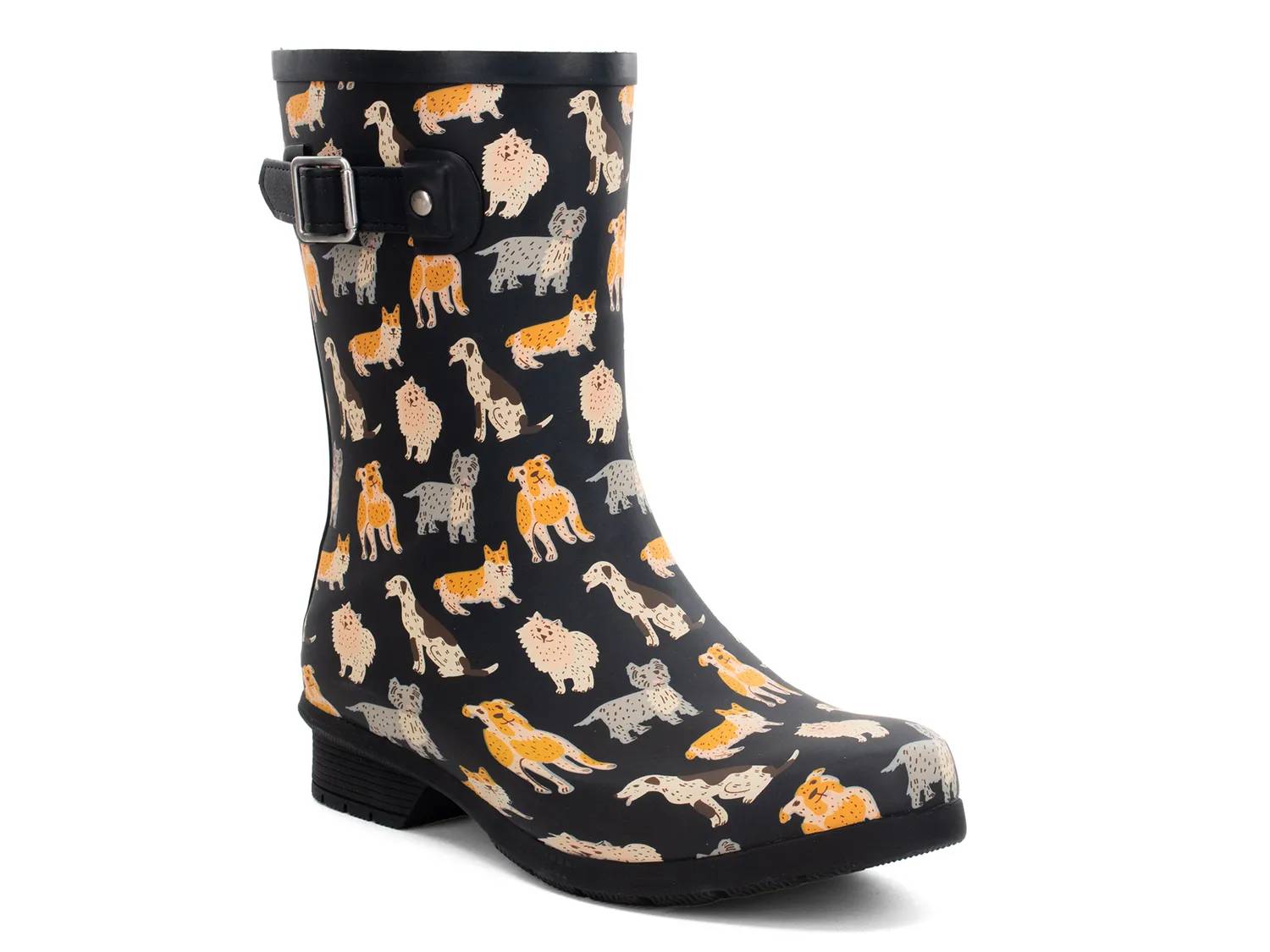
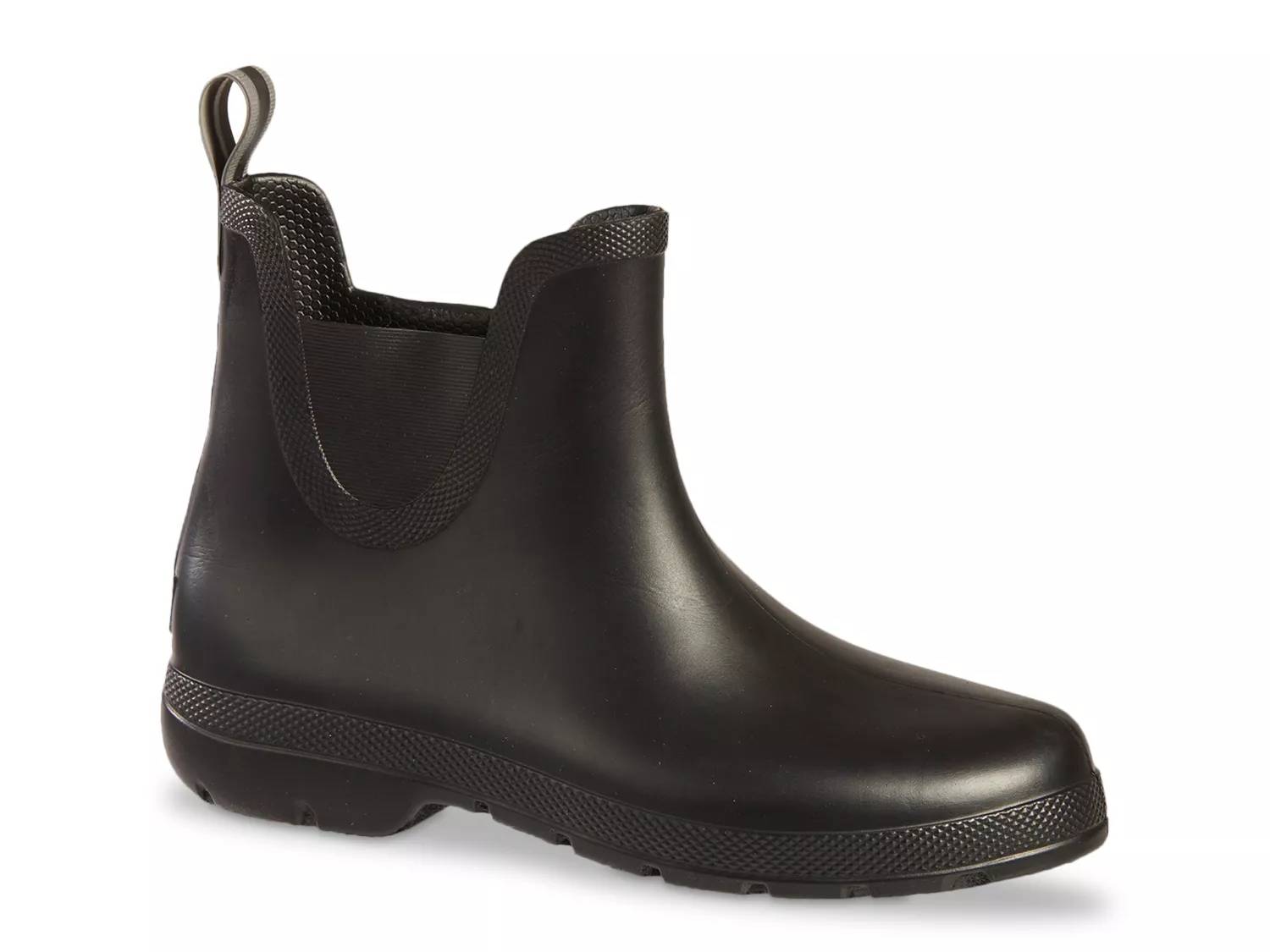
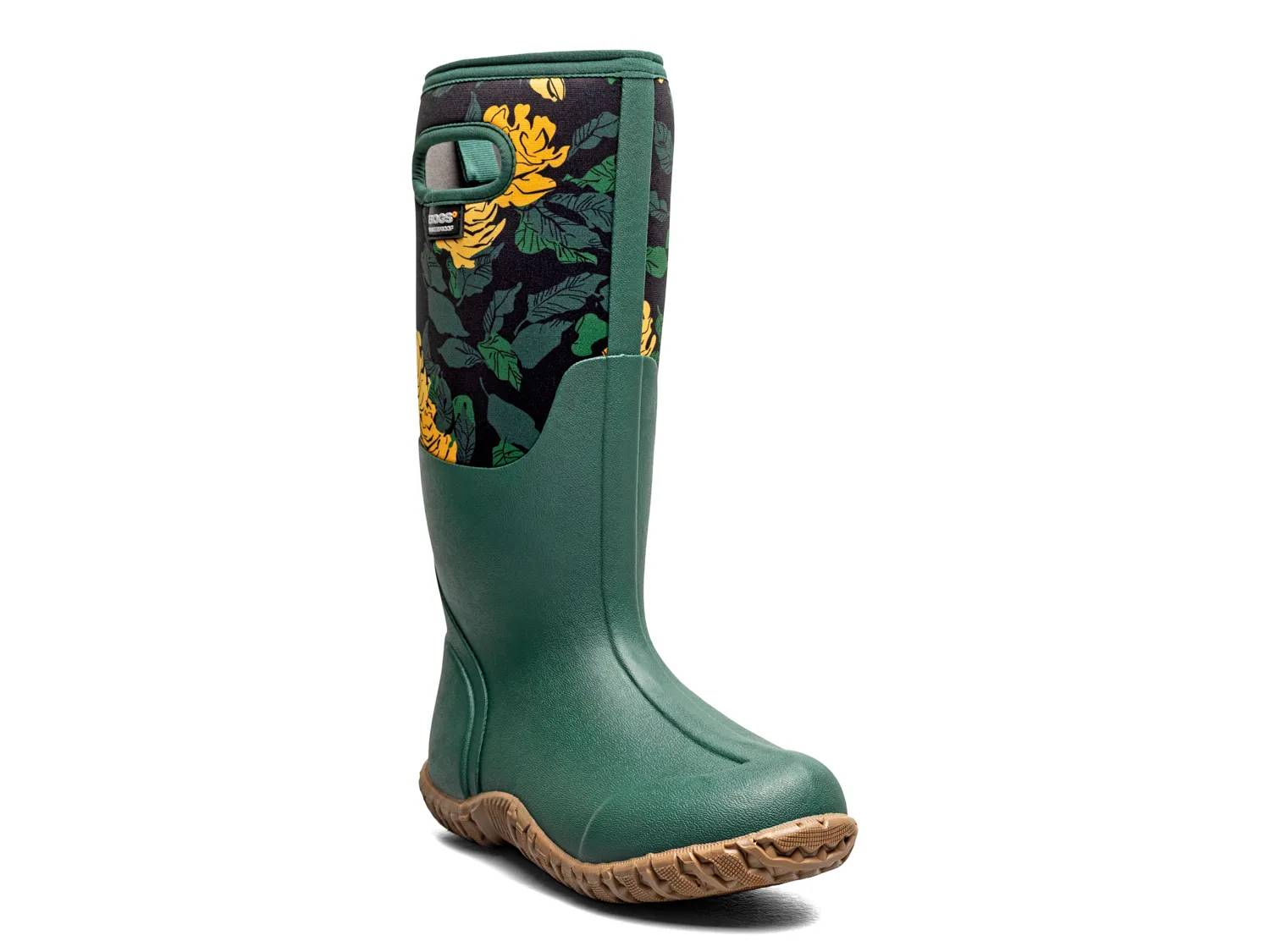
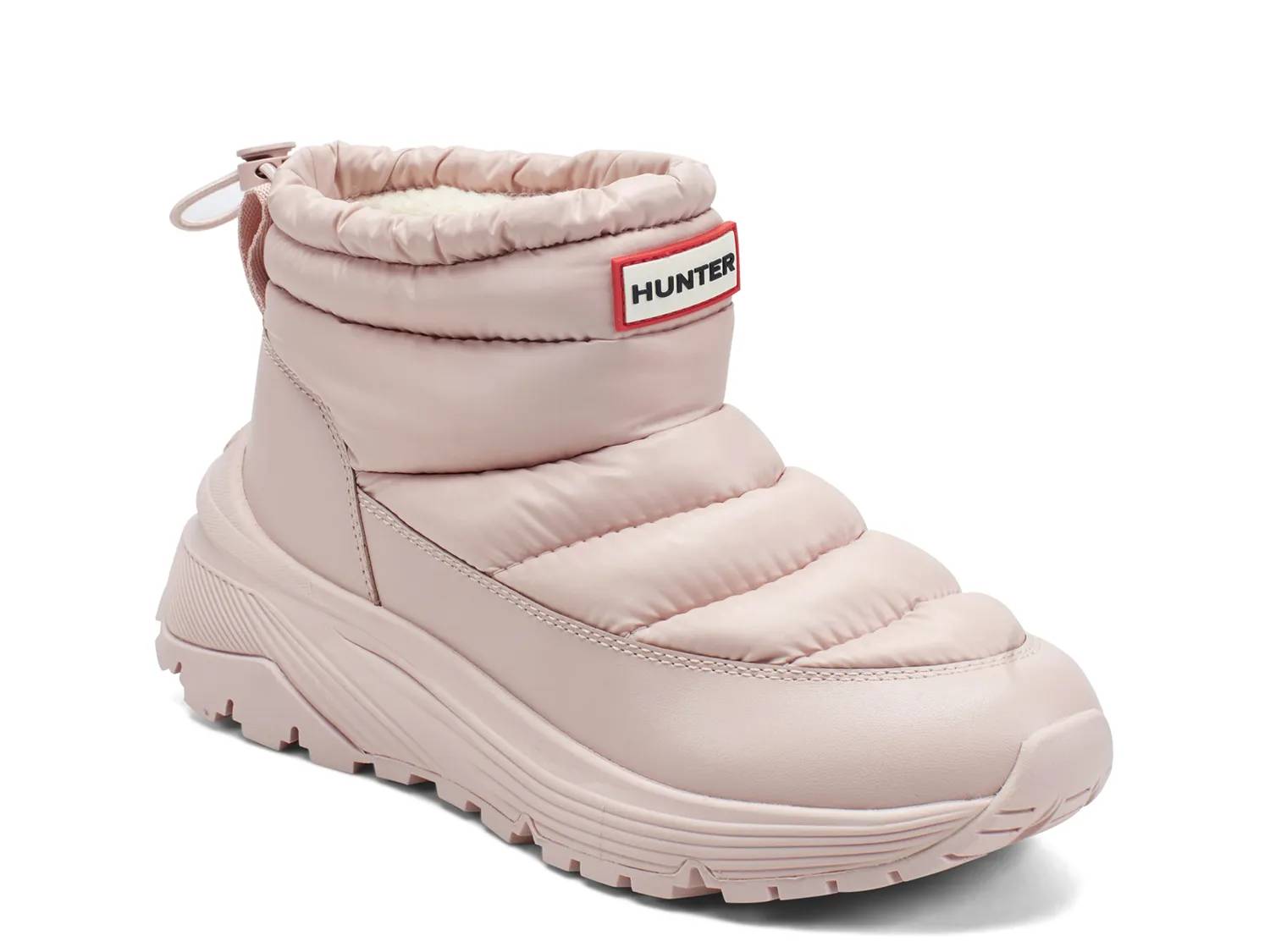
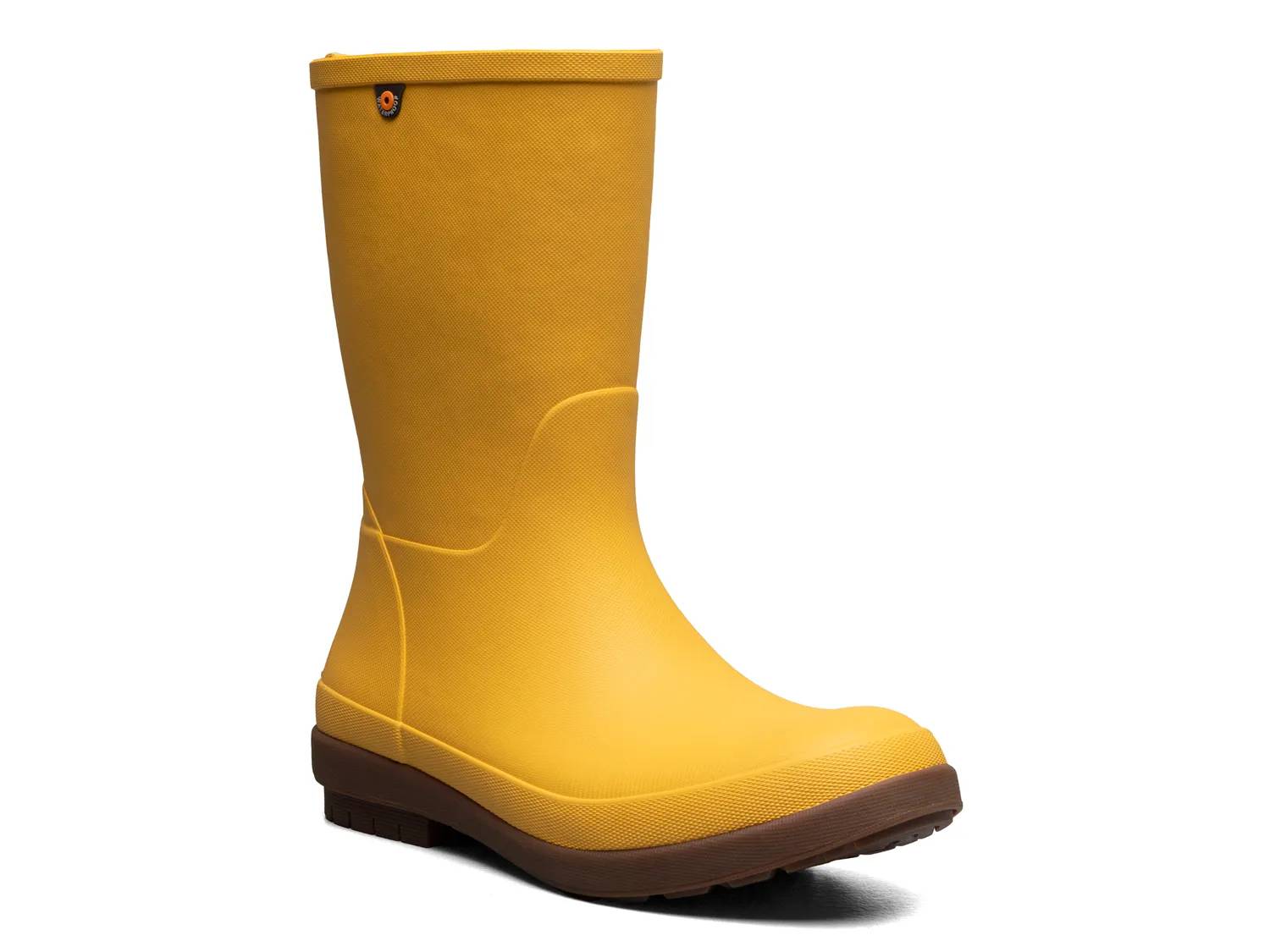
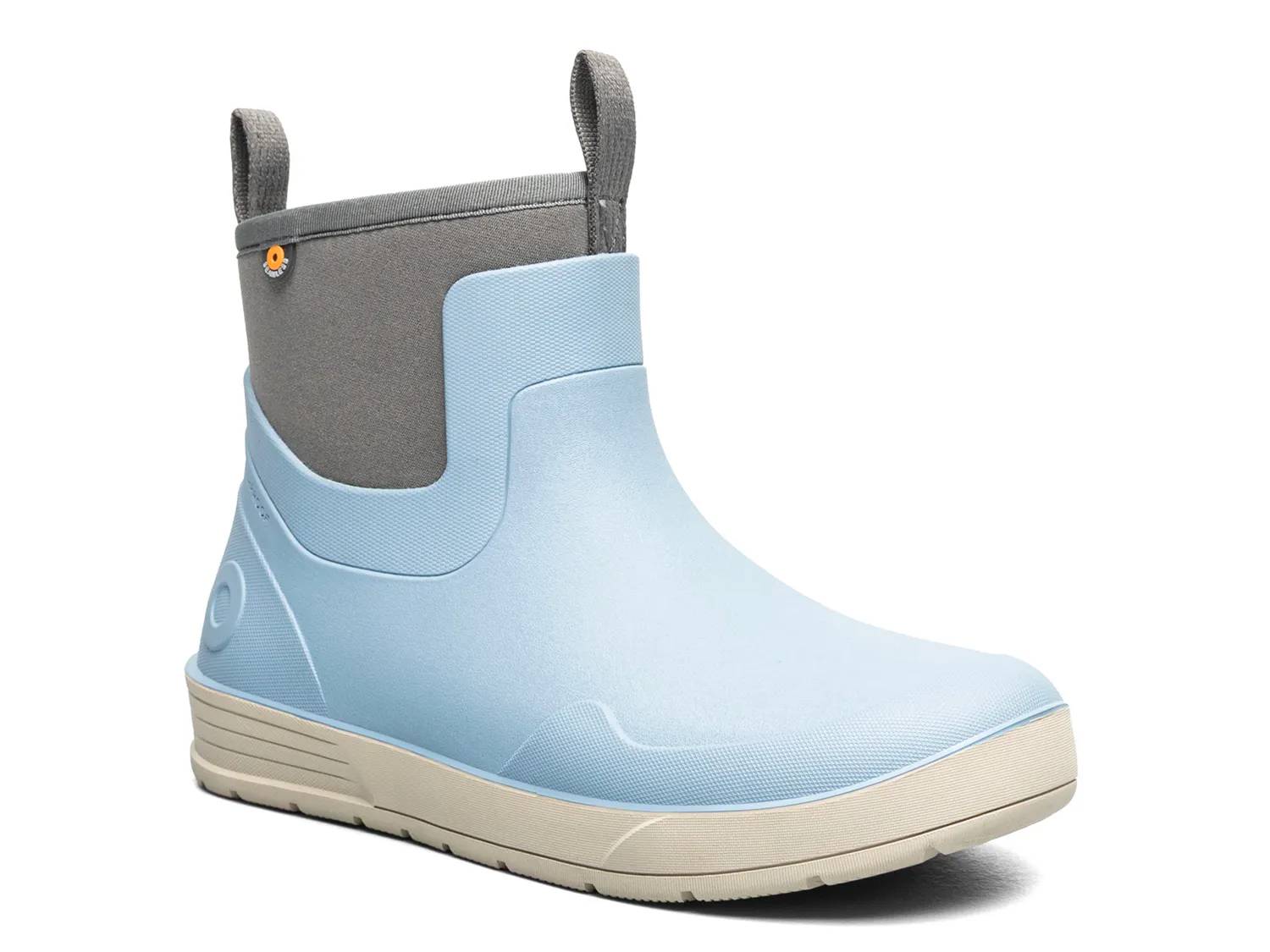
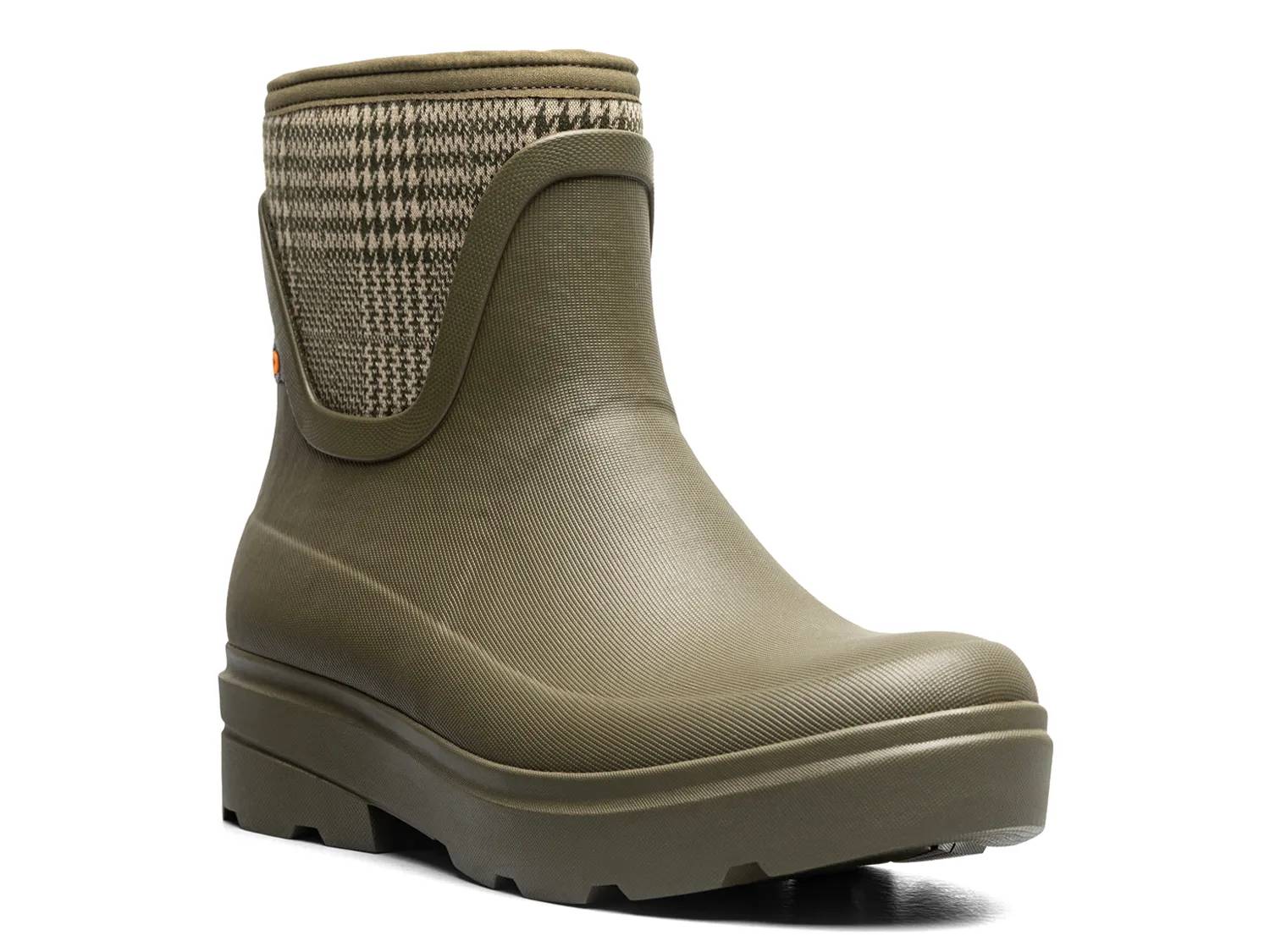
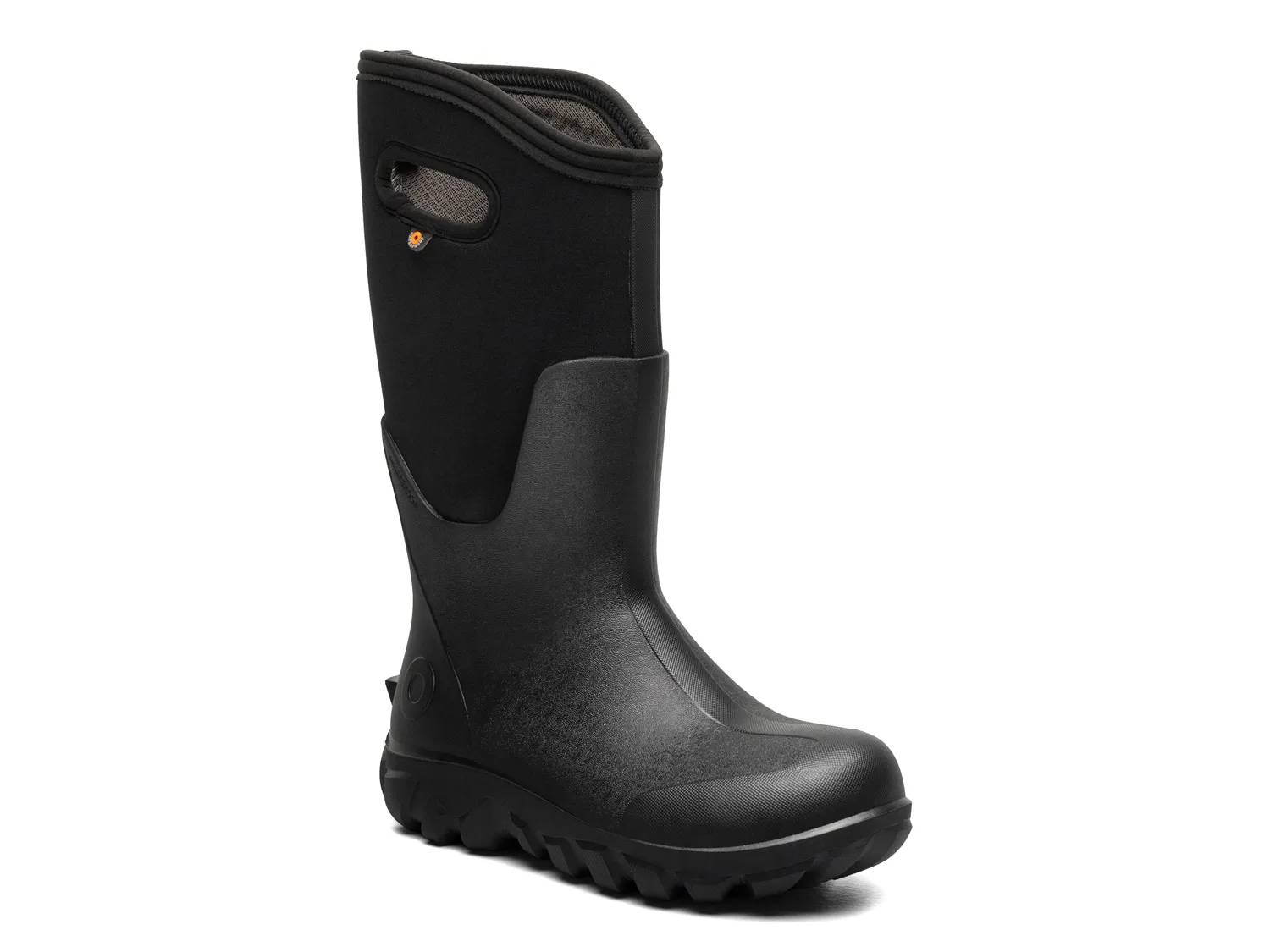
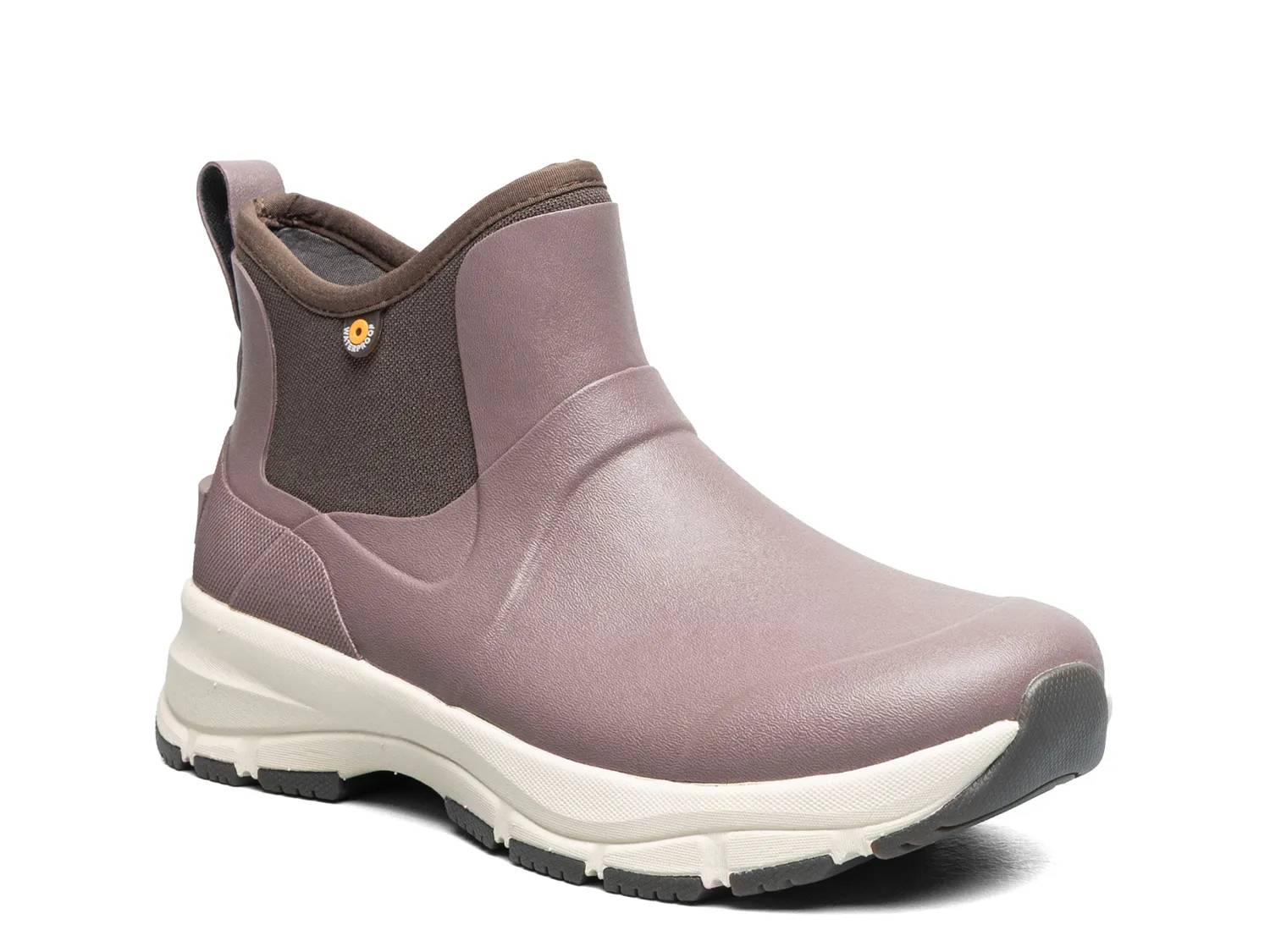
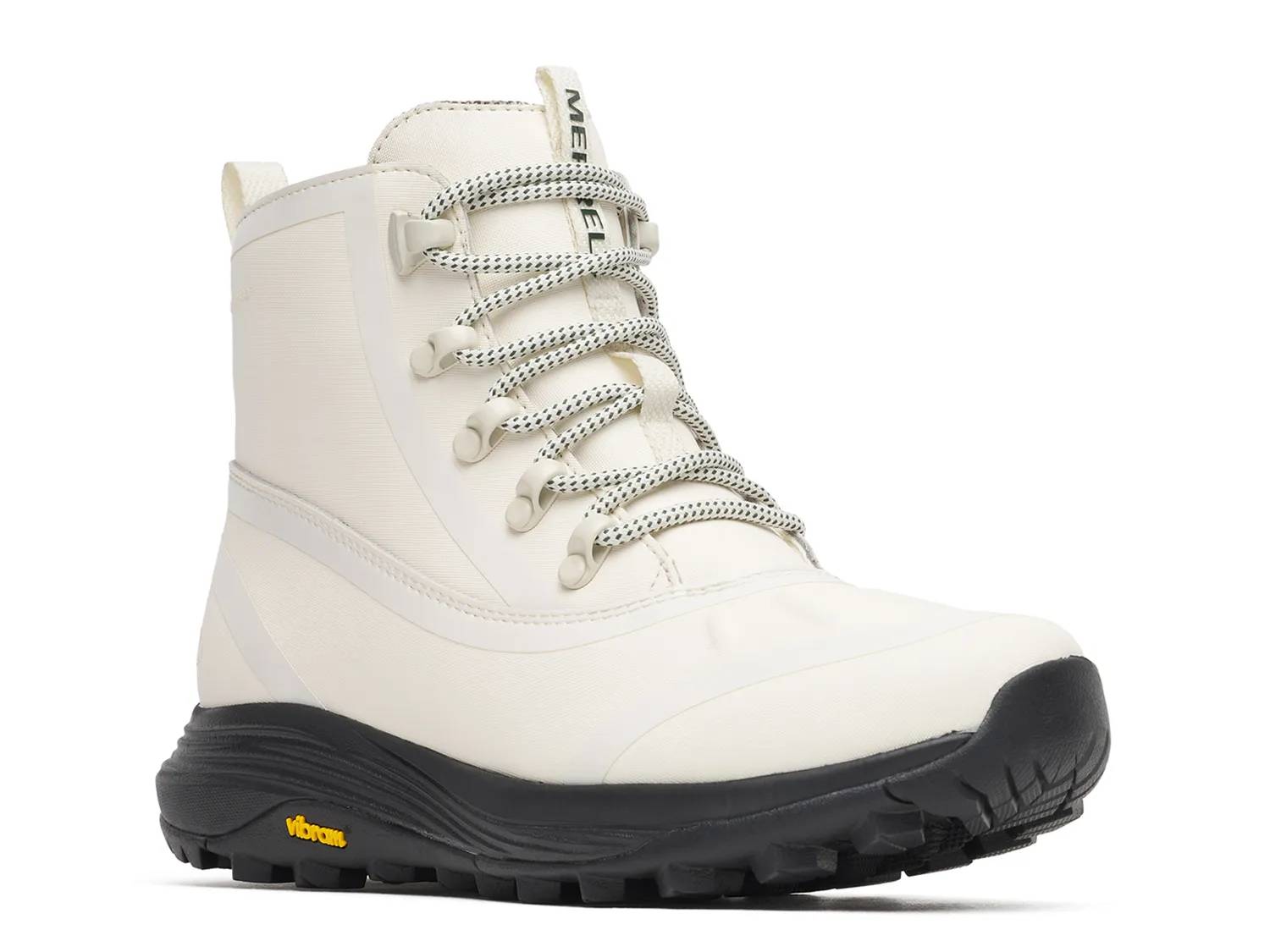
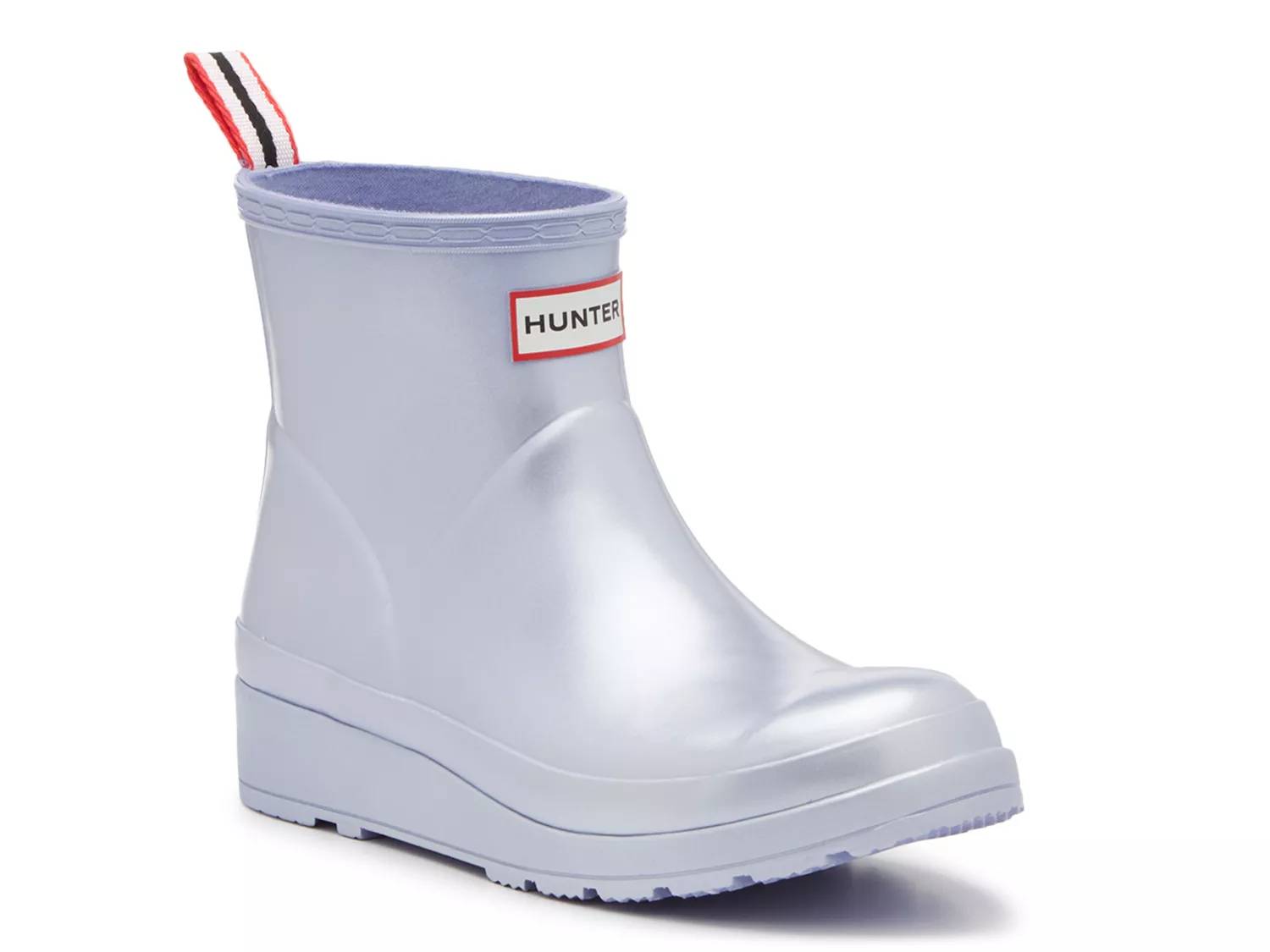
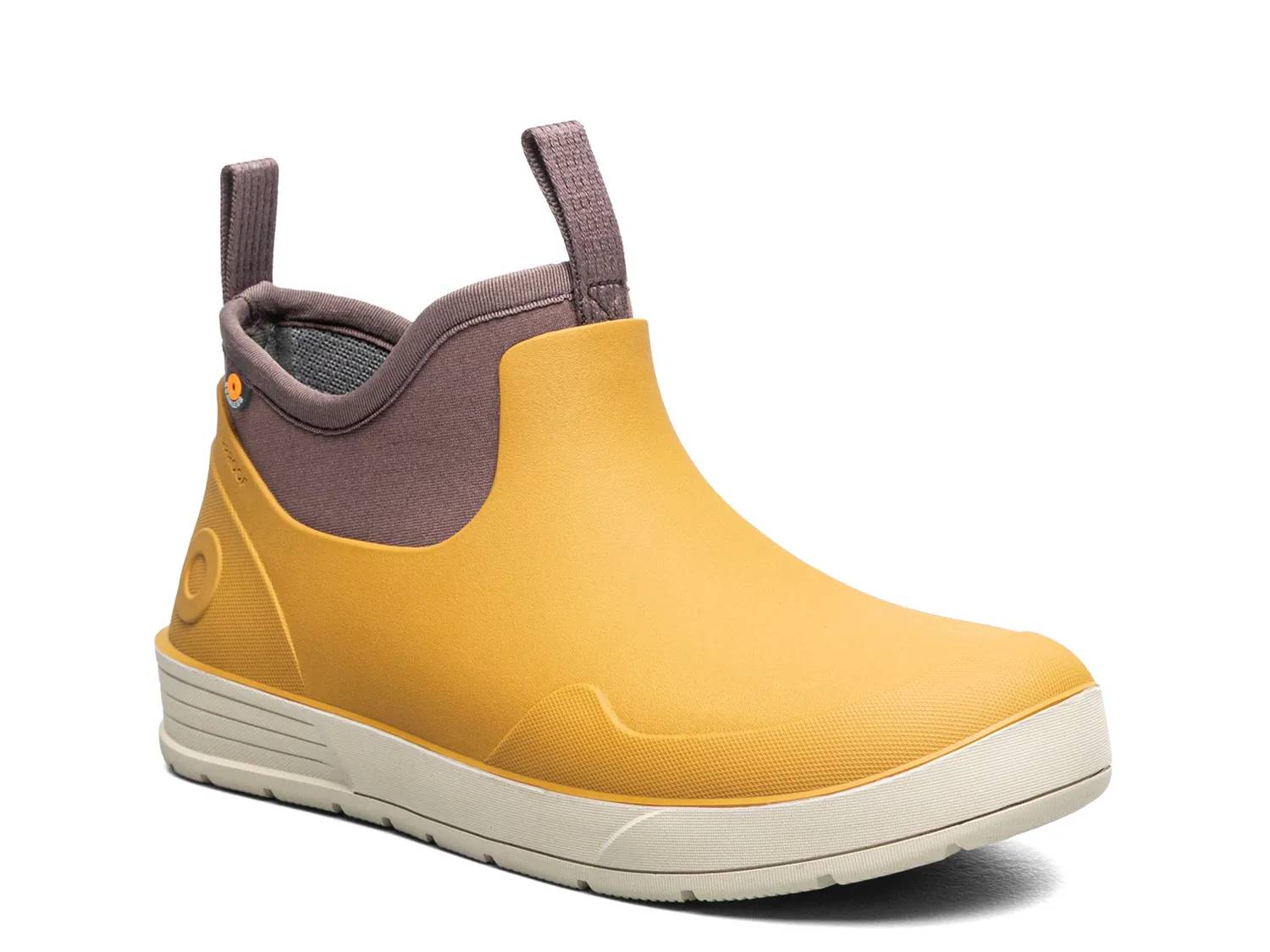
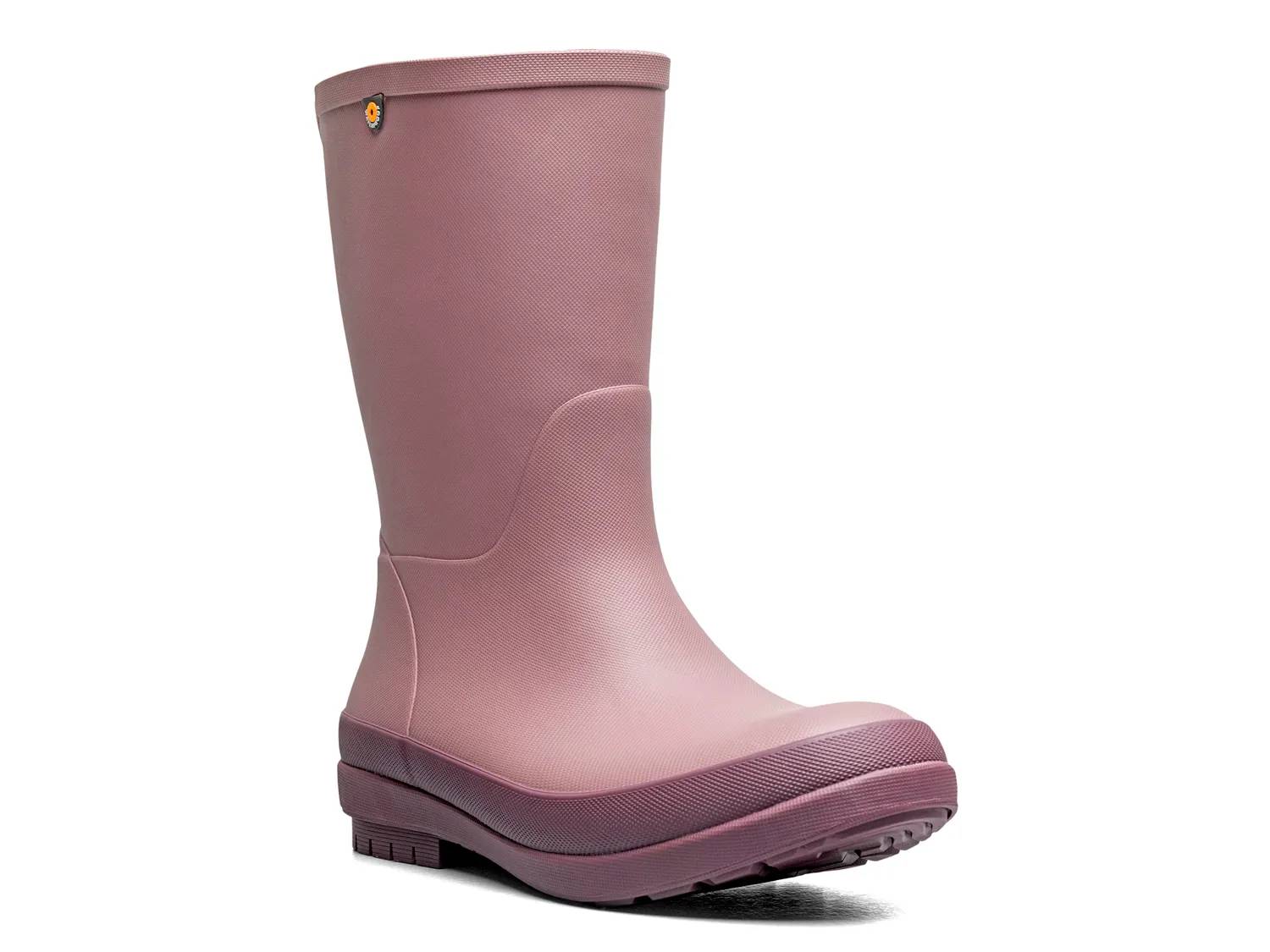
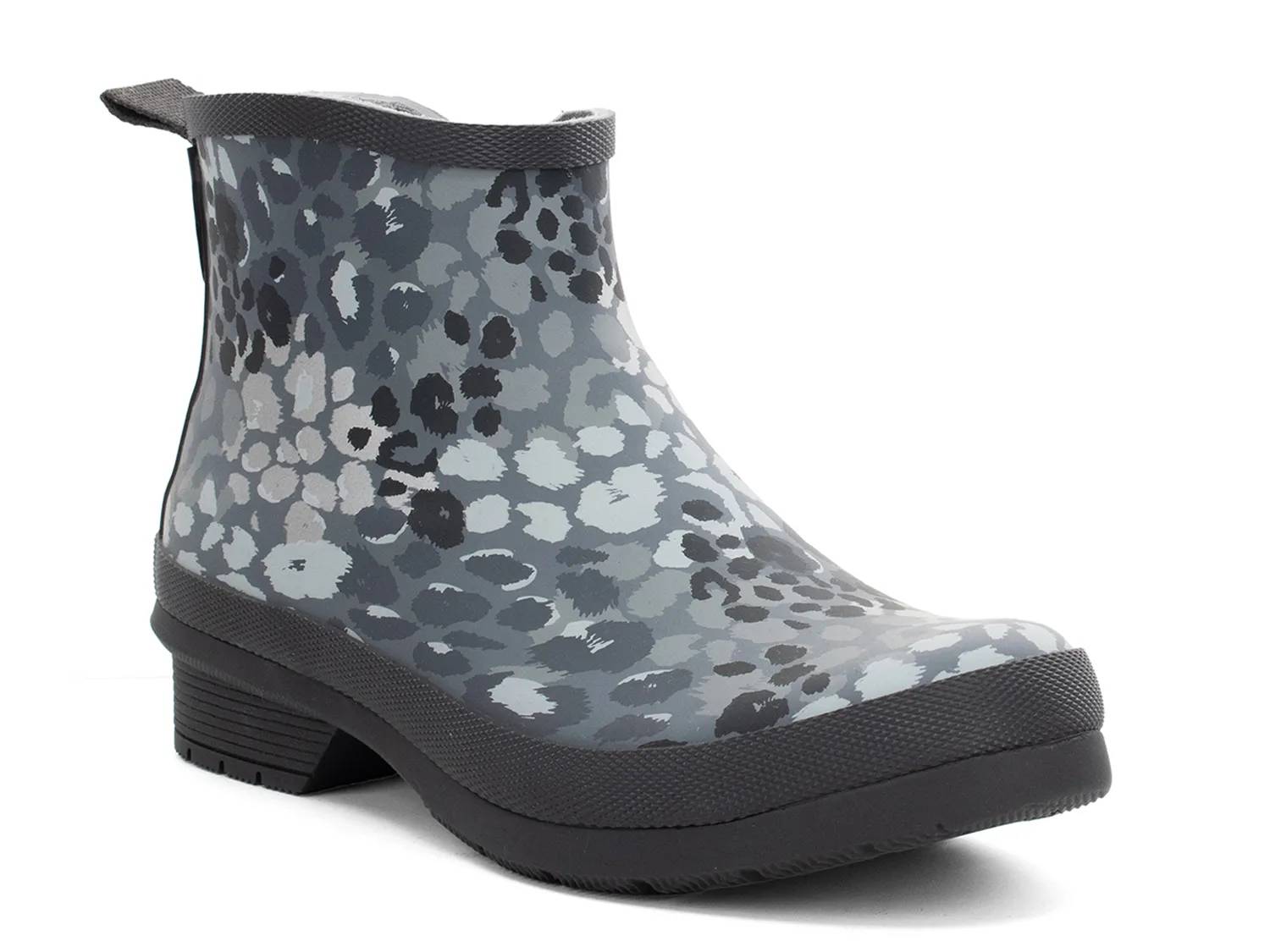
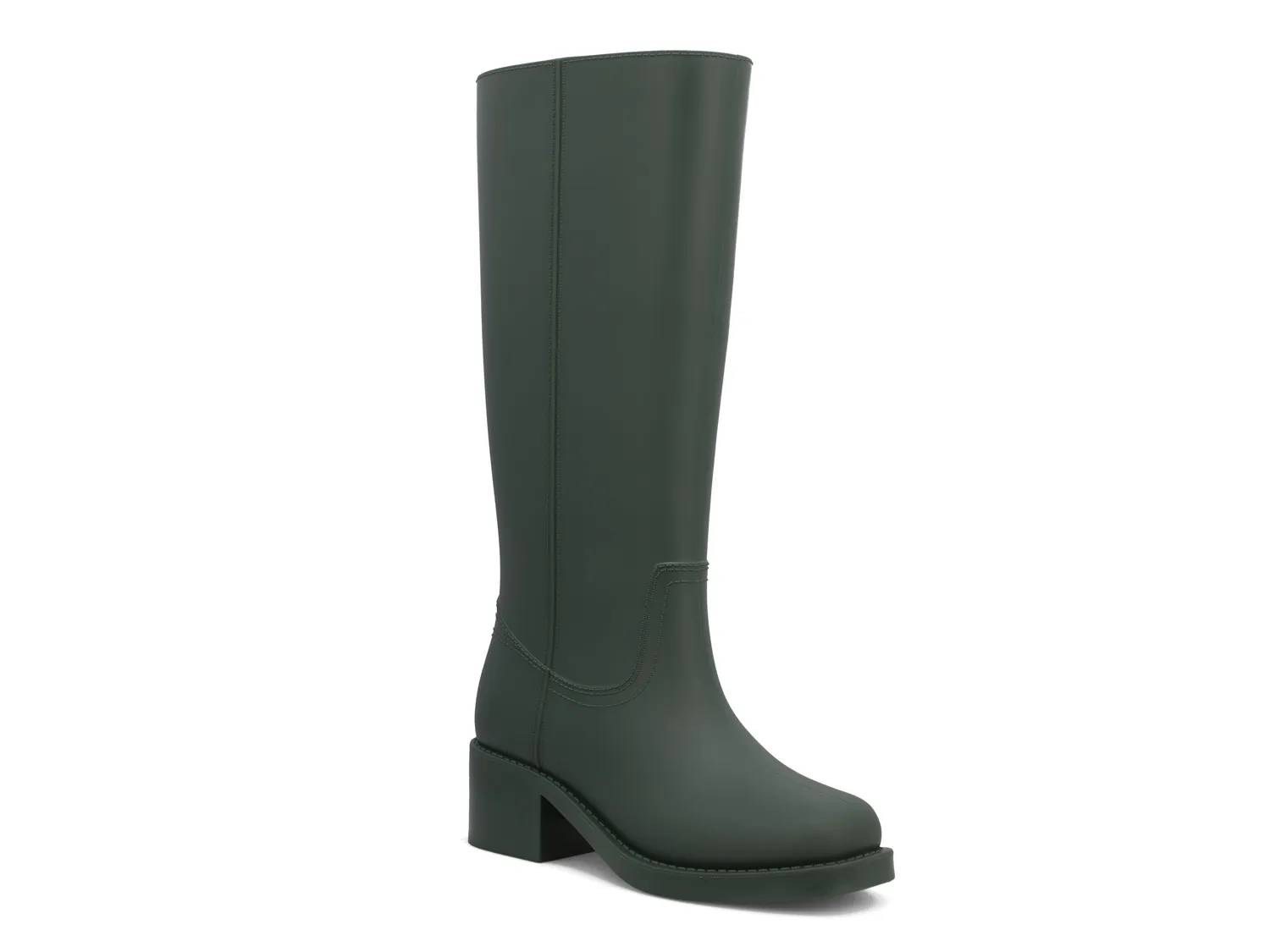
Shop Women's Rain Boots for Wet-Weather Days
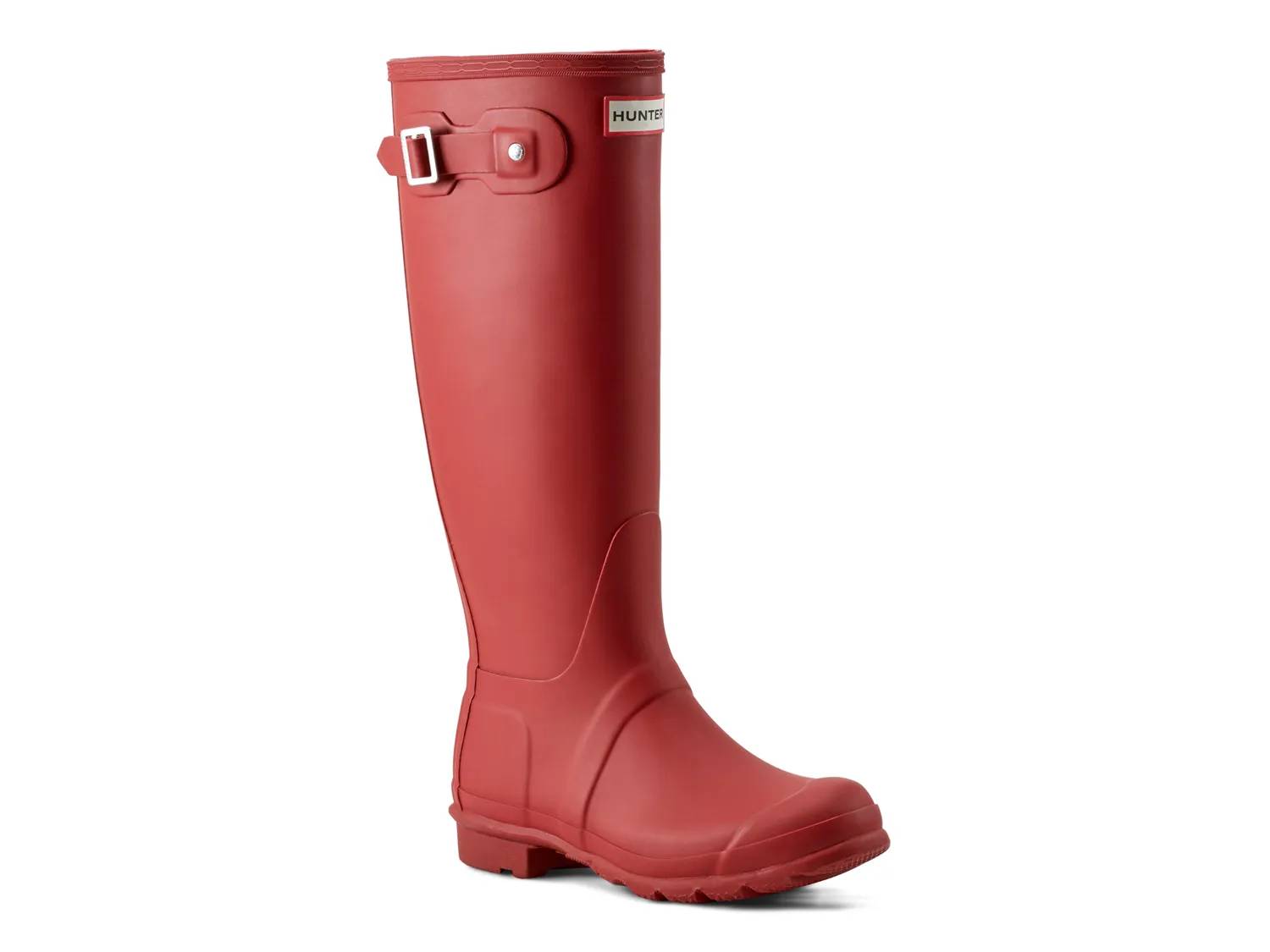
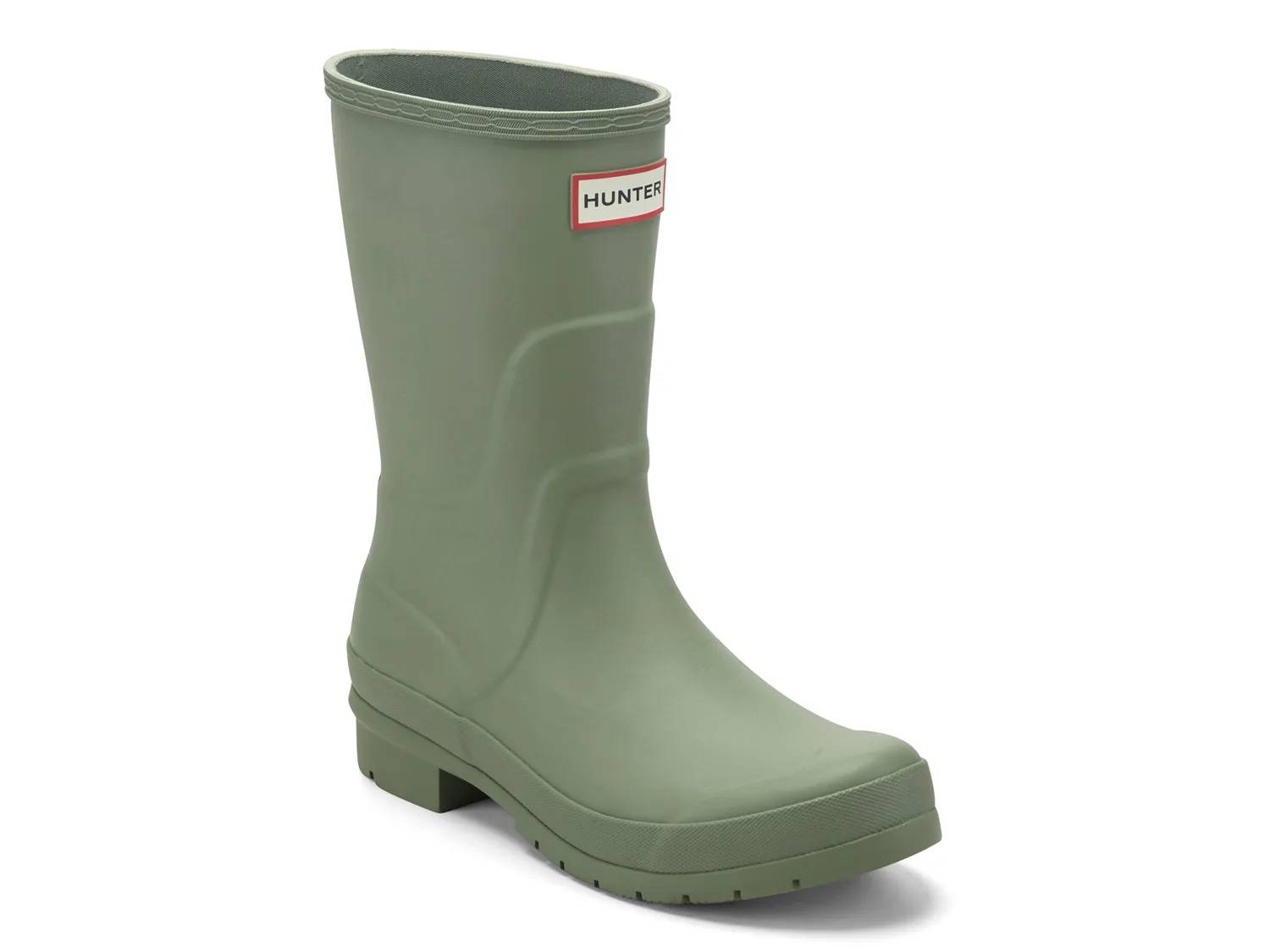
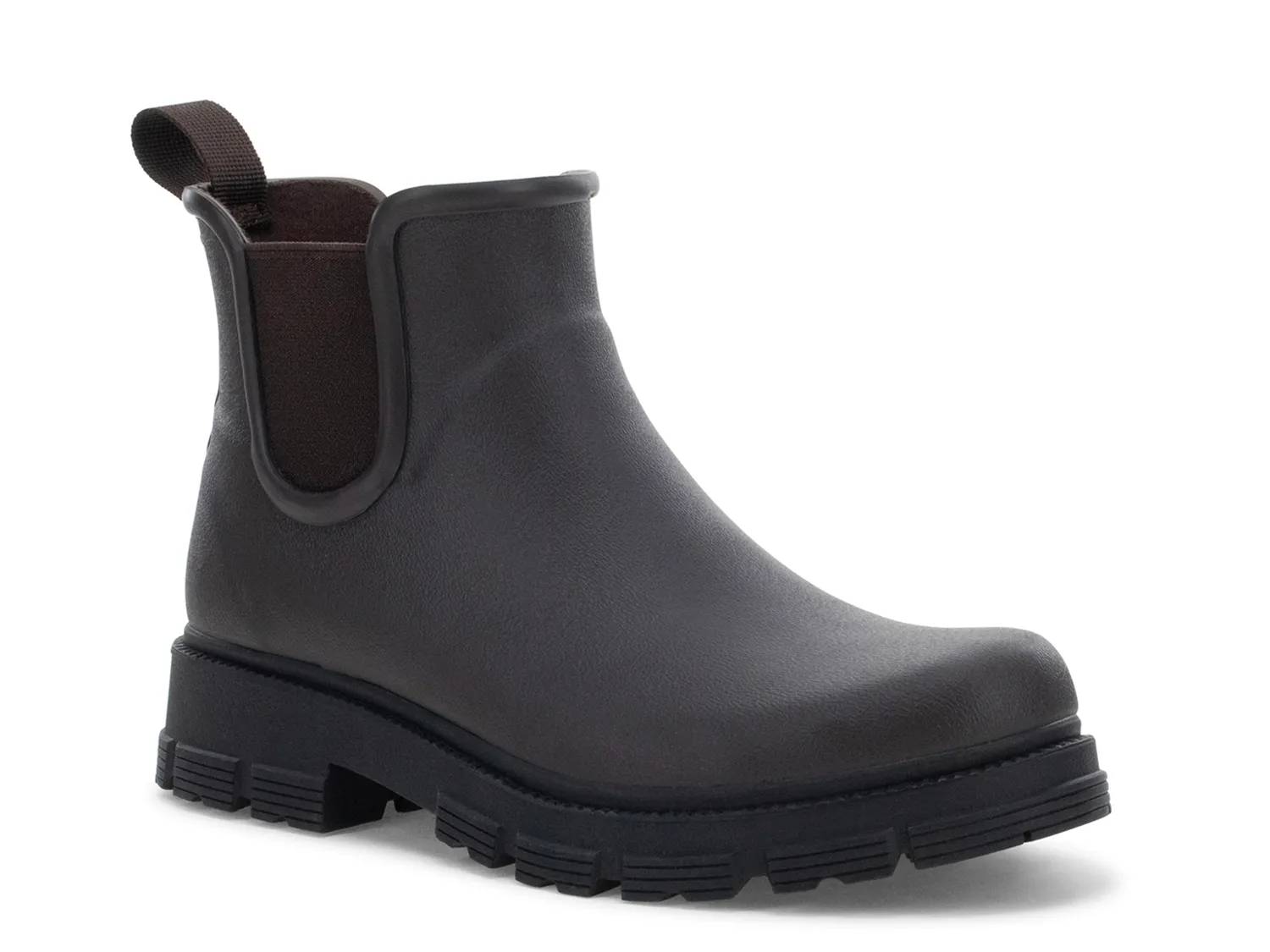
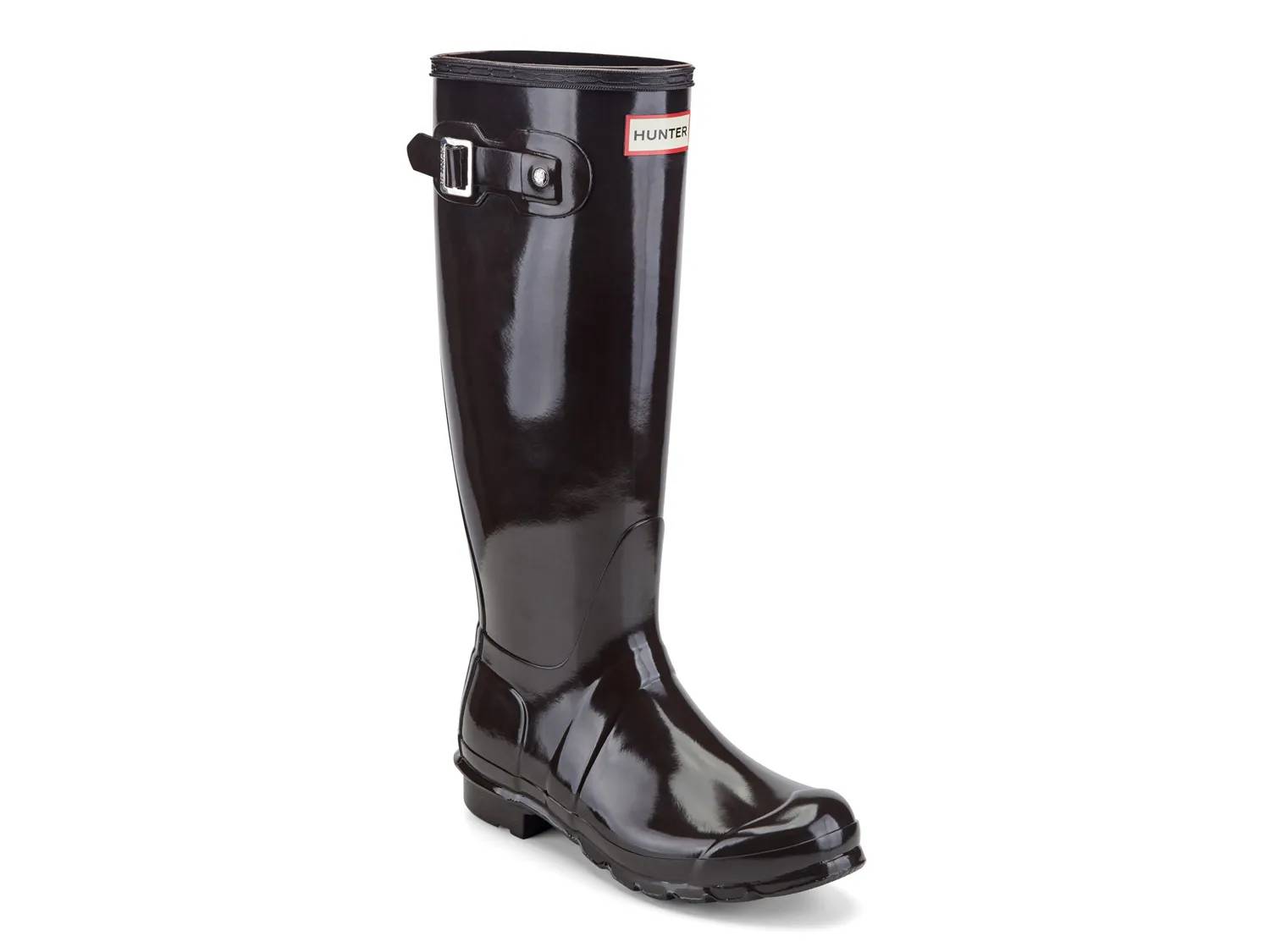
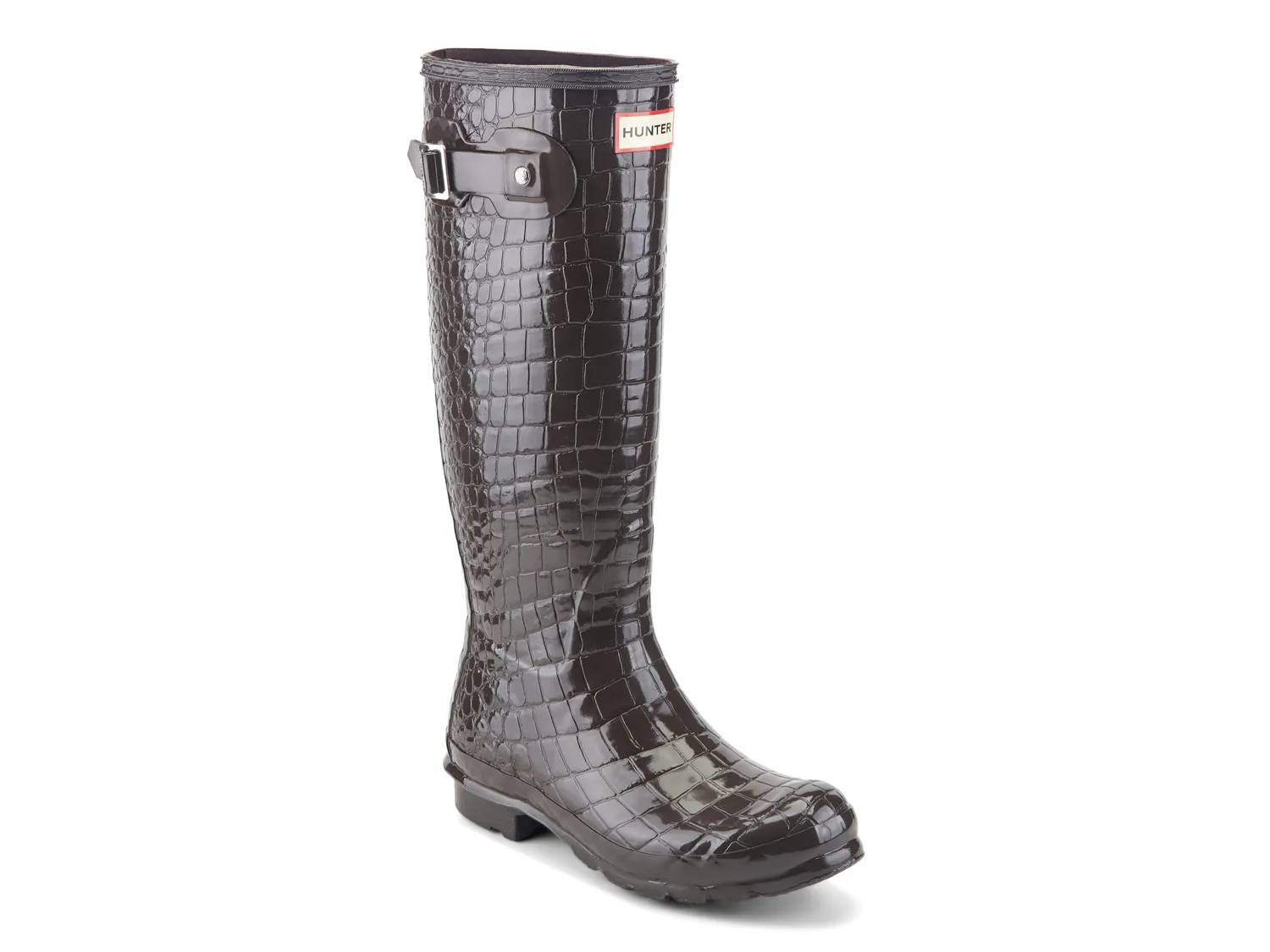
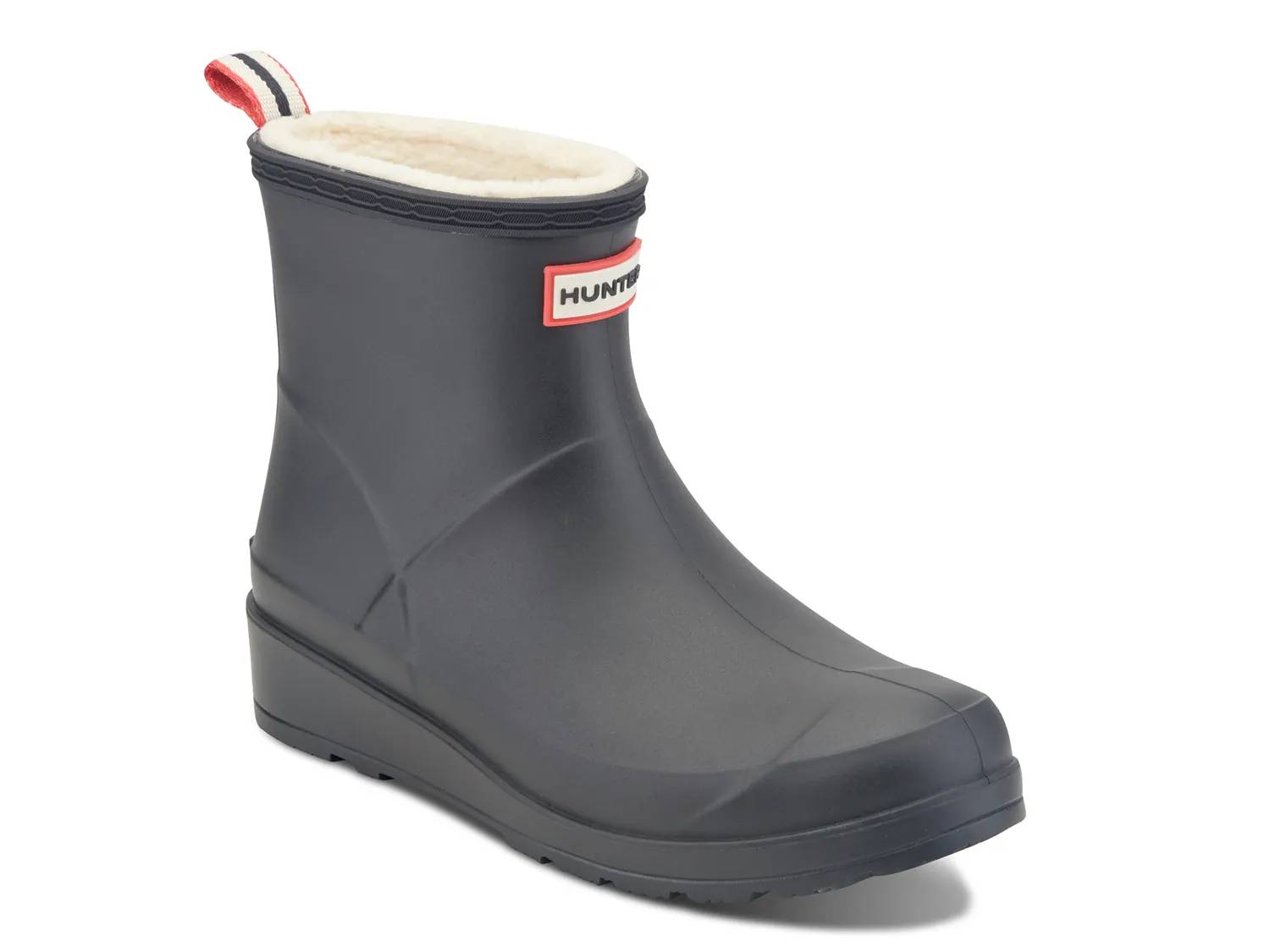
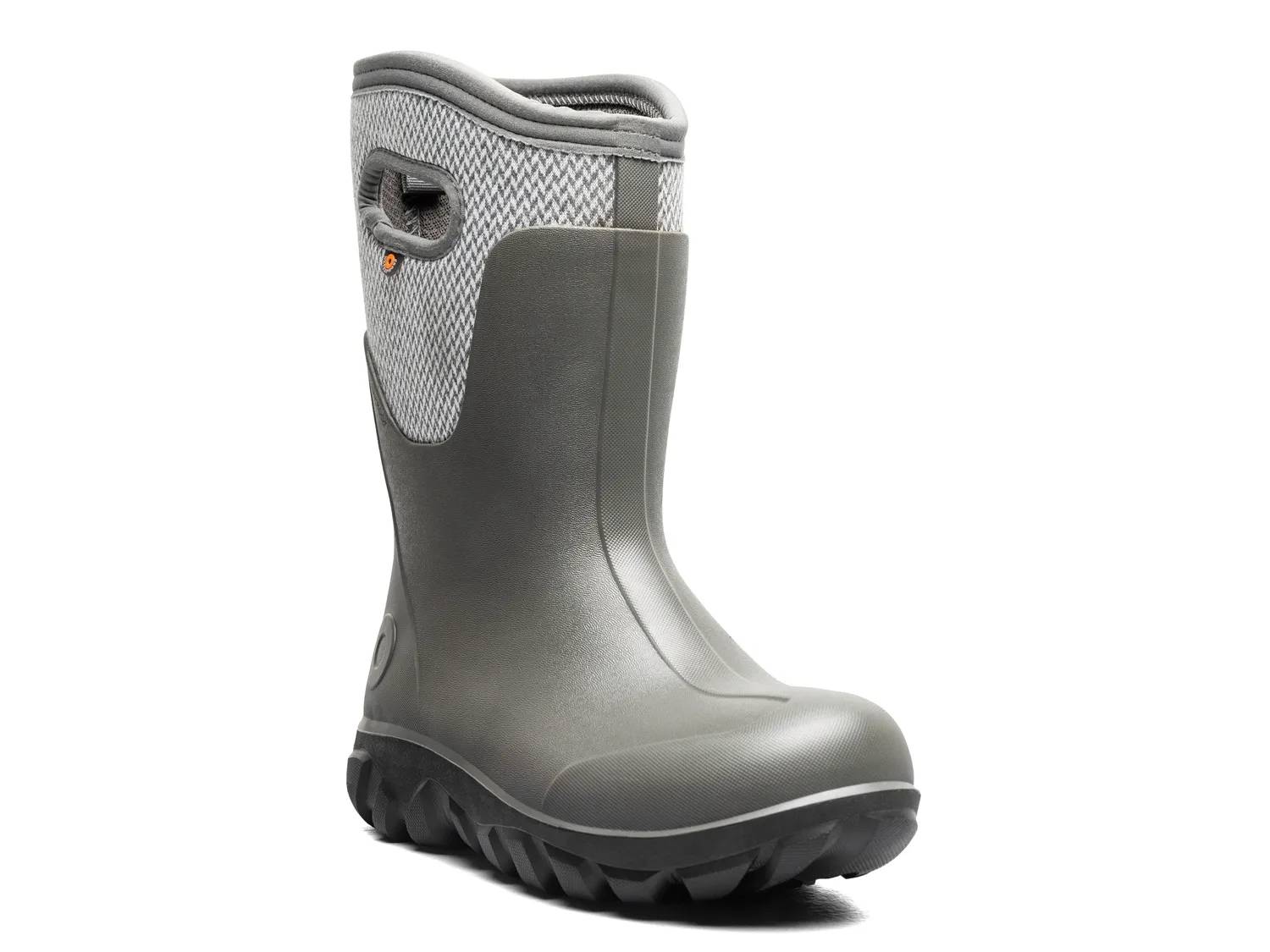
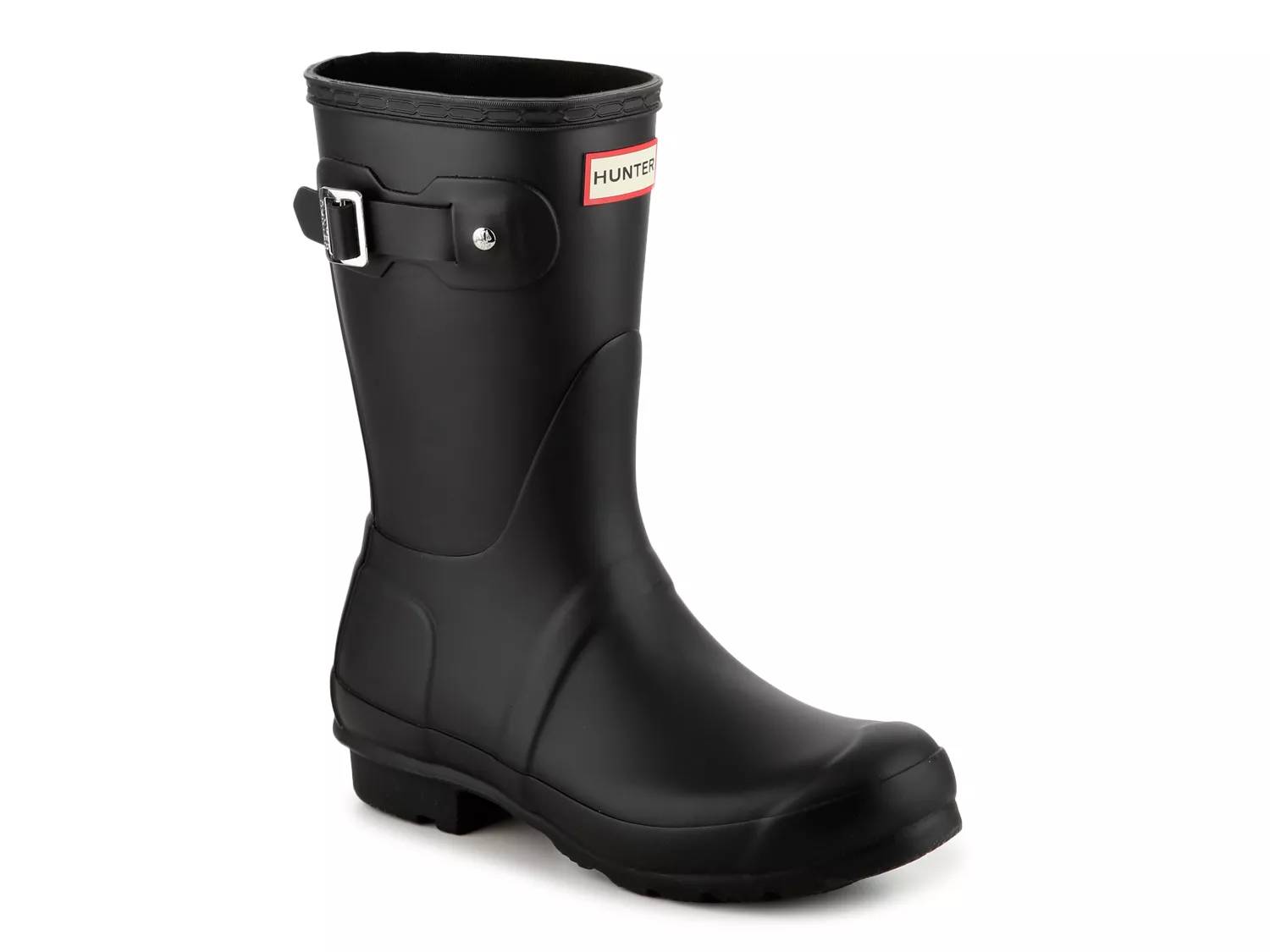
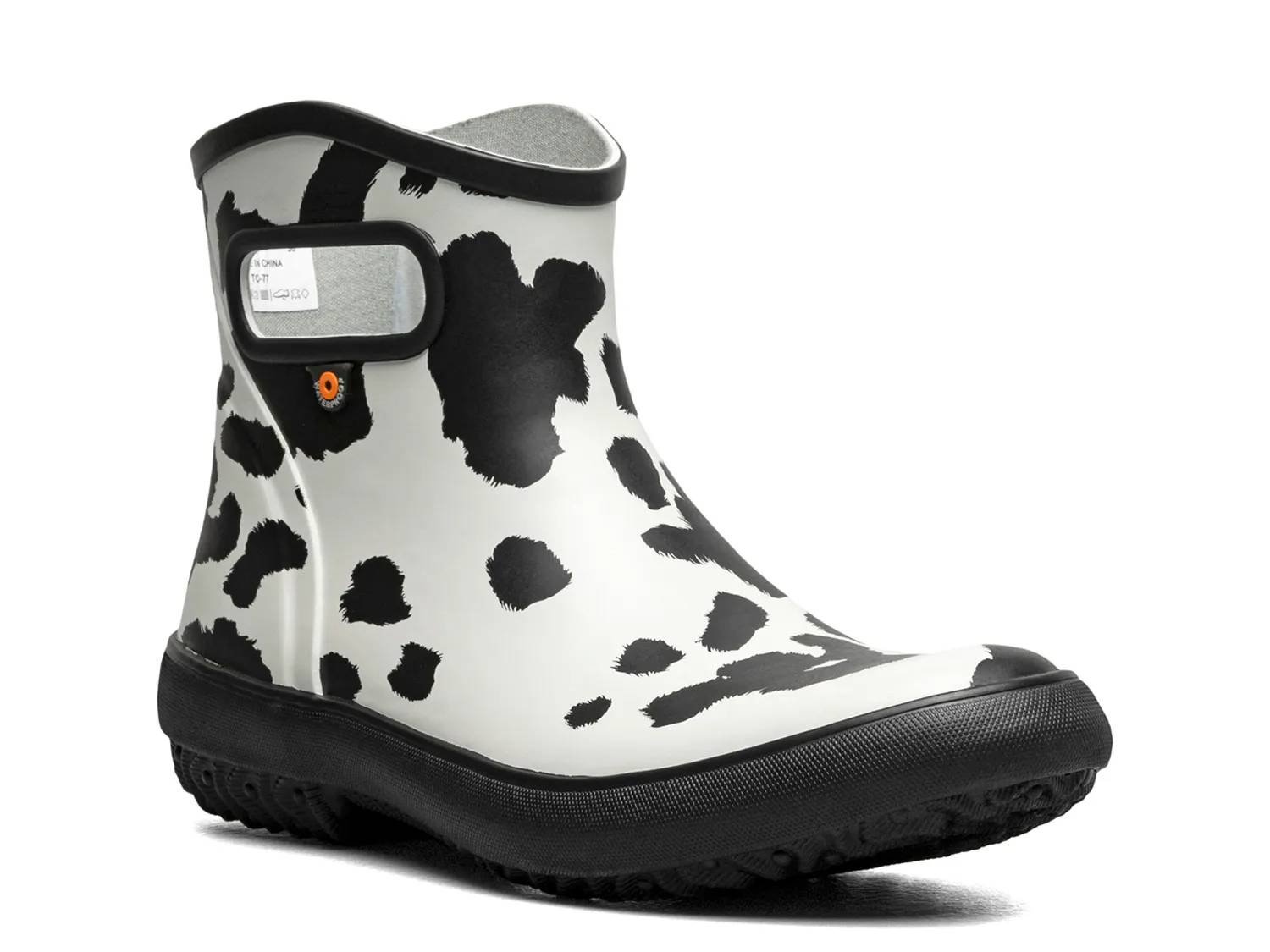
Rain boots exist to solve one problem well: keeping your feet dry when the weather doesn't cooperate. Browsing the full boots collection is a good way to see how rain-ready styles compare to boots built for cold or dry conditions. A taller shaft keeps water out during deeper puddles or heavier downpours, while a shorter, ankle-height style stays lighter and easier to move in on a drizzly day.
The Details Behind Staying Dry
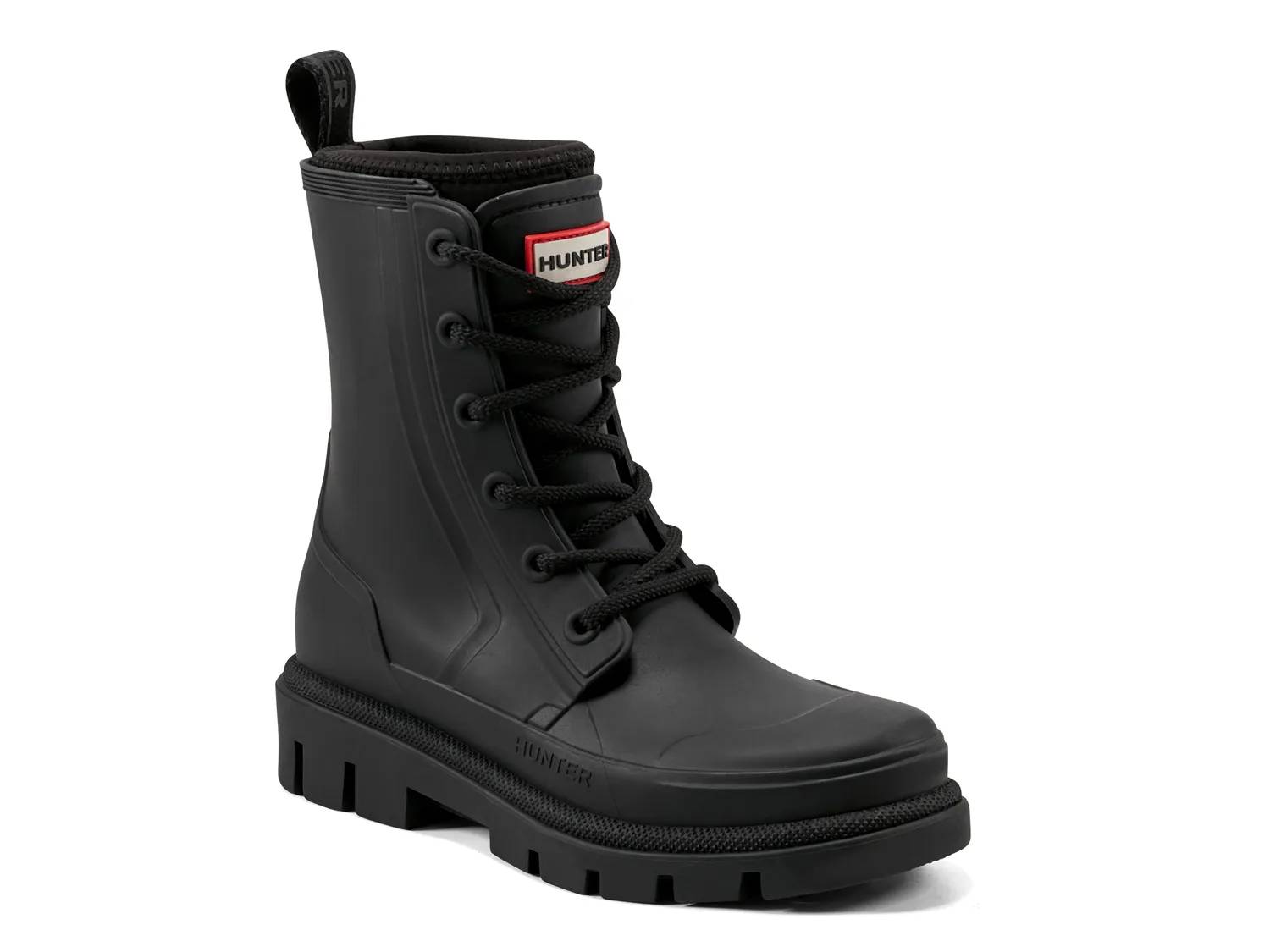
Construction changes a lot about how a rain boot performs once the weather turns. A waterproof rubber or PVC shell keeps water out completely, unlike a treated fabric upper that resists moisture but can eventually soak through in heavy rain. A textured, deep-tread outsole grips wet pavement and slick surfaces better than a smoother sole built for dry conditions. A looser calf opening makes boots easier to pull on and off, while a snugger fit keeps water from splashing in from above.
Matching a Rain Boot to Your Routine
A lot of rain boots end up doing more than one job, moving from a school drop-off to a grocery run without much of a wardrobe change in between. Pairing a pair with the right gear, like moisture-wicking socks from DSW's accessories shop, keeps feet more comfortable if you're in them for a full day. Here are a few construction details worth checking before you commit to a pair:
- A fully sealed rubber or PVC shell keeps feet dry through standing water
- A removable insole allows for easy cleaning or added cushioning
- A textured outsole improves grip on wet pavement, tile, or grass
- A wider calf opening makes boots easier to pull on over jeans or leggings
FAQs
Are rain boots waterproof or just water-resistant?
True rain boots are fully waterproof since they're made from solid rubber or PVC rather than treated fabric, which only resists water for a limited time before it soaks through. If a boot is labeled water-resistant instead of waterproof, it's likely built from a different material that won't hold up as well in standing water.
How do I choose the right size in rain boots?
Rain boots often run a bit large to leave room for a thicker sock, so it helps to try them on with the socks you'd actually wear. A little extra room at the toe is fine, but too much space can cause rubbing or make the boot slip at the heel.
Can rain boots be worn in cold or snowy weather?
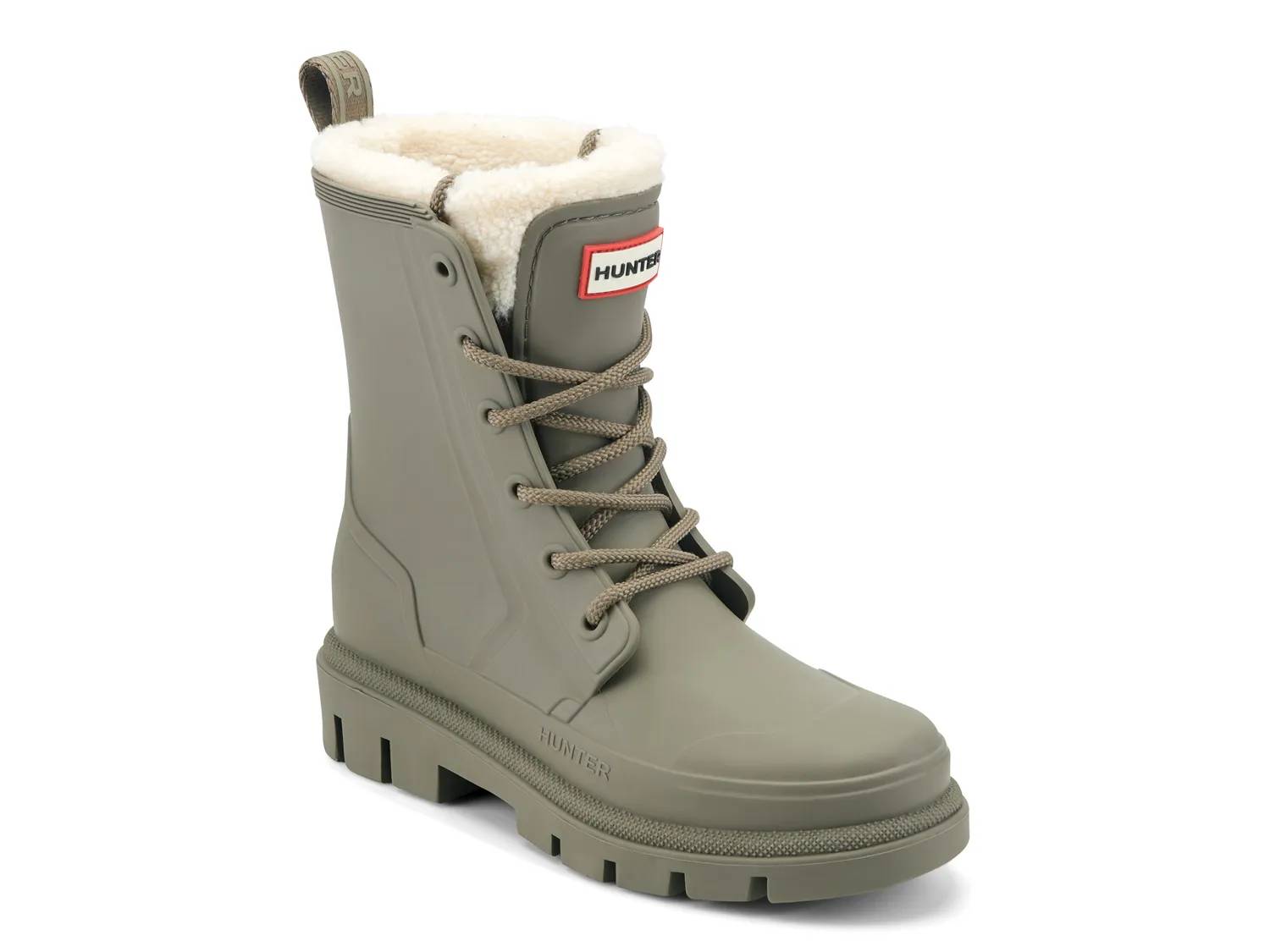
Basic rain boots aren't built to insulate against cold the way a winter boot is, so feet can get chilly in freezing temperatures even if they stay dry. For snow or extended cold exposure, an insulated or lined rain boot holds up better than a basic rubber shell.