
Running Shoe Buying Guide: How to Choose Running Shoes
A great run starts with the right pair of shoes. Whether you’ve been running for years or consider
yourself a beginner, we’ll show you what to look for in a sneaker to help you find the perfect style
for you.
How to Find the Best Running Shoes for You
The best running shoes provide comfort and stability that feels tailored to you. In other words: it’s
all about the right fit. Wherever, or however, you run, your athletic shoes and sneakers should
enhance your performance with the right fit and the best features (such as cushioning, stability, and
lightweight designs). Here are some questions to ask yourself when you’re shopping for running
shoes:
What is Your Pronation?
Okay, first: what is pronation? Pronation is the way your foot rolls inward naturally when it hits the ground. Most people land on their
heel when running, while some land more on the midfoot or forefoot. When you consider your pronation, the right shoes will provide the specific support you need.
Types of Pronation:
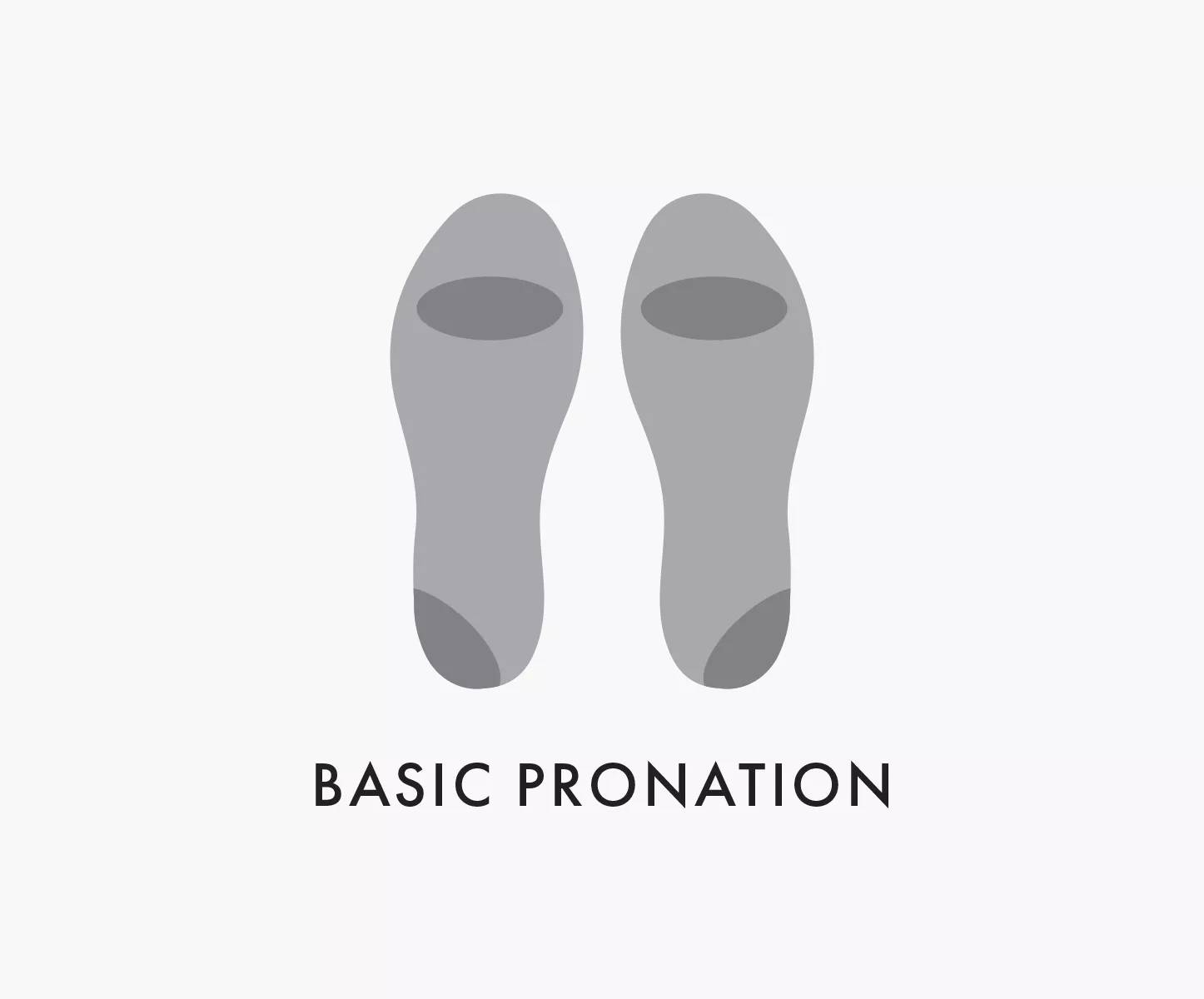
Neutral/Basic Pronation
This is when the middle or slightly outward part of your heel strikes the ground first and your foot rolls slightly inward (typically those with medium arches). For this type of pronation, the best type of running shoe is a neutral cushioning shoe that offers light structure for neutral runners.
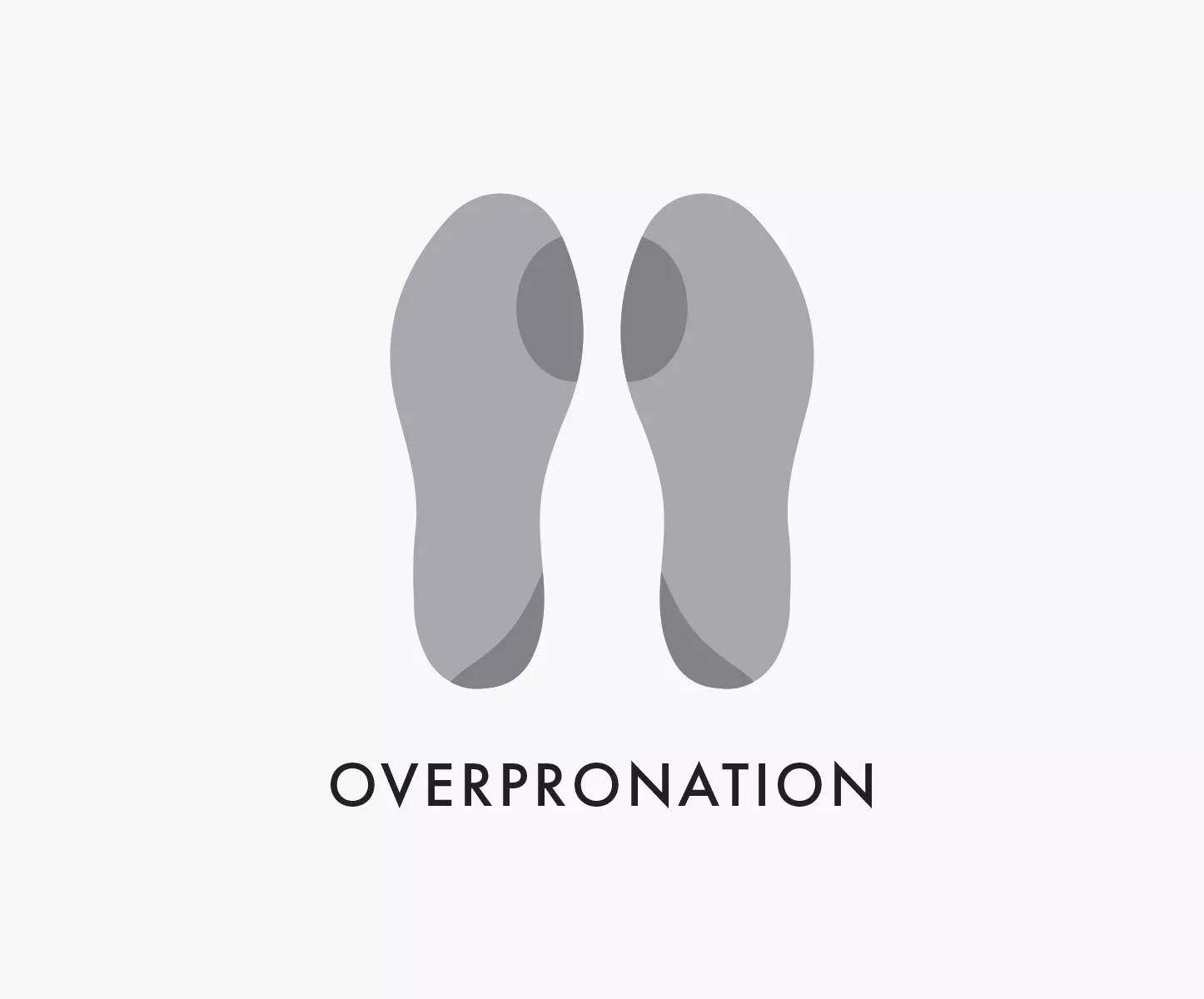
Mild Over- Pronation
This is when the outside of your heel strikes the ground first and your foot rolls inward, slightly absorbing the shock (typically those with low to medium arches). The best type of running shoe for this pronation level is a stability shoe, which can help control side- to- side motion.
Severe Over- Pronation
This is when your heel strikes the ground first and rolls inward excessively (typically those with low arches or flat feet). In this case, the ankle doesn’t have the ability to stabilize the body properly. The best type of running shoe for this pronation level is a motion- control shoe, which provides structured support.
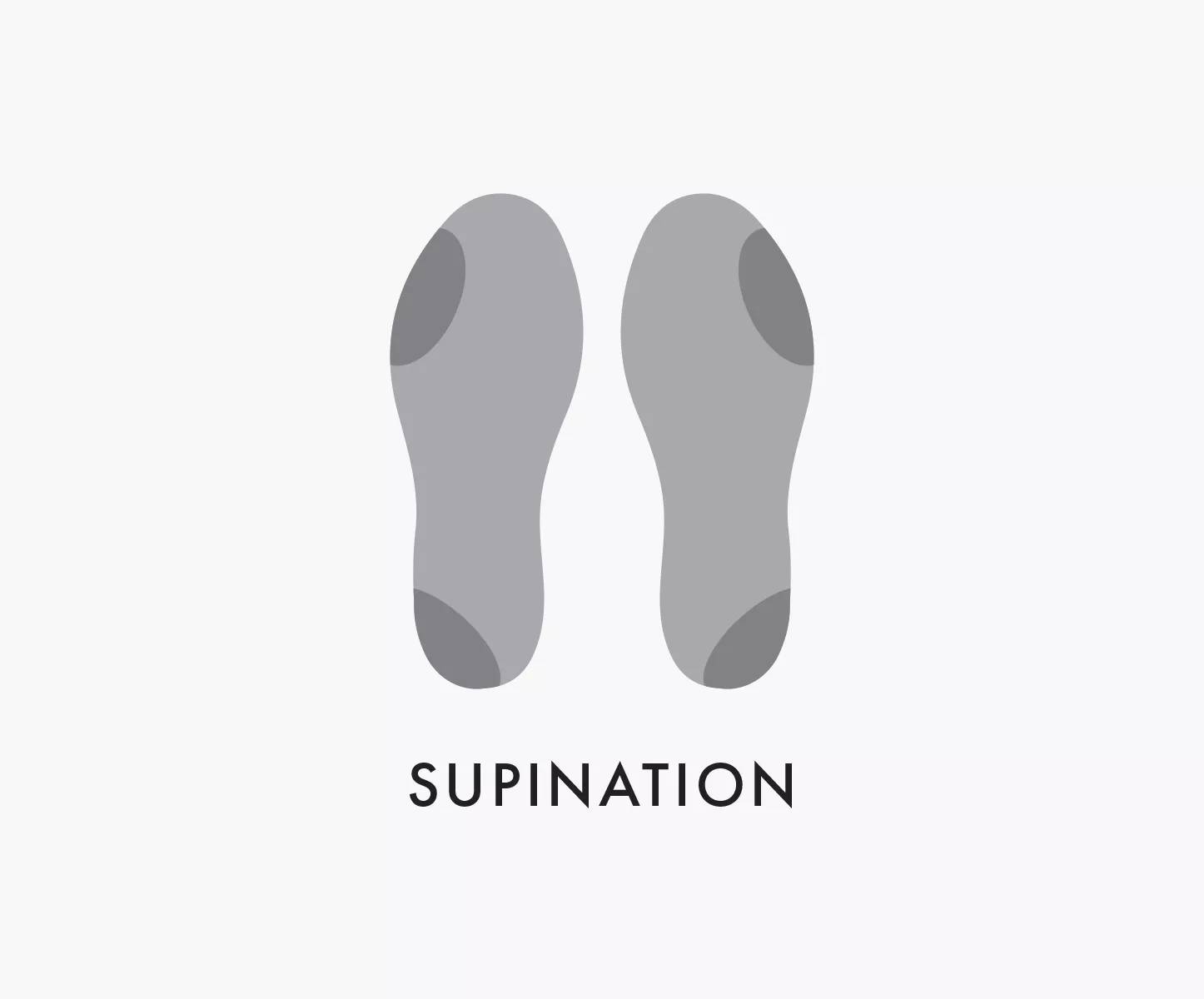
Under Pronation (Supination)
This is when your foot strikes the ground with the outside of the heel first and then stays on the outside throughout the entire strike. In this case, you’ll want more flexibility, which is why a neutral cushioning shoe is the best option.
What is Your Gait?
Your unique way of moving your body forward is called your gait, and understanding it can help you avoid future injuries or even determine the cause of an old one. Once you learn more about your running style and foot strike, you’ll be better able to identify what type of running shoe you need.
How to Analyze Your Gait:
During a gait analysis, a physical therapist or exercise physiologist will assess aspects of your running gait through direct observation or video. They’ll review everything from your running history to your body mechanics and foot placement. You can then use this personalized information to improve your running technique and lower your risk of injury.
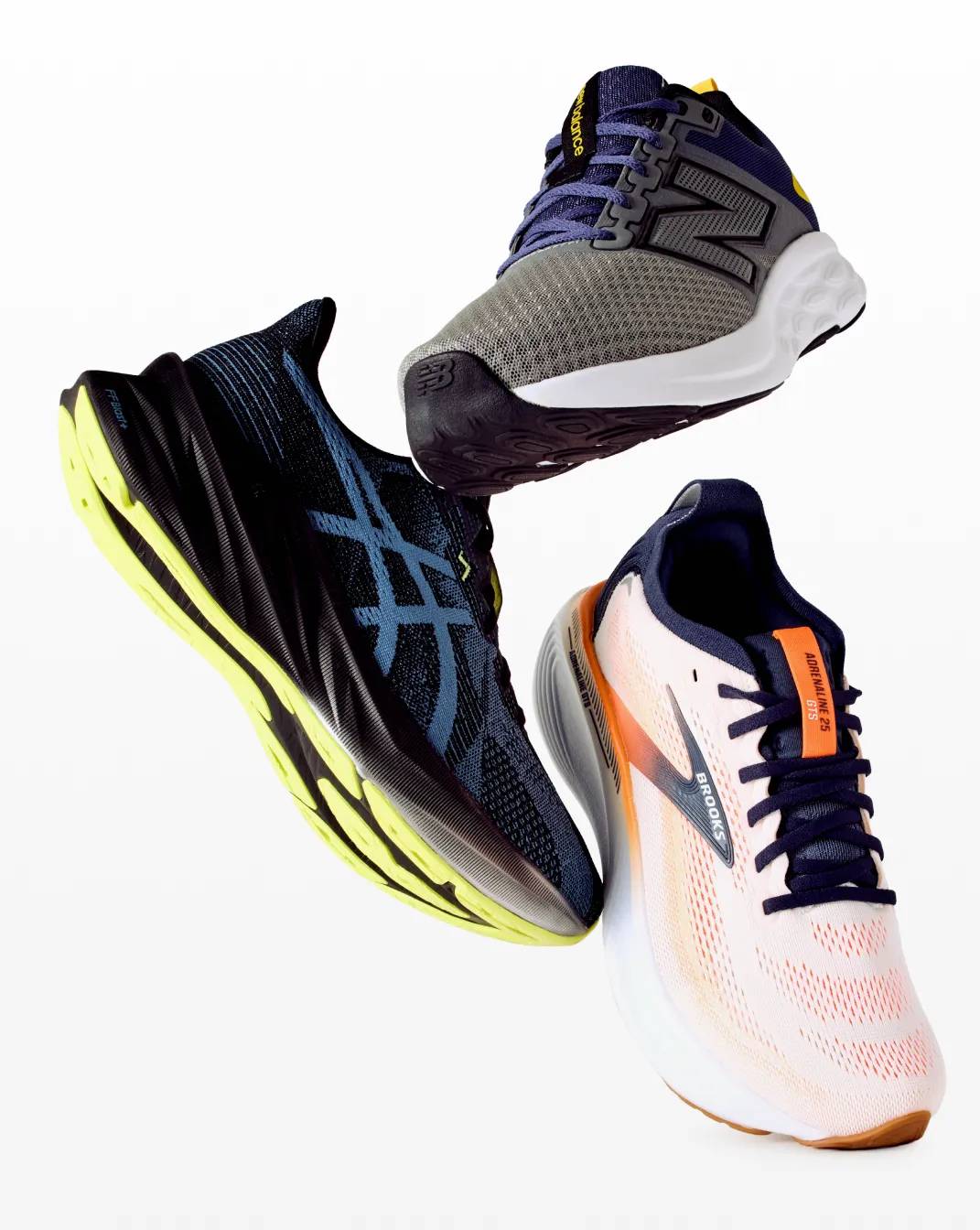
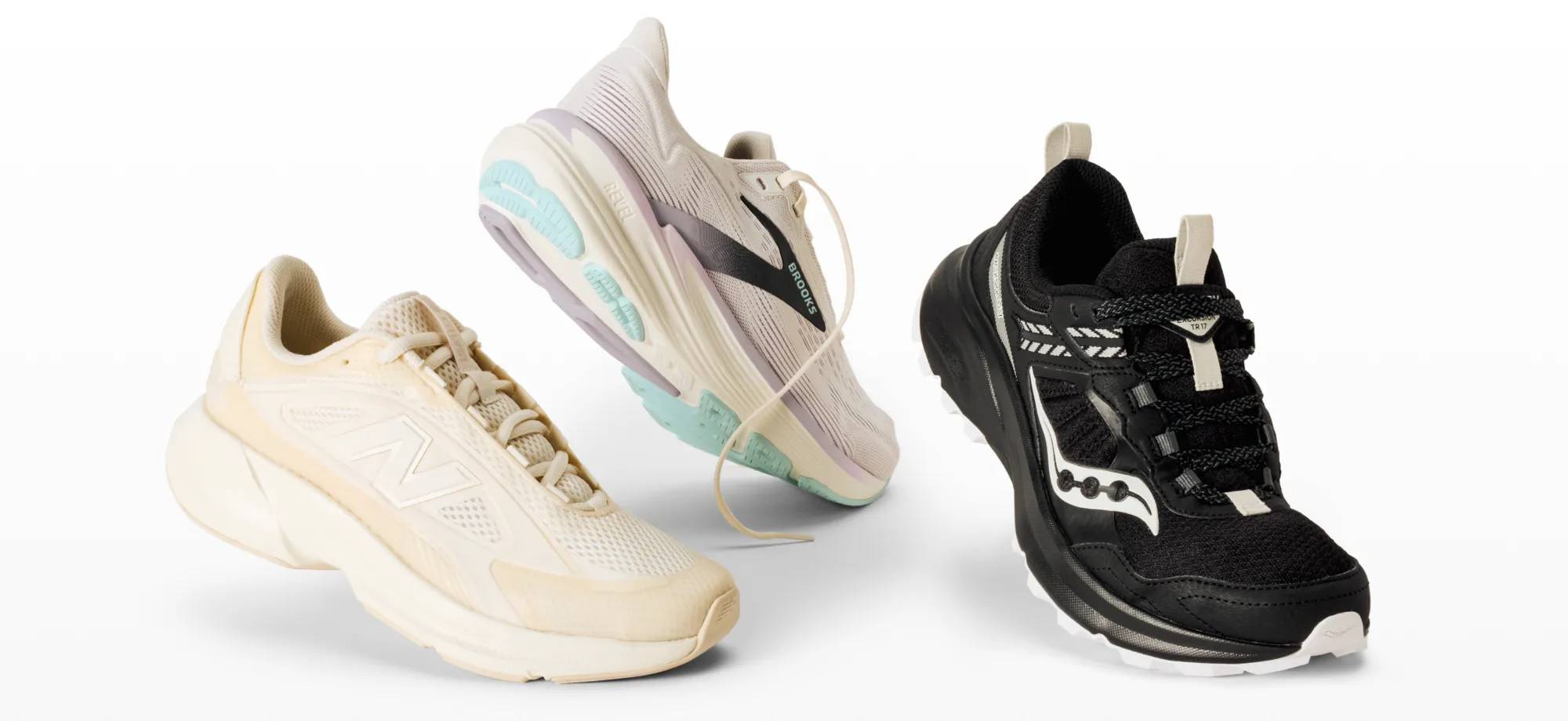
Stability Running Shoes

Neutral Running Shoes
Where Do You Run?
Running is not just about how you do it, but where you do it. The environment you run in also plays a role in determining the type of
running shoes you should buy. Your shoes and your body respond differently to where you are. For example, running on a treadmill is
different than running on an outdoor trail. Some shoes provide additional protection against the environment itself (like trail- running shoes), while others provide support that can counter a flatter surface.
Running Shoes for Trail Runners
If you are running outdoors on a trail, you’ll want trail- running shoes designed for off- road routes. These often have lugs on the bottom of the
shoe to provide better traction on dirt and rocks.
Running Shoes for Road Runners
If you’re a more traditional, everyday runner, you’ll want a light, flexible running shoe with a smoother sole. This type of shoe is best for people who run on pavement, tracks, or treadmills, as it cushions your feet during repetitive strides.
Types of Running Shoes
Running is not just about how you do it, but where you do it. Once you have determined your running pronation and gait, you can choose the right pair of women’s running shoes or men’s running shoes for you based on the level of support and control you need.
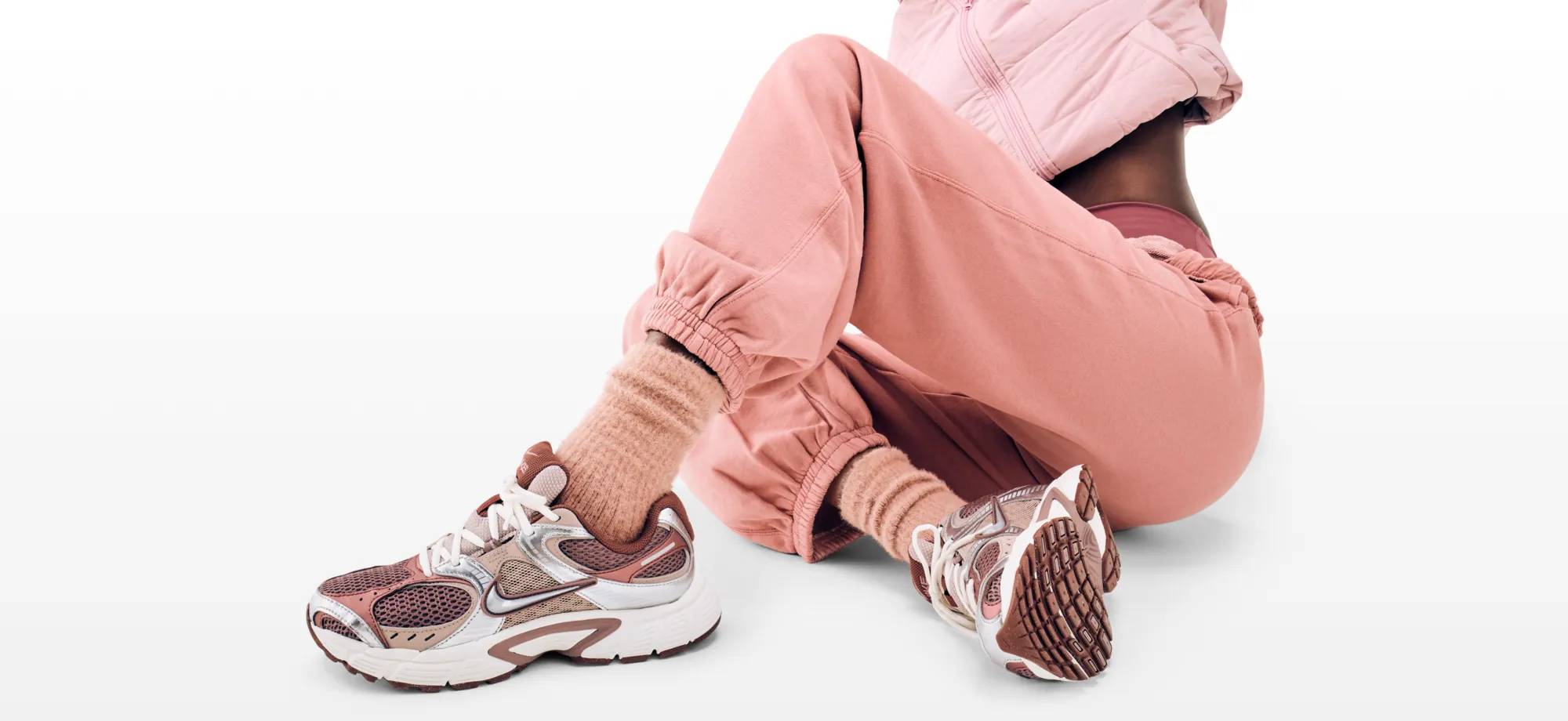
Motion-Control Running Shoes
These are best for runners who exhibit overpronation and have lower arches. The bottom of this type of shoe has a wide, straight shape. Motion-control shoes provide maximum support and offers the most control with a stiffer heel.
Stability Running Shoes
These are best for runners with a normal arch and slight pronation. Stability running shoes have a semi-curved shape on the bottom and often include guide rails to help control side-to-side motion.
Neutral-Cushioning Running Shoes
These are best for runners with a high arch or those who supinate (tend to roll their feet outward). Neutral cushioning shoes have the most curved shape are designed to absorb the impact that your foot does not absorb naturally.
How Long Should Running Shoes Last?
Wondering if it’s time for a new pair? A solid pair of running shoes should last for about 400 to 500 miles, which is around 3–4 months for regular runners. At this point, the cushioning will stop absorbing shock as well, which can impact your joints. Signs that you should replace your trusty running shoes include compressed or worn soles, heel damage, or new blisters.
Tips for Getting the Perfect Shoe Fit
1. Start with measuring your feet. This shoe size chart guide can help.
2. Try on shoes when you are most likely to actually run: feet can swell and shrink depending on time of day. Not sure when that is? trying on at the end of the day is your best bet, as feet tend to swell their largest by evening.
3. Look for how the shoes fits in key spots: the toebox, ankle collar, saddle/insole.